
 IN
INundefined
Buns & Pav
4 products available
𝗪𝗵𝗮𝘁 𝗮𝗿𝗲 𝗕𝘂𝗻𝘀 & 𝗣𝗮𝘃?
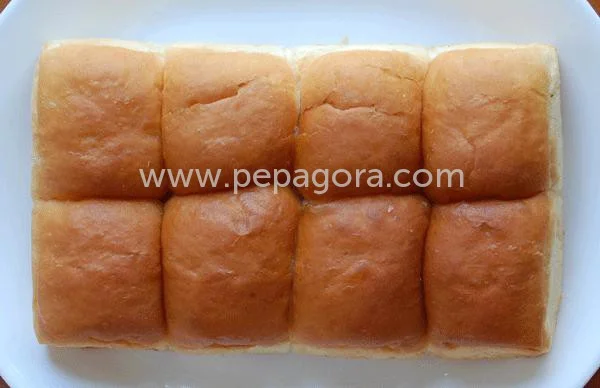
Buns and pav are types of soft bread rolls commonly used in various culinary applications. Buns are typically round and can be used for sandwiches, burgers, or served as a side with meals. Pav, originating from the Indian subcontinent, is a soft, pillowy bread roll often used in street food dishes like pav bhaji and vada pav. Both buns and pav are characterized by their light texture and versatility, making them a staple in many cuisines.
In the foodservice industry, buns and pav are essential ingredients for restaurants, cafes, and catering services. They serve as a base for a variety of dishes, appealing to both casual diners and gourmet food enthusiasts. Buns can be customized with different toppings and fillings, while pav is often paired with spiced gravies or fried snacks. As consumer preferences evolve, the demand for high-quality buns and pav continues to grow, emphasizing the need for suppliers who can meet the diverse requirements of the food market.
The relevance of buns and pav in the food industry is underscored by their adaptability and widespread popularity. As more consumers seek convenient and tasty meal options, the market for these products is expanding. Businesses that offer buns and pav can cater to various dietary preferences and culinary trends, thus positioning themselves favorably in a competitive landscape.
𝗞𝗲𝘆 𝗙𝗲𝗮𝘁𝘂𝗿𝗲𝘀 𝗮𝗻𝗱 𝗦𝗽𝗲𝗰𝗶𝗳𝗶𝗰𝗮𝘁𝗶𝗼𝗻𝘀
Buns and pav come with various specifications that influence their quality and usability in food preparation. Understanding these features helps buyers select the right products for their needs.
Key specifications include:
1. Texture
- Soft and airy to ensure a pleasant eating experience.
- Suitable for holding fillings without falling apart.
2. Size
- Available in various sizes, typically ranging from small (about 50 grams) to large (about 100 grams).
- Custom sizes can be requested based on client needs.
3. Shelf Life
- Typically lasts 2-3 days at room temperature.
- Extended shelf life options available through freezing.
4. Ingredients
- Made from wheat flour, yeast, sugar, and salt.
- May include additives for improved texture and freshness.
5. Nutritional Information
- Caloric content varies, generally around 200-300 calories per serving.
- Options available for whole wheat or gluten-free variants.
6. Packaging
- Available in bulk packaging for commercial use.
- Retail packaging options for smaller quantities.
7. Certifications
- Compliance with industry standards like CE for quality assurance.
- Adherence to local health and safety regulations.
8. Customization Options
- Ability to modify recipes based on dietary preferences.
- Potential for branding on packaging for commercial clients.
With these specifications in mind, businesses can make informed decisions when sourcing buns and pav to meet their operational needs.
𝗖𝗼𝗺𝗺𝗼𝗻 𝗔𝗽𝗽𝗹𝗶𝗰𝗮𝘁𝗶𝗼𝗻𝘀 𝗮𝗻𝗱 𝗨𝘀𝗲 𝗖𝗮𝘀𝗲𝘀
Buns and pav are used across a variety of industries, showcasing their versatility in culinary applications.
1. Food Service Industry: Buns are widely used in restaurants and cafes for burgers, sandwiches, and breakfast items. Their soft texture enhances the overall dining experience.
2. Catering Services: Pav is popular in catering for events, offering easy-to-eat options for guests. Dishes like pav bhaji can be served in large quantities, appealing to a wide audience.
3. Street Food Vendors: In many urban areas, pav is a staple for street food vendors serving traditional snacks. Its affordability and ease of preparation make it a favorite among customers.
4. Bakeries: Buns and pav are essential products for bakeries, often available fresh daily. Custom orders for events and celebrations are also common.
5. Food Manufacturers: Buns and pav can be included in packaged meal solutions, providing convenience for consumers looking for quick meal options.
6. Hospitality Sector: Hotels and resorts often feature buns and pav in buffets and room service menus, catering to diverse culinary preferences.
7. Retail: Grocery stores offer buns and pav in their bread sections, catering to home cooks and families looking for quick meal accompaniments.
𝗣𝗿𝗼𝗱𝘂𝗰𝘁 𝗩𝗮𝗿𝗶𝗮𝗻𝘁𝘀 𝗮𝗻𝗱 𝗦𝘂𝗯𝗰𝗮𝘁𝗲𝗴𝗼𝗿𝗶𝗲𝘀
Buns and pav come in various forms, allowing businesses to select the type that best fits their culinary needs.
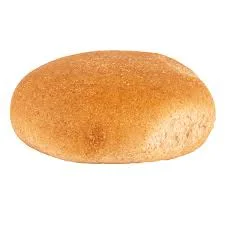
Classic Buns: These are traditional soft bread rolls, perfect for burgers and sandwiches. Their neutral flavor pairs well with a variety of fillings, making them a versatile choice for chefs.
Butter Pav: A rich variant, butter pav is made with added fats for a more indulgent taste. It is often used in upscale dining and is ideal for serving with rich gravies.
Whole Wheat Buns: For health-conscious consumers, whole wheat buns offer a nutritious alternative. They contain more fiber and nutrients, catering to the growing demand for healthier options.
Mini Buns: These smaller-sized buns are perfect for sliders and appetizers. They are popular in catering and events where bite-sized portions are preferred.
𝗕𝗲𝗻𝗲𝗳𝗶𝘁𝘀 𝗮𝗻𝗱 𝗔𝗱𝘃𝗮𝗻𝘁𝗮𝗴𝗲𝘀
Sourcing buns and pav provides numerous advantages for businesses in the food industry.
Key benefits include:
1. Versatility: Buns and pav can be used in various dishes, from casual snacks to gourmet meals, making them a staple in many kitchens.
2. Customization: Options for different sizes, flavors, and nutritional content allow businesses to tailor products to meet specific customer preferences.
3. Convenience: Pre-made buns and pav save time in food preparation, allowing chefs to focus on more complex aspects of meal creation.
4. Consistency: High-quality buns and pav ensure uniformity in taste and texture, essential for maintaining customer satisfaction.
5. Cost-Effectiveness: Bulk purchasing options can reduce costs for businesses, improving overall profit margins.
6. Easy Storage: With proper packaging and shelf life, buns and pav can be stored conveniently, minimizing waste and ensuring availability.
𝗕𝘂𝘆𝗶𝗻𝗴 𝗚𝘂𝗶𝗱𝗲 𝗳𝗼𝗿 𝗕𝟮𝗕 𝗕𝘂𝘆𝗲𝗿𝘀
When sourcing buns and pav, businesses should consider several important factors to ensure quality and reliability.
1. Quality Assessment: Look for products that meet industry standards, including texture, freshness, and ingredient quality. Conduct taste tests to verify product suitability.
2. Supplier Verification: Vet suppliers thoroughly by checking references and looking for certifications that indicate compliance with food safety standards.
3. Pricing and MOQ: Understand the pricing structure and minimum order quantities (MOQ) to align with budget constraints and operational needs.
4. Delivery and Lead Times: Assess suppliers' ability to meet delivery schedules to avoid disruptions in supply. Consider logistics for timely shipments.
5. Compliance Requirements: Ensure that products meet local and international regulatory standards, including health and safety regulations, to avoid legal issues.
𝗖𝗼𝗺𝗽𝗹𝗶𝗮𝗻𝗰𝗲 𝗮𝗻𝗱 𝗖𝗲𝗿𝘁𝗶𝗳𝗶𝗰𝗮𝘁𝗶𝗼𝗻𝘀
Compliance and certifications play a crucial role in the sourcing of buns and pav, ensuring products meet industry standards for quality and safety.
Relevant quality standards such as ISO 9001 and HACCP are essential for maintaining consistent quality in food production. These certifications demonstrate a commitment to quality management and food safety practices.
Industry certifications, like CE, indicate that the products conform to European health, safety, and environmental protection standards. This is particularly important for businesses that export goods or operate in multiple regions.
Safety and testing requirements should also be considered, including regular inspections and testing for contaminants. Suppliers must adhere to strict hygiene practices to ensure product safety.
Regional compliance considerations may vary, so it is vital for businesses to understand local regulations governing food products. This knowledge helps in selecting suppliers who are compliant with specific regional standards.
𝗪𝗵𝘆 𝗦𝗼𝘂𝗿𝗰𝗲 𝗕𝘂𝗻𝘀 & 𝗣𝗮𝘃 𝗳𝗿𝗼𝗺 𝗣𝗲𝗽𝗮𝗴𝗼𝗿𝗮?
Pepagora offers a reliable platform for sourcing buns and pav, ensuring businesses can access quality products with several key advantages.
Verified Supplier Network: Pepagora connects buyers with a network of verified suppliers, enhancing trust and reliability in sourcing decisions. Each supplier undergoes a thorough vetting process to ensure quality.
Streamlined RFQ Process: The request for quotation (RFQ) system simplifies the procurement process, allowing buyers to compare offers from multiple suppliers efficiently. This saves time and ensures the best pricing.
Trade Assurance and Support: Pepagora provides trade assurance to protect buyers, ensuring they receive products as described and on time. Customer support is available to address any concerns.
Regional Coverage: With a strong presence in India, the GCC, and Southeast Asia, Pepagora facilitates access to diverse suppliers. This broad geographic reach allows businesses to find products that meet their specific needs.
Newly Added




Recently Added
JM Breads Pvt Ltd
Frozen Chocolate Cake Eco Friendly Stocked Round Square
Bulk Black Forest Chocolate Butter Cake 1kg 6 Week Shelf Life
Premium Wholesale Birthday Cakes Bulk Supply For Bakeries
Alsafaa Food Products
Premium Confectionery Rusks: Crisp, Golden, Rich Flavor
Premium Milk Rusks For Buyers High Nutrition Tea Time Snack
Premium Soft Salt Bread For Food Service Bulk Supply
Why Businesses Trust Pepagora
Thousands of companies trust Pepagora to source smarter and sell faster
Expand Your Sales Globally
25000+Products listed.Get discovered by global buyers
Tools to boost visibility
Build your own catalog

Source Smarter,Grow Faster
4000+Active RFQs
100+ Countries served
Easy Sourcing Tools
