
 IN
INundefined
Brown Rice
3 products available
𝗪𝗵𝗮𝘁 𝗮𝗿𝗲 𝗕𝗿𝗼𝘄𝗻 𝗥𝗶𝗰𝗲?
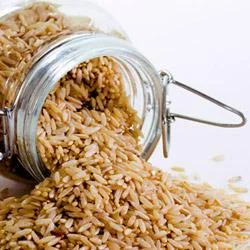
Brown rice is a whole grain rice that has had only the outer husk removed, leaving the bran and germ layers intact. This process preserves the nutritional value of the grain, making brown rice a healthier alternative to white rice. It is known for its chewy texture and nutty flavor, which makes it a popular choice among health-conscious consumers and culinary enthusiasts alike.
In the B2B context, brown rice is utilized in various sectors, including food service, health food production, and organic farming. It is often used as a staple grain in restaurants, prepared meal companies, and health-focused food products. Additionally, brown rice serves as a key ingredient in gluten-free products and can be found in a wide range of packaged goods, including cereals and snacks. The growing demand for healthier food options has increased the market relevance of brown rice, leading to a steady rise in its consumption across different industries.
As consumers become more health-conscious, the market for brown rice continues to expand. It holds significant potential for businesses looking to capitalize on the trend of whole grain consumption. This trend is further supported by health organizations promoting the benefits of whole grains, which include lower risks of chronic diseases and improved overall health.
𝗞𝗲𝘆 𝗙𝗲𝗮𝘁𝘂𝗿𝗲𝘀 𝗮𝗻𝗱 𝗦𝗽𝗲𝗰𝗶𝗳𝗶𝗰𝗮𝘁𝗶𝗼𝗻𝘀
Brown rice offers several key features that make it an appealing option for various applications. Its nutritional profile, flavor, and cooking properties contribute to its popularity.
Key specifications include:
1. Nutritional Content
- Rich in fiber, vitamins, and minerals
- Contains essential fatty acids and antioxidants
2. Cooking Time
- Typically takes 40-45 minutes to cook
- Requires a water-to-rice ratio of about 2:1
3. Shelf Life
- Generally has a shelf life of 6 months to 1 year when stored properly
- Should be kept in a cool, dry place to maintain freshness
4. Grain Length
- Available in short, medium, and long-grain varieties
- Affects texture and cooking characteristics
5. Color and Appearance
- Typically light to dark brown, depending on the variety
- Whole grain appearance with intact bran layer
6. Moisture Content
- Ideal moisture content ranges from 10% to 14%
- Affects storage and cooking quality
7. Taste Profile
- Earthy, nutty flavor that enhances dishes
- Pairs well with various cuisines
8. Health Benefits
- Supports digestive health and weight management
- Provides sustained energy due to its complex carbohydrates
In summary, brown rice is a versatile and nutritious grain with specific features that cater to both culinary and health-focused applications.
𝗖𝗼𝗺𝗺𝗼𝗻 𝗔𝗽𝗽𝗹𝗶𝗰𝗮𝘁𝗶𝗼𝗻𝘀 𝗮𝗻𝗱 𝗨𝘀𝗲 𝗖𝗮𝘀𝗲𝘀
Brown rice is widely used in various industries, reflecting its versatility and health benefits.
1. Food Service: Restaurants and catering businesses incorporate brown rice in salads, grain bowls, and as a side dish due to its nutritious value and appealing texture.
2. Health Food Production: Manufacturers of health foods utilize brown rice in products like gluten-free snacks, organic cereals, and health bars, tapping into the demand for whole grains.
3. Organic Farming: Brown rice is often grown under organic conditions, appealing to environmentally conscious consumers and reinforcing sustainable agricultural practices.
4. Bakery Products: Brown rice flour is used in gluten-free bakery items, providing a nutritious alternative to traditional flours.
5. Meal Prep Services: Companies offering meal prep solutions feature brown rice in their meal kits, promoting healthy eating habits among consumers.
6. Vegan and Vegetarian Cuisine: Many plant-based recipes use brown rice as a protein source and a filling ingredient, catering to the growing vegan market.
7. International Cuisine: Brown rice is a staple in numerous cultures, making it a key ingredient in various traditional dishes across the globe.
𝗣𝗿𝗼𝗱𝘂𝗰𝘁 𝗩𝗮𝗿𝗶𝗮𝗻𝘁𝘀 𝗮𝗻𝗱 𝗦𝘂𝗯𝗰𝗮𝘁𝗲𝗴𝗼𝗿𝗶𝗲𝘀
Brown rice is available in several variants, each with unique features and applications.
Long Grain Brown Rice: This variant has a slender shape and remains separate when cooked, making it ideal for pilafs and stir-fries. It is known for its fluffy texture and nutty flavor.
Medium Grain Brown Rice: With a shorter, wider grain, this variant has a creamy texture when cooked. It is often used in risottos and casseroles, enhancing the overall dish quality.
Short Grain Brown Rice: This type is plump and sticky when cooked, making it perfect for sushi and rice bowls. Its texture allows it to hold together well in various culinary applications.
𝗕𝗲𝗻𝗲𝗳𝗶𝘁𝘀 𝗮𝗻𝗱 𝗔𝗱𝘃𝗮𝗻𝘁𝗮𝗴𝗲𝘀
Brown rice provides several advantages that make it a superior choice for many businesses.
Key benefits include:
1. Nutritional Value: Brown rice is packed with essential nutrients, including fiber, vitamins, and minerals, making it a healthier option compared to white rice.
2. Versatility: It can be used in a wide range of dishes, from savory meals to sweet treats, allowing for diverse culinary applications.
3. Sustainability: Being a whole grain, brown rice supports sustainable farming practices and aligns with the growing demand for organic products.
4. Health Benefits: Consuming brown rice may lower the risk of chronic diseases, support digestion, and help in weight management due to its high fiber content.
5. Taste: The nutty flavor of brown rice enhances the taste of various dishes, appealing to consumers seeking flavorful and healthy options.
6. Growing Market Demand: As health trends shift towards whole grains, sourcing brown rice can tap into the expanding market for nutritious food products.
𝗕𝘂𝘆𝗶𝗻𝗴 𝗚𝘂𝗶𝗱𝗲 𝗳𝗼𝗿 𝗕𝟮𝗕 𝗕𝘂𝘆𝗲𝗿𝘀
When sourcing brown rice, several factors should be considered to ensure quality and suitability for your business needs.
1. Quality Assessment: Look for suppliers who provide detailed information on the nutritional content and sourcing practices of their brown rice. Quality certifications and lab testing results can also indicate the grain's quality.
2. Supplier Verification: Vet potential suppliers by checking references, reviewing their track record, and ensuring they comply with industry standards. This process helps ensure reliability and product integrity.
3. Pricing and MOQ: Understand the pricing structure and minimum order quantities (MOQs) offered by suppliers. This information is crucial for budgeting and aligning with operational needs.
4. Delivery and Lead Times: Assess the logistics involved in sourcing brown rice, including delivery times and shipping costs. Timely delivery is essential for maintaining inventory levels.
5. Compliance Requirements: Familiarize yourself with any regulatory requirements related to food safety and quality standards that apply to brown rice. This knowledge ensures compliance and helps avoid potential issues.
𝗖𝗼𝗺𝗽𝗹𝗶𝗮𝗻𝗰𝗲 𝗮𝗻𝗱 𝗖𝗲𝗿𝘁𝗶𝗳𝗶𝗰𝗮𝘁𝗶𝗼𝗻𝘀
Brown rice is subject to various quality standards and certifications that can influence its sourcing and marketability.
Compliance with quality standards such as ISO 9001 ensures that suppliers maintain high levels of quality management and operational efficiency. Adherence to HACCP (Hazard Analysis and Critical Control Points) principles is crucial for food safety, particularly in the food service and health food sectors.
Industry certifications like CE indicate that the product meets European safety standards, enhancing its credibility in international markets.
Additionally, safety and testing requirements may vary by region, necessitating that suppliers comply with local regulations to ensure their products are safe for consumption. Understanding these compliance factors is essential for B2B buyers to navigate the market effectively.
𝗪𝗵𝘆 𝗦𝗼𝘂𝗿𝗰𝗲 𝗕𝗿𝗼𝘄𝗻 𝗥𝗶𝗰𝗲 𝗳𝗿𝗼𝗺 𝗣𝗲𝗽𝗮𝗴𝗼𝗿𝗮?
Pepagora offers a reliable platform for sourcing brown rice, equipped with several key advantages for B2B buyers.
Verified Supplier Network: Pepagora ensures that all suppliers in its network are thoroughly vetted, providing buyers with confidence in the quality and safety of their products. This verification process helps mitigate risks associated with sourcing.
Streamlined RFQ Process: The platform facilitates a streamlined request for quotation (RFQ) process, allowing buyers to easily compare prices and quality among different suppliers. This efficiency in procurement helps businesses make informed purchasing decisions.
Trade Assurance and Support: Pepagora provides trade assurance, protecting buyers against potential issues with orders. Their dedicated support team is available to assist with any queries or concerns, ensuring a smooth buying experience.
Regional Coverage: With a strong presence in regions such as India, the GCC, and Southeast Asia, Pepagora connects buyers with local suppliers, making sourcing more accessible and efficient. This regional focus allows businesses to tap into local markets and meet customer demands effectively.
Newly Added


Recently Added
BMS Modern Rice Mill
Premium Idly Rice Short Grain For Authentic South Indian Dishes
Premium Ponni Raw Rice Diabetic Friendly Bulk Southern India
Premium BPT Rice Samba Masuri Aromatic Medium Grain
Mayur International
Premium Bangalore Rose Onions for Cooking Pickling Salads
Premium Bellary Onions For Food Processing And Export
Premium Podisu Onion For Sambar And Culinary Excellence
CHERISH FOODS IMPEX
Premium Sugandha Golden Sella Rice For Importers Bulk Supply
PR 14 Steam Rice Premium Soft White 100% Purity Bulk Supply
Premium Sella Golden Rice Parboiled Medium Grain 95% Purity Export
Ecki Exports
Organic Potatoes Fresh Round Low Solanine High Nutrition
Organic Cherry Tomatoes Fresh Hygienical Long Shelf Life
Fresh Brinjal Low Calorie High Fiber Premium Quality
Why Businesses Trust Pepagora
Thousands of companies trust Pepagora to source smarter and sell faster
Expand Your Sales Globally
25000+Products listed.Get discovered by global buyers
Tools to boost visibility
Build your own catalog

Source Smarter,Grow Faster
4000+Active RFQs
100+ Countries served
Easy Sourcing Tools
