
 IN
INundefined
Broiler Chicken
4 products available
𝗪𝗵𝗮𝘁 𝗮𝗿𝗲 𝗕𝗿𝗼𝗶𝗹𝗲𝗿 𝗖𝗵𝗶𝗰𝗸𝗲𝗻?
Broiler chickens are a specific breed of chicken raised primarily for meat production. These birds are known for their rapid growth and efficient feed conversion, making them an essential component of the poultry industry. Typically, broilers are processed for consumption at around six to eight weeks of age, at which point they reach an optimal weight for market.
The primary uses of broiler chickens extend to various sectors within the food industry, including restaurants, grocery stores, and food processing companies. They serve as a primary protein source in many diets around the world. The demand for broiler chicken continues to grow due to its affordability, versatility, and the increasing popularity of poultry over red meat. This trend positions broiler chickens as a pivotal player in the global agricultural market.
As the poultry industry evolves, broiler chickens remain relevant due to advances in breeding, feeding practices, and health management. These innovations enhance productivity and sustainability, addressing the growing need for food security. With the global population on the rise, broiler chickens are expected to play a critical role in meeting protein demands in various markets.
𝗞𝗲𝘆 𝗙𝗲𝗮𝘁𝘂𝗿𝗲𝘀 𝗮𝗻𝗱 𝗦𝗽𝗲𝗰𝗶𝗳𝗶𝗰𝗮𝘁𝗶𝗼𝗻𝘀
Broiler chickens are characterized by several key features and specifications that define their production and quality. Understanding these specifications is crucial for businesses involved in poultry supply and distribution.
Key specifications include:
1. Growth Rate
- Broiler chickens typically reach market weight in six to eight weeks.
- Average weight at processing is between 2.0 to 2.5 kg.
2. Feed Conversion Ratio
- Efficient feed conversion is a hallmark of broiler chickens.
- The average feed conversion ratio is around 1.5 to 1.8 kg of feed per kg of live weight.
3. Meat Quality
- Broiler chickens are known for their tender and juicy meat.
- Meat grading often ranges from A to C based on quality attributes.
4. Disease Resistance
- Modern breeding practices enhance disease resistance in broiler chickens.
- Vaccination and biosecurity measures are critical to maintaining health.
5. Nutritional Content
- Broiler meat is a rich source of protein, vitamins, and minerals.
- Nutritional profiles can be influenced by diet and feeding practices.
6. Carcass Yield
- The average carcass yield for broiler chickens is approximately 70-75%.
- Yield can vary based on breed and rearing conditions.
7. Environmental Adaptability
- Broiler chickens can adapt to various climatic conditions.
- Temperature and humidity control are vital for optimal growth.
8. Processing Standards
- Compliance with food safety standards is essential in processing.
- Industry standards often include CE certification for quality assurance.
In summary, the specifications of broiler chickens highlight their efficiency and quality, making them a preferred choice in the poultry market.
𝗖𝗼𝗺𝗺𝗼𝗻 𝗔𝗽𝗽𝗹𝗶𝗰𝗮𝘁𝗶𝗼𝗻𝘀 𝗮𝗻𝗱 𝗨𝘀𝗲 𝗖𝗮𝘀𝗲𝘀
Broiler chickens serve a variety of industries and applications, reflecting their versatility as a food source.
1. Food Service Industry: Restaurants and catering services frequently utilize broiler chickens for menu items like roasted chicken, fried chicken, and chicken dishes in various cuisines.
2. Retail Sector: Grocery stores and supermarkets offer fresh and frozen broiler chicken to consumers, catering to the growing demand for convenient meal options.
3. Food Processing: Broiler chickens are a primary ingredient in processed foods, including ready-to-eat meals, chicken nuggets, and canned chicken products.
4. Export Markets: Countries with high poultry production often export broiler chicken to meet international demand, contributing to global food supply chains.
5. Institutional Catering: Hospitals, schools, and other institutions rely on broiler chicken for nutritious meal offerings, emphasizing health and dietary needs.
6. Pet Food Industry: Some businesses incorporate broiler chicken in pet food formulations, providing a protein source for pet diets.
7. Organic and Free-Range Markets: There is a growing trend towards organic and free-range broiler chickens, appealing to health-conscious consumers seeking higher welfare standards.
𝗣𝗿𝗼𝗱𝘂𝗰𝘁 𝗩𝗮𝗿𝗶𝗮𝗻𝘁𝘀 𝗮𝗻𝗱 𝗦𝘂𝗯𝗰𝗮𝘁𝗲𝗴𝗼𝗿𝗶𝗲𝘀
Broiler chickens exhibit diversity in terms of breed and production type, catering to different market demands.
Conventional Broiler Chicken
This variant is raised in traditional farming systems focused on maximizing growth and feed efficiency. Conventional broilers are widely available and commonly used in food service and retail.
Organic Broiler Chicken
Organic broiler chickens are raised without synthetic pesticides or genetically modified organisms. They are often fed organic feed and have access to outdoor environments, appealing to health-conscious consumers.
Free-Range Broiler Chicken
Free-range broilers are allowed to roam outdoors, which can impact their growth rate and meat texture. This variant is preferred by consumers seeking higher welfare standards and more natural farming practices.
𝗕𝗲𝗻𝗲𝗳𝗶𝘁𝘀 𝗮𝗻𝗱 𝗔𝗱𝘃𝗮𝗻𝘁𝗮𝗴𝗲𝘀
Sourcing broiler chicken offers several benefits for businesses in the food industry.
1. Cost-Effectiveness: Broiler chickens provide a low-cost protein option, making them an economical choice for consumers and businesses alike.
2. Versatility: Broiler chicken can be prepared in numerous ways, appealing to a wide range of culinary preferences and applications.
3. Rapid Production: The quick growth cycle of broiler chickens allows businesses to respond swiftly to market demand and supply needs.
4. Nutritional Value: Broiler chicken is a high-quality source of protein, essential for balanced diets in various consumer segments.
5. Sustainability Potential: With advancements in breeding and farming practices, broiler chicken production can be more sustainable, reducing environmental impact.
6. Consistent Supply: The capacity for large-scale production ensures a steady supply of broiler chicken, essential for businesses reliant on this protein source.
𝗕𝘂𝘆𝗶𝗻𝗴 𝗚𝘂𝗶𝗱𝗲 𝗳𝗼𝗿 𝗕𝟮𝗕 𝗕𝘂𝘆𝗲𝗿𝘀
When sourcing broiler chicken, it is essential for B2B buyers to consider various factors to ensure quality and reliability.
1. Quality Assessment: Buyers should evaluate the quality of broiler chicken based on grading, appearance, and freshness. It's important to inspect for any signs of spoilage or contamination.
2. Supplier Verification: Vetting suppliers is crucial to ensure they adhere to industry standards and regulations. Buyers should look for certifications and reviews from previous customers.
3. Pricing and MOQ: Understanding pricing structures and minimum order quantities can help buyers negotiate better deals and manage budget expectations.
4. Delivery and Lead Times: Logistics play a key role in sourcing. Buyers should inquire about delivery schedules and lead times to ensure timely availability of products.
5. Compliance Requirements: Being aware of regulatory needs, including food safety standards and certifications, is vital for ensuring that products meet market requirements.
𝗖𝗼𝗺𝗽𝗹𝗶𝗮𝗻𝗰𝗲 𝗮𝗻𝗱 𝗖𝗲𝗿𝘁𝗶𝗳𝗶𝗰𝗮𝘁𝗶𝗼𝗻𝘀
Compliance with relevant quality standards and certifications is essential for broiler chicken producers and suppliers.
ISO 9001: This standard ensures quality management systems are in place, promoting consistency in production and service delivery.
HACCP: The Hazard Analysis Critical Control Point system is a preventive approach to food safety that identifies potential hazards in the production process, ensuring food safety.
CE Certification: This certification indicates that the broiler chicken meets EU safety, health, and environmental protection requirements, which can enhance marketability in European markets.
Safety and testing requirements are critical in ensuring that broiler chicken products are safe for consumption. Regular testing for pathogens and contaminants is essential to uphold quality.
Regional compliance considerations may vary, so producers must stay informed about local regulations governing poultry production and sale to ensure compliance and avoid penalties.
𝗪𝗵𝘆 𝗦𝗼𝘂𝗿𝗰𝗲 𝗕𝗿𝗼𝗶𝗹𝗲𝗿 𝗖𝗵𝗶𝗰𝗸𝗲𝗻 𝗳𝗿𝗼𝗺 𝗣𝗲𝗽𝗮𝗴𝗼𝗿𝗮?
Pepagora provides a trusted platform for sourcing broiler chicken, offering several advantages for B2B buyers.
Verified Supplier Network: Pepagora connects buyers with a network of verified suppliers, ensuring that they can source high-quality broiler chicken from reputable producers. This network enhances trust and reliability in sourcing.
Streamlined RFQ Process: The request for quotation system at Pepagora simplifies the procurement process. Buyers can easily compare quotes from multiple suppliers, ensuring they get the best prices and terms.
Trade Assurance and Support: Pepagora offers trade assurance and support services to protect buyers throughout the sourcing process. This ensures that transactions are secure and that buyers receive the products they expect.
Regional Coverage: With a strong presence in India, the GCC, and Southeast Asia, Pepagora provides extensive geographic reach, making it easier for businesses to source broiler chicken from various regions and meet their specific market needs.
Newly Added


Recently Added
Anjappar Chettinad Restaurant
Chettinad Mutton Bone Soup Concentrate For Hotels Catering
Bulk Chicken Dum Biryani Slow Cooked Authentic Spices
Premium Pista Ice Cream For Hotels And Catering Services
Al Lazeez Export  Private Limited
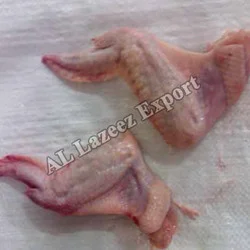
Frozen Chicken Wing Tips For Food Industry Stock And Processed Foods
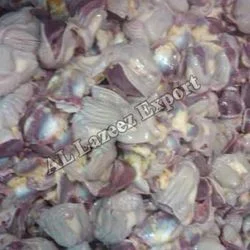
Premium Chicken Gizzards Fresh Cut For Culinary Use
Premium Buffalo Halal Meat Silver Side Lean Cut
Aahar Vihar Hotels Private Limited
Premium Baby Corn Chilly High Quality Bulk Supply
Outdoor Catering Services For Events And Gatherings In Delhi
Outdoor Catering Services For Events Weddings Large Gatherings Delhi
KVR Industries
Commercial Soft Serve Ice Cream Machine For High Volume Dessert Production
Commercial Automatic Softy Ice Cream Machine For Cafes & Dessert Shops
Commercial Electric Softy Ice Cream Machine with Night Mode for Continuous Operation
Why Businesses Trust Pepagora
Thousands of companies trust Pepagora to source smarter and sell faster
Expand Your Sales Globally
25000+Products listed.Get discovered by global buyers
Tools to boost visibility
Build your own catalog

Source Smarter,Grow Faster
4000+Active RFQs
100+ Countries served
Easy Sourcing Tools
