
 IN
INundefined
Brinjal (Eggplant)
6 products available
What are Brinjal (Eggplant)?
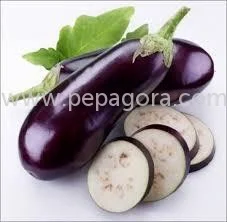
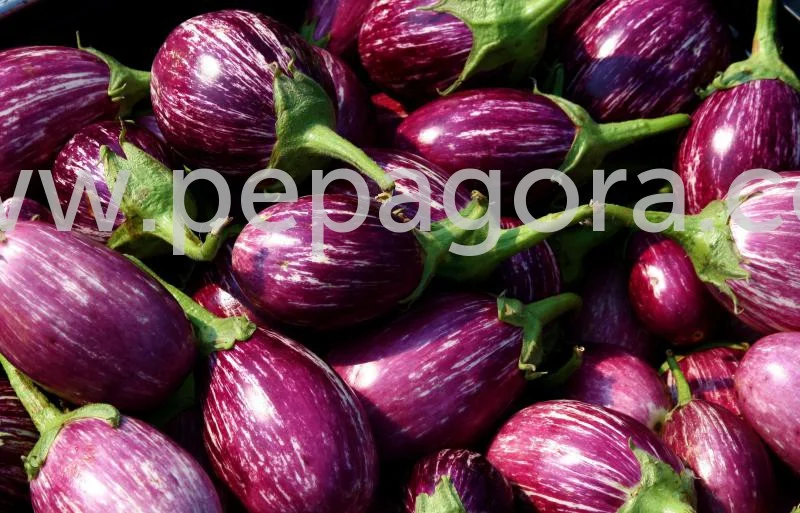
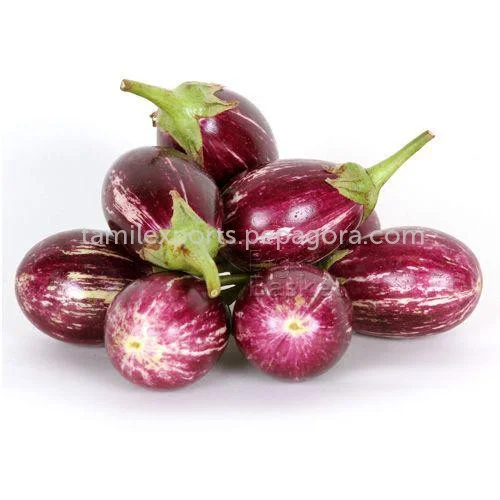
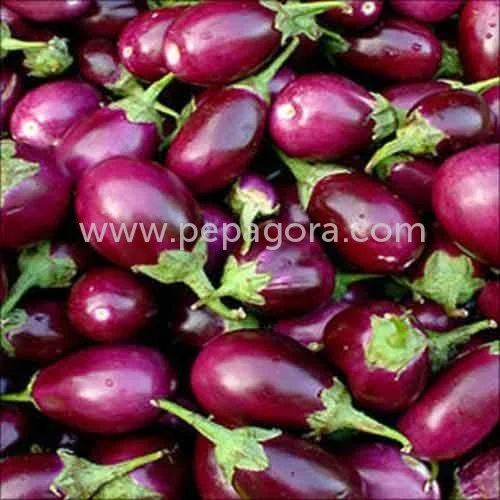
Brinjal, commonly known as eggplant, is a member of the nightshade family, scientifically referred to as Solanum melongena. It is characterized by its glossy skin, which can vary in color from deep purple to white, and its unique shape that can be elongated or round. Brinjal is cultivated in various regions around the world, thriving in warm climates. It is valued not only for its culinary versatility but also for its nutritional benefits, including being low in calories and rich in fiber, vitamins, and antioxidants.
In the realm of business applications, brinjal serves multiple sectors, particularly in the food industry. It is a staple in many cuisines and is utilized in diverse culinary preparations, from curries to stir-fries. Furthermore, brinjal is used in the production of processed food products, contributing to the shelf life and flavor profiles of sauces and dips. The growing demand for healthy food options has positioned brinjal as an important crop in agricultural markets, making it a relevant product for suppliers and distributors.
𝗞𝗲𝘆 𝗙𝗲𝗮𝘁𝘂𝗿𝗲𝘀 𝗮𝗻𝗱 𝗦𝗽𝗲𝗰𝗶𝗳𝗶𝗰𝗮𝘁𝗶𝗼𝗻𝘀
Brinjal offers a variety of features that make it appealing to businesses in the food sector. Its diverse culinary applications, nutritional profile, and ability to adapt to various growing conditions are just a few advantages.
Key specifications include:
1. Size and Shape
- Varieties range from small, round eggplants to large, elongated ones.
- Common sizes are typically 5 to 12 inches in length.
2. Color Variations
- Available in multiple colors including purple, white, and green.
- The skin texture can be smooth or slightly ribbed.
3. Nutritional Content
- Low in calories with approximately 20 calories per 100 grams.
- Contains dietary fiber, vitamins B1, B6, C, and potassium.
4. Shelf Life
- Fresh brinjal can last between 7 to 14 days under proper refrigeration.
- Dried or processed variants can have an extended shelf life.
5. Harvesting Season
- Typically harvested in warm seasons with peak seasons varying by region.
6. Environmental Conditions
- Grows best in well-drained soil with moderate humidity.
- Optimal temperature range for growth is between 20 to 30 degrees Celsius.
7. Agricultural Practices
- Requires regular water supply and pest management.
- Can be grown in greenhouses or open fields.
8. Market Availability
- Fresh brinjal is available year-round, with peak supply in summer.
Brinjal's robust features make it a versatile product for various applications, ensuring its relevance in the agricultural and food sectors.
𝗖𝗼𝗺𝗺𝗼𝗻 𝗔𝗽𝗽𝗹𝗶𝗰𝗮𝘁𝗶𝗼𝗻𝘀 𝗮𝗻𝗱 𝗨𝘀𝗲 𝗖𝗮𝘀𝗲𝘀
Brinjal is a highly versatile vegetable with applications across various industries.
1. Food Industry: Brinjal is used in a wide range of dishes, from traditional curries to modern gourmet meals. It is a favorite in vegetarian and vegan cuisines due to its texture and ability to absorb flavors.
2. Processed Foods: Brinjal is incorporated into sauces, dips, and frozen food products. Its ability to blend well with other ingredients enhances the overall taste and nutritional value.
3. Nutraceuticals: The antioxidant properties of brinjal are utilized in dietary supplements aimed at promoting health and wellness.
4. Agriculture: Brinjal serves as a valuable crop for farmers, contributing to food security and economic stability in many regions.
5. Culinary Education: Brinjal is often featured in cooking classes and culinary schools, teaching students about its versatility and nutritional benefits.
6. Export Markets: Countries producing brinjal often export it to international markets, capitalizing on the growing global demand for fresh vegetables.
7. Organic Farming: The rise in organic food consumption has led to increased cultivation of brinjal in organic farms, appealing to health-conscious consumers.
𝗣𝗿𝗼𝗱𝘂𝗰𝘁 𝗩𝗮𝗿𝗶𝗮𝗻𝘁𝘀 𝗮𝗻𝗱 𝗦𝘂𝗯𝗰𝗮𝘁𝗲𝗴𝗼𝗿𝗶𝗲𝘀
Brinjal comes in various variants, each offering unique characteristics and applications.
Black Brinjal: This variant is known for its deep purple color and smooth skin. It is commonly used in Indian and Mediterranean cuisines, prized for its rich flavor and texture.
White Brinjal: This variant has a milder flavor than its purple counterpart. It is often used in salads and light dishes, appealing to those looking for a different taste profile.
Thai Brinjal: Smaller and rounder, Thai brinjal is typically used in Southeast Asian dishes. It adds a unique crunch and is often included in curries and salads.
Chinese Brinjal: This variant is longer and has a thinner skin. It is popular in stir-fry dishes and is known for its tender flesh.
𝗕𝗲𝗻𝗲𝗳𝗶𝘁𝘀 𝗮𝗻𝗱 𝗔𝗱𝘃𝗮𝗻𝘁𝗮𝗴𝗲𝘀
Brinjal offers numerous benefits that make it a valuable product for various stakeholders.
1. Nutritional Value: Brinjal is rich in antioxidants and vitamins, making it a healthy addition to diets.
2. Culinary Versatility: Its ability to be used in a variety of dishes enhances its appeal to restaurants and food manufacturers.
3. Economic Growth: Brinjal cultivation supports local economies and provides income for farmers and suppliers.
4. Low-Calorie Option: As a low-calorie vegetable, brinjal is popular among health-conscious consumers, promoting weight management.
5. Sustainable Farming: Brinjal can be grown in diverse agricultural settings, supporting sustainable farming practices.
6. Export Potential: The global demand for brinjal presents substantial opportunities for exporters, expanding market reach.
𝗕𝘂𝘆𝗶𝗻𝗴 𝗚𝘂𝗶𝗱𝗲 𝗳𝗼𝗿 𝗕𝟮𝗕 𝗕𝘂𝘆𝗲𝗿𝘀
When sourcing Brinjal (Eggplant), it is essential to consider several factors to ensure a successful procurement process.
1. Quality Assessment: Evaluate the freshness, size, and appearance of the brinjal. Look for vibrant colors and firm texture as indicators of quality.
2. Supplier Verification: Conduct due diligence on potential suppliers. Check for certifications and customer reviews to ensure reliability.
3. Pricing and MOQ: Understand the market pricing for brinjal and inquire about minimum order quantities to align with your purchasing capabilities.
4. Delivery and Lead Times: Discuss logistics with suppliers to determine lead times and delivery capabilities, ensuring timely availability.
5. Compliance Requirements: Be aware of regional regulations regarding food safety and quality standards to ensure compliance with local laws.
𝗖𝗼𝗺𝗽𝗹𝗶𝗮𝗻𝗰𝗲 𝗮𝗻𝗱 𝗖𝗲𝗿𝘁𝗶𝗳𝗶𝗰𝗮𝘁𝗶𝗼𝗻𝘀
Brinjal is subject to various quality standards and certifications that ensure its safety and quality in the market.
Relevant quality standards such as ISO 9001 and HACCP are crucial for ensuring consistency and safety in food production. These standards help maintain quality control throughout the supply chain, from cultivation to distribution.
Industry certifications, including CE, may apply depending on the region and specific product applications. These certifications assure buyers of adherence to safety and quality benchmarks.
Safety and testing requirements are also vital for brinjal, ensuring that the product is free from harmful pesticides and contaminants. Regular testing practices help maintain consumer trust and product integrity.
Finally, regional compliance considerations may vary, so it is essential for suppliers to stay informed about local regulations governing agricultural products, ensuring all necessary certifications are in place.
Why Source Brinjal (Eggplant) from Pepagora?
Pepagora provides a trusted platform for sourcing Brinjal (Eggplant), offering several key advantages to buyers.
Verified Supplier Network: Pepagora ensures that all suppliers are thoroughly vetted, providing buyers with confidence in the quality and reliability of their sourced products.
Streamlined RFQ Process: The platform offers a straightforward request for quotation system, making it easy for buyers to compare prices and terms from multiple suppliers efficiently.
Trade Assurance and Support: Pepagora offers buyer protection services, ensuring that transactions are secure and that buyers receive the products as specified.
Regional Coverage: With a broad geographic reach across India, the GCC, and Southeast Asia, Pepagora connects buyers with local suppliers, enhancing accessibility and reducing logistical challenges.
By choosing Pepagora, businesses can streamline their sourcing process for brinjal, ensuring they acquire high-quality products while benefiting from a supportive network.
Newly Added


Recently Added
Vel Exports
Organic Fresh Small Cucumbers Non Peeled Green Fully Mature
Premium Organic Fresh Tomatoes Rich Flavor Long Shelf Life
Premium Organic Fresh Young Ginger Root For Food Beverage Health
Sunrise Exports
Bulk Organic Fresh Onions High Flavonoids Iron 100% Mature
Bulk Organic Fresh Young Ginger Root For Health
Premium Coriander Seeds Dried Blended For Food Processing
Ashtavinayak International
Export Premium Kesar Mango Fresh Food Grade 95% Maturity
Fresh Raw Peanut Bulk Supply For Cooking And Snacks
Premium Indian Spices For Food Manufacturing And Retail
Tamil Exports
Bulk Organic Potatoes Fresh Hygienic High Grade
Organic Fresh Sliced Carrots Hygienical Processed Long Shelf Life
Bulk Organic Fresh Young Ginger Root For Health And Food Processing
PASKEY Farm Pvt Ltd
Industrial Evaporated Milk Sterilized Vacuum Pack QS Certified
Premium Bulk Loose Green Tea Stir Fried High Quality For
Organic Fresh Carrots Sliced Root Premium Quality
Ecki Exports
Organic Potatoes Fresh Round Low Solanine High Nutrition
Organic Cherry Tomatoes Fresh Hygienical Long Shelf Life
Fresh Brinjal Low Calorie High Fiber Premium Quality
Why Businesses Trust Pepagora
Thousands of companies trust Pepagora to source smarter and sell faster
Expand Your Sales Globally
25000+Products listed.Get discovered by global buyers
Tools to boost visibility
Build your own catalog

Source Smarter,Grow Faster
4000+Active RFQs
100+ Countries served
Easy Sourcing Tools
