
 IN
INundefined
Bread Slicers
6 products available
𝗪𝗵𝗮𝘁 𝗮𝗿𝗲 𝗕𝗿𝗲𝗮𝗱 𝗦𝗹𝗶𝗰𝗲𝗿𝘀?
Bread slicers are specialized machines designed to cut loaves of bread into uniform slices with precision and efficiency. These machines streamline the slicing process, providing consistent results that are difficult to achieve manually. They are essential in commercial baking environments, where speed and accuracy are critical for meeting customer demands.
The primary use of bread slicers is found in bakeries, restaurants, and food service operations. They are utilized for slicing various types of bread, including loaves, rolls, and specialty breads. By offering consistent slice thickness, bread slicers help maintain portion control and enhance presentation for customers. In a competitive market, the ability to quickly produce evenly sliced bread can significantly improve operational efficiency and customer satisfaction.
In the context of the industrial baking sector, bread slicers are highly relevant. The growing demand for ready-to-eat products and the rise of artisan bread have increased the need for high-quality slicing solutions. As more businesses seek to improve their production capabilities, the market for bread slicers continues to expand, driven by innovations in technology and design.
𝗞𝗲𝘆 𝗙𝗲𝗮𝘁𝘂𝗿𝗲𝘀 𝗮𝗻𝗱 𝗦𝗽𝗲𝗰𝗶𝗳𝗶𝗰𝗮𝘁𝗶𝗼𝗻𝘀
Bread slicers come with a variety of features and specifications that cater to the needs of different businesses. These features enhance functionality, safety, and ease of use, making them essential tools in any commercial kitchen.
Key specifications include:
1. Cutting Capacity
- The number of loaves that can be sliced per hour.
- Typically ranges from 300 to 1,500 loaves depending on the model.
2. Slice Thickness Adjustment
- Allows operators to customize slice thickness according to product requirements.
- Standard thickness options usually range from 0.5 to 2 inches.
3. Knife Material
- High-quality stainless steel is commonly used for durability and precision.
- Some models offer serrated or straight knife options.
4. Safety Features
- Emergency stop buttons and blade guards to ensure operator safety.
- Compliance with industry safety standards.
5. Dimensions
- Size specifications that determine the space required for installation.
- Commonly, models range from compact units to larger industrial machines.
6. Power Supply
- Typically operated with electric motors.
- Voltage options usually include 110V, 220V, or custom specifications.
7. Weight
- The overall weight of the machine, which can affect stability and portability.
- Ranges from 100 to 500 pounds depending on size and construction.
8. Warranty and Support
- Standard warranty periods and available after-sales support.
- Most manufacturers offer at least a one-year warranty.
In summary, the key features and specifications of bread slicers are designed to enhance efficiency, safety, and versatility in commercial applications.
𝗖𝗼𝗺𝗺𝗼𝗻 𝗔𝗽𝗽𝗹𝗶𝗰𝗮𝘁𝗶𝗼𝗻𝘀 𝗮𝗻𝗱 𝗨𝘀𝗲 𝗖𝗮𝘀𝗲𝘀
Bread slicers serve various industries, each benefiting from the efficiency and precision they offer.
1. Bakeries: In bakeries, bread slicers are used to quickly slice fresh loaves for retail sales. This ensures that customers receive consistently sized slices for sandwiches and toasting.
2. Restaurants: Many restaurants utilize bread slicers to prepare bread for their menus, allowing for uniform slices that enhance the presentation of dishes like bruschetta or garlic bread.
3. Food Service Providers: Catering companies and food distributors rely on bread slicers to prepare large quantities of sliced bread for events and bulk distribution, meeting high demands efficiently.
4. Supermarkets: Supermarkets with in-store bakeries use bread slicers to provide pre-sliced bread for customers, catering to convenience and enhancing sales of freshly baked goods.
5. Cafes: Cafes often use bread slicers for preparing bread for sandwiches and breakfast items, ensuring quick service and consistent slice sizes.
6. Delis: Delis utilize bread slicers to create fresh sandwiches, allowing for quick assembly and appealing presentation to customers.
7. Industrial Baking Operations: Large-scale baking operations employ bread slicers to maintain high output levels without sacrificing quality, ensuring that products are ready for packaging and distribution.
𝗣𝗿𝗼𝗱𝘂𝗰𝘁 𝗩𝗮𝗿𝗶𝗮𝗻𝘁𝘀 𝗮𝗻𝗱 𝗦𝘂𝗯𝗰𝗮𝘁𝗲𝗴𝗼𝗿𝗶𝗲𝘀
Bread slicers come in various designs and functionalities to cater to diverse business needs. Each variant offers unique features tailored for specific applications.
Automatic Bread Slicers: These machines operate with minimal manual intervention, automatically feeding and slicing bread. They are ideal for high-volume operations where efficiency is paramount.
Manual Bread Slicers: Designed for smaller businesses or bakeries, these slicers require operator involvement. They are typically more affordable and suitable for lower volume production.
Semi-Automatic Bread Slicers: Combining features of both manual and automatic models, these slicers require some operator input but automate key functions. They provide a balance between efficiency and cost.
Portable Bread Slicers: These are compact and lightweight, making them suitable for mobile food vendors or small kitchens with limited space. They offer versatility without compromising on slicing quality.
𝗕𝗲𝗻𝗲𝗳𝗶𝘁𝘀 𝗮𝗻𝗱 𝗔𝗱𝘃𝗮𝗻𝘁𝗮𝗴𝗲𝘀
Investing in a bread slicer offers several key benefits that enhance operational efficiency and product quality.
1. Consistency: Bread slicers provide uniform slice thickness, ensuring that every slice of bread meets customers' expectations for quality and presentation.
2. Efficiency: These machines significantly reduce the time required for slicing, allowing businesses to increase productivity and focus on other essential tasks.
3. Labor Savings: By automating the slicing process, businesses can reduce labor costs associated with manual slicing, leading to improved profitability.
4. Enhanced Safety: Equipped with safety features, bread slicers minimize the risk of accidents compared to manual slicing, protecting employees in busy kitchen environments.
5. Improved Presentation: Uniform slices contribute to better presentation of products, enhancing customer appeal and satisfaction.
6. Versatility: Many bread slicers can accommodate various bread types and sizes, making them suitable for diverse business needs.
𝗕𝘂𝘆𝗶𝗻𝗴 𝗚𝘂𝗶𝗱𝗲 𝗳𝗼𝗿 𝗕𝟮𝗕 𝗕𝘂𝘆𝗲𝗿𝘀
When sourcing bread slicers, it is important for B2B buyers to consider various factors to ensure they make informed decisions.
1. Quality Assessment: Evaluate the construction and materials used in the slicer. Look for durable components that can withstand frequent use, and consider customer reviews for insights on performance.
2. Supplier Verification: Research potential suppliers to ensure they have a proven track record. Check for certifications, customer feedback, and industry reputation to ensure reliability.
3. Pricing and MOQ: Understand the cost structure and minimum order quantity (MOQ) for the bread slicers. Compare prices from multiple suppliers to find the best value while considering quality.
4. Delivery and Lead Times: Confirm the expected delivery timelines and ensure they align with your operational needs. Account for any potential delays in the supply chain.
5. Compliance Requirements: Ensure that the bread slicers meet relevant industry standards and regulations. Check for certifications such as CE that demonstrate compliance with safety and quality standards.
𝗖𝗼𝗺𝗽𝗹𝗶𝗮𝗻𝗰𝗲 𝗮𝗻𝗱 𝗖𝗲𝗿𝘁𝗶𝗳𝗶𝗰𝗮𝘁𝗶𝗼𝗻𝘀
Bread slicers must adhere to several quality standards and regulations to ensure safety and performance in commercial environments.
Relevant quality standards include ISO 9001, which focuses on quality management systems, and HACCP, which emphasizes food safety management. These standards help ensure that manufacturers implement rigorous quality assurance processes.
Industry certifications, such as CE, indicate that bread slicers comply with European safety and performance requirements. This certification is crucial for businesses operating in regions where such standards are mandated.
Safety and testing requirements should be a priority in the design and manufacturing of bread slicers. Compliance with these regulations helps protect operators and consumers while ensuring consistent product quality.
Regional compliance considerations may vary based on local regulations. It is essential for buyers to understand these requirements to avoid potential legal issues and ensure smooth operations.
𝗪𝗵𝘆 𝗦𝗼𝘂𝗿𝗰𝗲 𝗕𝗿𝗲𝗮𝗱 𝗦𝗹𝗶𝗰𝗲𝗿𝘀 𝗳𝗿𝗼𝗺 𝗣𝗲𝗽𝗮𝗴𝗼𝗿𝗮?
Pepagora provides a trusted platform for sourcing bread slicers with several key advantages that benefit B2B buyers.
Verified Supplier Network: Pepagora has a rigorous verification process for suppliers, ensuring that only reputable manufacturers are featured. This gives buyers confidence in the quality of products and services offered.
Streamlined RFQ Process: The request for quotation (RFQ) system on Pepagora simplifies the sourcing process. Buyers can easily compare offers from multiple suppliers, helping them make informed purchasing decisions quickly.
Trade Assurance and Support: Pepagora offers trade assurance to protect buyers throughout the transaction. This includes support for any issues that may arise, ensuring a smooth purchasing experience.
Regional Coverage: With a strong presence in India, the GCC, and Southeast Asia, Pepagora provides extensive reach for buyers in these markets. This geographic coverage allows businesses to access a wide range of products and suppliers tailored to their specific needs.
Newly Added


Recently Added
Bake & Safe Bakery Equipments
Commercial Dough Sheeters for Bakeries and Pizzerias
Industrial Planetary Mixer with Dual Impellers for Food and Pharma
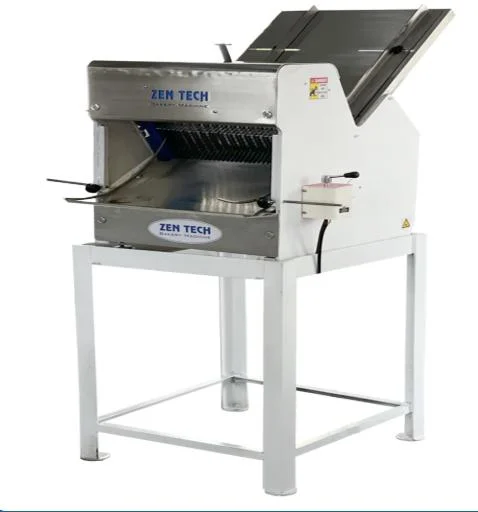
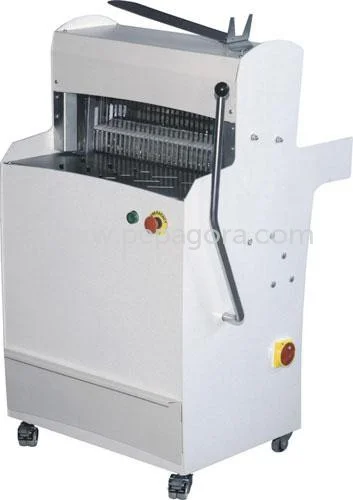
Industrial Heavy Duty Bread Slicer For Bakeries And Food Processing
Rhombus Thermo Systems Pvt Ltd
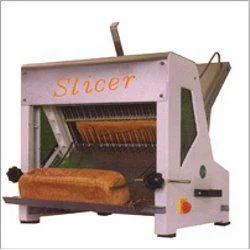
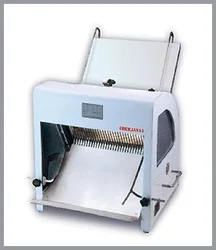
Commercial Table Top Bread Slicer Metal High Performance Various Sizes
Commercial Spiral Mixer High Performance Metal Construction Various Sizes
Commercial Planetary Mixer High Performance Metal Various Sizes
E. S. S. E. M. M. Corporation
Commercial Heavy Duty 5 Meat Forks Rotisserie with Manual Controls
Commercial Dish Warmer 30 Plate Single Head Food Warmer
Commercial Electric Pressure Fryer For High Volume Kitchens
BVS Engineering Works
Commercial Diesel Ovens Large Capacity Fast Heating For Bakeries
Commercial Electric Battery Oven Triple Wall Insulated Hinged Door
Industrial Flour Kneading Machine for Bakeries and Food Production
KVR Industries
Commercial Soft Serve Ice Cream Machine For High Volume Dessert Production
Commercial Automatic Softy Ice Cream Machine For Cafes & Dessert Shops
Commercial Electric Softy Ice Cream Machine with Night Mode for Continuous Operation
Why Businesses Trust Pepagora
Thousands of companies trust Pepagora to source smarter and sell faster
Expand Your Sales Globally
25000+Products listed.Get discovered by global buyers
Tools to boost visibility
Build your own catalog

Source Smarter,Grow Faster
4000+Active RFQs
100+ Countries served
Easy Sourcing Tools
