
 IN
INundefined
Blow Molding Dies
7 products available
𝗪𝗵𝗮𝘁 𝗮𝗿𝗲 𝗕𝗹𝗼𝘄 𝗠𝗼𝗹𝗱𝗶𝗻𝗴 𝗗𝗶𝗲𝘀?
Blow molding dies are essential tools used in the manufacturing process of hollow plastic products. They are designed to shape molten plastic into specific forms by utilizing air pressure to expand the material within a mold. The process involves heating a thermoplastic material until it becomes pliable, then inserting it into a mold cavity. Once the mold is closed, air is blown into the material, causing it to expand and conform to the mold's shape.
These dies are widely used in various industries for producing items such as bottles, containers, and automotive parts. The versatility of blow molding allows for high-volume production with consistent quality. Businesses that rely on blow molding dies include packaging, consumer goods, and automotive industries. The ability to create complex shapes and sizes makes these dies an invaluable asset in the manufacturing sector. As demand for plastic products continues to rise, the relevance of blow molding dies in the market remains strong.
𝗞𝗲𝘆 𝗙𝗲𝗮𝘁𝘂𝗿𝗲𝘀 𝗮𝗻𝗱 𝗦𝗽𝗲𝗰𝗶𝗳𝗶𝗰𝗮𝘁𝗶𝗼𝗻𝘀
Blow molding dies come with a range of features and specifications that are crucial for their performance and efficiency. Understanding these specifications helps businesses select the right dies for their production needs.
Key specifications include:
1. Die Material
- Typically made from high-strength steel or aluminum
- Offers durability and longevity under high temperatures
2. Mold Design
- Customizable designs to accommodate various product shapes
- Precision engineering to ensure accurate dimensions
3. Temperature Tolerance
- Capable of withstanding high temperatures during the molding process
- Specific temperature ranges depend on the material used
4. Surface Finish
- Options for different surface finishes to suit product requirements
- Smooth finishes for aesthetic products and textured finishes for grip
5. Cycle Time
- Efficiency in the production cycle, influencing overall output
- Shorter cycle times lead to increased productivity
6. Cooling Mechanism
- Integrated cooling systems to enhance production efficiency
- Ensures rapid cooling of the molded product for faster cycle times
7. Size and Weight
- Dimensions vary based on product requirements
- Weight considerations for ease of handling and installation
8. Compatibility
- Designed to work with various blow molding machines
- Ensures seamless integration into existing production lines
These specifications are vital to ensuring optimal performance and longevity of blow molding dies, making them a critical investment for manufacturers.
𝗖𝗼𝗺𝗺𝗼𝗻 𝗔𝗽𝗽𝗹𝗶𝗰𝗮𝘁𝗶𝗼𝗻𝘀 𝗮𝗻𝗱 𝗨𝘀𝗲 𝗖𝗮𝘀𝗲𝘀
Blow molding dies serve numerous industries, each requiring specialized applications for their production processes.
1. Packaging Industry: Blow molding dies are extensively used to create bottles and containers for beverages, chemicals, and food products. Their ability to produce lightweight yet durable packaging helps reduce shipping costs and improve shelf life.
2. Automotive Industry: These dies are utilized to manufacture fuel tanks, dashboards, and other interior components. The precision of blow molding allows for complex shapes that fit seamlessly into vehicle designs.
3. Consumer Goods: Products such as toys, household items, and garden supplies are produced with blow molding dies. This industry benefits from the ability to create unique shapes and designs that appeal to consumers.
4. Industrial Equipment: Blow molding is used to produce parts for machinery and equipment. The durability and strength of the molded parts are crucial for performance and safety.
5. Medical Industry: The production of medical containers and components requires high precision and reliability. Blow molding dies can create sterile and safe products for healthcare applications.
6. Electronics: Enclosures for electronic devices often utilize blow molded parts. The lightweight and strong nature of these products helps in reducing overall device weight while ensuring protection.
7. Construction: Blow molding dies are also used for producing various construction materials, such as pipes and fittings, which require both strength and flexibility.
𝗣𝗿𝗼𝗱𝘂𝗰𝘁 𝗩𝗮𝗿𝗶𝗮𝗻𝘁𝘀 𝗮𝗻𝗱 𝗦𝘂𝗯𝗰𝗮𝘁𝗲𝗴𝗼𝗿𝗶𝗲𝘀
There is a range of blow molding die variants available to cater to different manufacturing needs. Each variant offers specific features tailored to unique applications.
Standard Blow Molding Dies: These dies are designed for the production of basic shapes and sizes, suitable for general applications in the packaging and consumer goods industries. They are often cost-effective and readily available.
Custom Blow Molding Dies: Tailored to meet specific requirements, these dies are engineered for specialized products. They allow for intricate designs and can accommodate unique dimensions and shapes.
Multi-layer Blow Molding Dies: These variants enable the production of multi-layered products, enhancing barrier properties and providing additional functionality. They are often used in packaging applications where product preservation is critical.
𝗕𝗲𝗻𝗲𝗳𝗶𝘁𝘀 𝗮𝗻𝗱 𝗔𝗱𝘃𝗮𝗻𝘁𝗮𝗴𝗲𝘀
Investing in blow molding dies brings numerous advantages to manufacturers. Understanding these benefits helps businesses make informed decisions.
1. Cost Efficiency: Blow molding allows for high-volume production, reducing the cost per unit. This efficiency is beneficial for businesses looking to scale their operations.
2. Design Flexibility: The ability to create complex shapes and sizes gives manufacturers the freedom to innovate and differentiate their products in the market.
3. Material Savings: Blow molding minimizes waste due to its efficient use of materials, resulting in lower production costs and less environmental impact.
4. High Production Speed: The rapid cycle times associated with blow molding increase throughput, allowing businesses to meet high demand effectively.
5. Consistent Quality: The precision of blow molding dies ensures uniformity and high quality in produced items, reducing the likelihood of defects.
6. Lightweight Products: The nature of blow molding produces lightweight items without compromising strength, which is advantageous for shipping and handling.
𝗕𝘂𝘆𝗶𝗻𝗴 𝗚𝘂𝗶𝗱𝗲 𝗳𝗼𝗿 𝗕𝟮𝗕 𝗕𝘂𝘆𝗲𝗿𝘀
When sourcing blow molding dies, several factors should be considered to ensure the best fit for your production needs.
1. Quality Assessment: Evaluate the quality of the dies based on material durability, precision in design, and the manufacturer’s reputation. High-quality dies lead to better production outcomes.
2. Supplier Verification: It is crucial to vet suppliers thoroughly. Check their certifications, industry experience, and customer reviews to ensure they can provide reliable products.
3. Pricing and MOQ: Understand the pricing structure and minimum order quantities. This information helps in budgeting and managing inventory effectively.
4. Delivery and Lead Times: Inquire about delivery schedules and lead times to align production timelines with your supply chain requirements. Delays can impact overall operations.
5. Compliance Requirements: Ensure that the dies meet relevant industry standards and regulations. Compliance with safety and quality standards is vital for maintaining product integrity.
𝗖𝗼𝗺𝗽𝗹𝗶𝗮𝗻𝗰𝗲 𝗮𝗻𝗱 𝗖𝗲𝗿𝘁𝗶𝗳𝗶𝗰𝗮𝘁𝗶𝗼𝗻𝘀
Blow molding dies must adhere to various quality standards and certifications to ensure safety and efficiency in production. Key standards include ISO 9001, which outlines quality management principles, and CE certification, indicating compliance with European safety regulations.
Manufacturers should also consider safety and testing requirements relevant to their industry. This includes ensuring that the materials used in the production of dies are safe and suitable for their intended applications.
Regional compliance considerations may also apply, especially for businesses operating in multiple countries. Understanding and adhering to local regulations is crucial for maintaining market access and avoiding legal issues.
𝗪𝗵𝘆 𝗦𝗼𝘂𝗿𝗰𝗲 𝗕𝗹𝗼𝘄 𝗠𝗼𝗹𝗱𝗶𝗻𝗴 𝗗𝗶𝗲𝘀 𝗳𝗿𝗼𝗺 𝗣𝗲𝗽𝗮𝗴𝗼𝗿𝗮?
Pepagora offers a reliable platform for sourcing blow molding dies, featuring several key advantages that benefit B2B buyers.
Verified Supplier Network: Pepagora ensures that all suppliers in its network are thoroughly vetted for quality and reliability. This gives buyers confidence in the products they purchase.
Streamlined RFQ Process: The request for quotation process on Pepagora is designed for efficiency, allowing buyers to receive multiple quotes quickly. This saves time and helps in making informed decisions.
Trade Assurance and Support: Buyers are protected by trade assurance policies that safeguard their transactions. Pepagora’s support team is also available to assist with any inquiries or issues that may arise.
Regional Coverage: With a strong presence in India, the GCC, and Southeast Asia, Pepagora provides extensive geographic reach for sourcing blow molding dies. This ensures that businesses have access to a diverse range of suppliers and products tailored to their needs.
Newly Added


Recently Added
Carve Dies
Precision CNC Milling Services For Industrial Components
High Volume Injection Moulding Dies For Automotive And Electronics
Plastic Injection Moulds For Automotive Medical Packaging
A. V. Tools
Industrial Mould Cooler Boxes Durable Abrasion Resistant Cooling
Plastic Metal Imitation Jewellery Moulds For Fashion Manufacturing
Premium Plug Moulds For Durable Wall Plugs In Shapes And Sizes
Global Pet Industries
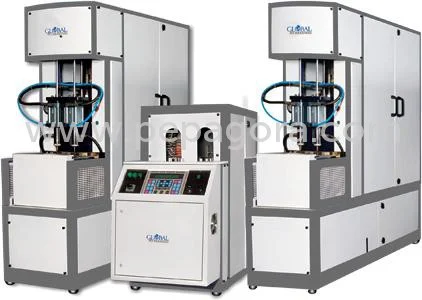
Industrial Plastic Molding 1 Blow 1 Conveyor System with Microprocessor Automation
Fully Automatic PET Preform Loader for Bottle Production Lines
Industrial Fully Automatic Machine Compact Design Ejector Loading Arms
Janani Enterprises
Industrial FRP Round Bottle Cooling Tower For Process Cooling
Industrial Square Shape Cooling Towers For High Volume Heat Rejection
Industrial FRP Cooling Towers Corrosion Resistant Square Design For Harsh Environments
Mathi Engineering Industries
200ml PET Water Bottle Mold With Hot Runner Technology For Beverage Packaging
300ml PET Water Bottle Mold With Hot Runner System For Injection Stretch Blow Molding
Beverage Production 500ml PET Water Bottle Mold With Hot Runner Technology
Why Businesses Trust Pepagora
Thousands of companies trust Pepagora to source smarter and sell faster
Expand Your Sales Globally
25000+Products listed.Get discovered by global buyers
Tools to boost visibility
Build your own catalog

Source Smarter,Grow Faster
4000+Active RFQs
100+ Countries served
Easy Sourcing Tools
