
 IN
INundefined
Blood Collection Tubes & Kits
14 products available
𝗪𝗵𝗮𝘁 𝗮𝗿𝗲 𝗕𝗹𝗼𝗼𝗱 𝗖𝗼𝗹𝗹𝗲𝗰𝘁𝗶𝗼𝗻 𝗧𝘂𝗯𝗲𝘀 & 𝗞𝗶𝘁𝘀?
Blood collection tubes and kits are essential tools used in laboratory settings to collect, transport, and store blood samples for various diagnostic tests. These tubes are designed with specific additives that facilitate the preservation and separation of blood components, ensuring accurate test results. Blood collection kits often include the tubes along with necessary accessories such as needles and safety devices, providing a comprehensive solution for healthcare professionals.
The primary uses of blood collection tubes and kits span across clinical diagnostics, research laboratories, and blood banks. In clinical settings, they are utilized for routine blood tests, including complete blood counts, biochemical assays, and serological evaluations. In research environments, these tubes play a critical role in sample collection for studies related to hematology, immunology, and infectious diseases. The relevance of blood collection tubes and kits in the medical field is significant, with a growing market driven by advances in diagnostic technologies and an increasing demand for safe and efficient blood sampling methods.
𝗞𝗲𝘆 𝗙𝗲𝗮𝘁𝘂𝗿𝗲𝘀 𝗮𝗻𝗱 𝗦𝗽𝗲𝗰𝗶𝗳𝗶𝗰𝗮𝘁𝗶𝗼𝗻𝘀
Blood collection tubes and kits are designed to meet rigorous industry standards and provide reliable performance in laboratory settings. These products come with a variety of features that cater to the specific needs of healthcare professionals.
Key specifications include:
1. Material Composition
- Typically made from glass or high-quality plastic
- Ensures durability and compatibility with various laboratory processes
2. Tube Sizes
- Available in multiple sizes, commonly ranging from 2 mL to 10 mL
- Supports a variety of sample volumes for different tests
3. Additive Types
- Contains additives like EDTA, heparin, or serum separator gel
- Facilitates specific testing requirements and sample preservation
4. Closure Types
- Features screw-cap or snap-cap closures
- Ensures secure sealing and minimizes contamination risk
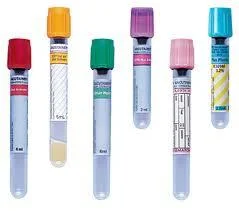
5. Color Coding
- Each tube type is color-coded to indicate the type of additive
- Simplifies identification and selection during sample collection
6. Sterility Assurance
- Sterilized using gamma radiation or ethylene oxide
- Guarantees safety for patient use and sample integrity
7. Compatibility
- Compatible with standard blood collection devices
- Facilitates ease of use in clinical settings
8. Shelf Life
- Typically, a shelf life of 12-24 months
- Ensures product reliability over time
These specifications ensure that blood collection tubes and kits meet industry standards for safety and performance, making them indispensable tools for healthcare providers.
𝗖𝗼𝗺𝗺𝗼𝗻 𝗔𝗽𝗽𝗹𝗶𝗰𝗮𝘁𝗶𝗼𝗻𝘀 𝗮𝗻𝗱 𝗨𝘀𝗲 𝗖𝗮𝘀𝗲𝘀
Blood collection tubes and kits find applications across various industries, each with specific needs for blood sample collection.
1. Healthcare: Hospitals and clinics utilize these tubes for routine diagnostics, including blood tests for cholesterol levels, glucose levels, and infectious diseases.
2. Research: Laboratories conducting clinical trials and biomedical research rely on blood collection kits for accurate sample collection and analysis.
3. Blood Banks: Blood donation centers use these tubes to safely collect and store blood for transfusion and further testing.
4. Veterinary Medicine: Veterinary clinics employ these products for blood sampling in animals, facilitating diagnostics and health monitoring.
5. Pharmaceutical Industry: Used for clinical trials, these tubes help in collecting blood samples from participants for drug efficacy studies.
6. Public Health: During epidemiological studies, blood collection kits are used to gather samples for population health assessments and disease tracking.
7. Forensic Science: Blood collection tubes are used in forensic investigations to collect samples for toxicology and DNA analysis.
𝗣𝗿𝗼𝗱𝘂𝗰𝘁 𝗩𝗮𝗿𝗶𝗮𝗻𝘁𝘀 𝗮𝗻𝗱 𝗦𝘂𝗯𝗰𝗮𝘁𝗲𝗴𝗼𝗿𝗶𝗲𝘀
Blood collection tubes and kits come in various forms to meet diverse user requirements. Their design and features can significantly impact usability and test results.
EDTA Tubes
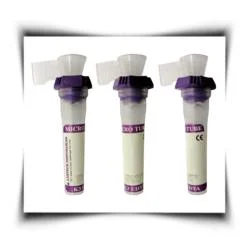
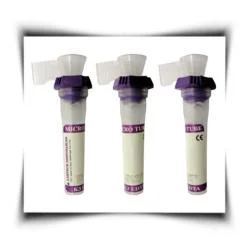
These tubes contain ethylenediaminetetraacetic acid as an anticoagulant. They are primarily used for complete blood counts and blood smears, preserving cell morphology and preventing clotting.
Serum Separator Tubes
These tubes feature a gel barrier that separates serum from blood cells upon centrifugation. They are ideal for biochemistry tests and serological evaluations, ensuring accurate results.
Heparin Tubes
Designed with heparin as an anticoagulant, these tubes are commonly used for tests requiring plasma samples, such as electrolyte levels and certain enzyme assays.
Sodium Citrate Tubes
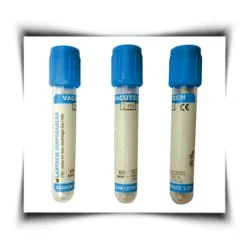
These tubes are utilized for coagulation studies and contain sodium citrate as an anticoagulant. They are essential for tests related to clotting factors.
𝗕𝗲𝗻𝗲𝗳𝗶𝘁𝘀 𝗮𝗻𝗱 𝗔𝗱𝘃𝗮𝗻𝘁𝗮𝗴𝗲𝘀
Blood collection tubes and kits offer numerous advantages that enhance laboratory efficiency and safety.
1. Accurate Sample Collection: These products are designed to minimize contamination and ensure precise sample volumes, leading to reliable test outcomes.
2. Convenience: With complete kits available, healthcare professionals can streamline the collection process, reducing the risk of errors and improving workflow.
3. Safety Features: Many tubes include safety caps and needle protection devices, decreasing the risk of needle-stick injuries and enhancing user safety.
4. Extended Shelf Life: Quality manufacturing ensures that these tubes maintain their integrity and effectiveness over an extended period, allowing for flexible inventory management.
5. Versatility: With a range of additives and configurations, these tubes can accommodate various testing requirements across multiple medical disciplines.
6. Compliance Ready: Blood collection tubes and kits are manufactured to meet international standards, ensuring compliance with health regulations and quality assurance.
𝗕𝘂𝘆𝗶𝗻𝗴 𝗚𝘂𝗶𝗱𝗲 𝗳𝗼𝗿 𝗕𝟮𝗕 𝗕𝘂𝘆𝗲𝗿𝘀
When sourcing blood collection tubes and kits, B2B buyers should consider several critical factors to ensure they make informed purchasing decisions.
1. Quality Assessment: Evaluate the quality of the tubes by reviewing certifications and compliance with industry standards, such as CE marking. Look for products that guarantee sterility and reliability.
2. Supplier Verification: Identify reputable suppliers with a proven track record in the industry. Check for customer reviews, case studies, and their overall reputation in the market.
3. Pricing and MOQ: Understand the pricing structure and any minimum order quantities (MOQ) that may apply. This will help in budgeting and ensuring cost-effectiveness.
4. Delivery and Lead Times: Discuss logistics with suppliers to establish expected delivery times. Efficient supply chain management is crucial for maintaining sufficient stock levels.
5. Compliance Requirements: Ensure that the products meet all relevant regulatory requirements in your region. This is essential for maintaining safety and quality in laboratory environments.
𝗖𝗼𝗺𝗽𝗹𝗶𝗮𝗻𝗰𝗲 𝗮𝗻𝗱 𝗖𝗲𝗿𝘁𝗶𝗳𝗶𝗰𝗮𝘁𝗶𝗼𝗻𝘀
Blood collection tubes and kits must adhere to various quality standards and certifications that ensure their safety and efficacy in laboratory applications.
ISO 9001 is a widely recognized standard that outlines criteria for a quality management system. Manufacturers of blood collection tubes and kits often comply with this standard to ensure consistent quality in their products.
HACCP (Hazard Analysis Critical Control Point) standards are also relevant, particularly in preventing contamination during the manufacturing process. Compliance with HACCP ensures that products are safe for medical use.
CE certification indicates that the products meet the health, safety, and environmental protection standards set by the European Union. This certification provides assurance to buyers regarding the quality of the blood collection tubes and kits.
Safety and testing requirements typically involve rigorous quality control processes during production, including sterility testing and material safety evaluations.
Regional compliance considerations may vary, and buyers should be aware of specific regulations in their area to ensure that the products they source comply with local laws and standards.
𝗪𝗵𝘆 𝗦𝗼𝘂𝗿𝗰𝗲 𝗕𝗹𝗼𝗼𝗱 𝗖𝗼𝗹𝗹𝗲𝗰𝘁𝗶𝗼𝗻 𝗧𝘂𝗯𝗲𝘀 & 𝗞𝗶𝘁𝘀 𝗳𝗿𝗼𝗺 𝗣𝗲𝗽𝗮𝗴𝗼𝗿𝗮?
Pepagora provides a trusted platform for sourcing blood collection tubes and kits, offering several key advantages that facilitate a seamless procurement experience.
Verified Supplier Network: Pepagora connects buyers with a network of verified suppliers who have undergone rigorous vetting processes. This ensures that buyers can access high-quality products from reputable manufacturers.
Streamlined RFQ Process: The request for quotation (RFQ) system simplifies the purchasing process. Buyers can easily compare offers from multiple suppliers, allowing them to make informed decisions based on pricing and quality.
Trade Assurance and Support: Pepagora offers trade assurance to protect buyers throughout the procurement process. This includes support for resolving disputes and ensuring that products meet quality expectations.
Regional Coverage: With a focus on markets in India, the Gulf Cooperation Council (GCC), and Southeast Asia, Pepagora provides extensive geographic reach. This allows buyers to access products that meet their specific regional needs while benefiting from local supplier relationships.
In summary, Pepagora stands out as a reliable platform for sourcing blood collection tubes and kits, backed by a commitment to quality and customer satisfaction.
Newly Added


Recently Added
Vivekananda Enterprises
Laboratory Sodium Citrate Cell Preparation Tubes For Mononuclear Cell Separation
Buchi Flasks For Laboratory Evaporation Distillation Solvent Recovery
Laboratory Chiller Baths For Precise Temperature Control
Beetta Instruments & Equipment Co.
Histology Labs Premium Rotary Microtome For Precise Tissue Sectioning
Premium Sledge Microtomes For Histology And Pathology Labs
High Precision Freezing Microtomes For Cryosectioning In Labs
Meditek Speciality
Blood Collection Monitor For Homogeneous Mixing And Clot Prevention
Medical Dialysis Chair With Remote Tilt Adjustment For Hospitals
Skylab Bio Freezer Microcontroller Precision Medical Industrial Stainless Steel
Billion Plastics Pvt. Ltd
Food Grade PVC Steel Spring Hose Non Toxic Kink Resistant
Billion Packaging Compounds For Bottles And Films
Footwear Sole Compounds Shore A 48 72 Flexible Durable Manufacturing
AV Exports
PRADA Test Sieves Stainless Steel Particle Size Analysis Quality Control
ISO Certified Laboratory Centrifuges For Medical And Industrial Labs
Laboratory Stirrers And Emulsifiers For With Maintenance Free Operation
Labtech Disposables
Premium Fluoride Tubes For Sodium Fluoride Preservation In Water Treatment
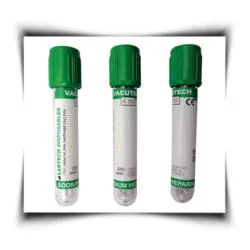
Medical Diagnostic Heparin Blood Collection Tubes For Plasma Separation
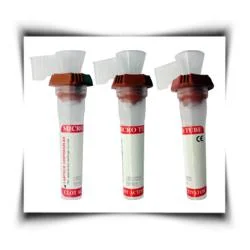
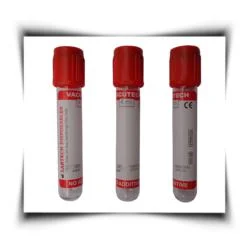
Pediatric Blood Collection Red Cap Clot Activator Tubes 1ml Leak Proof
Why Businesses Trust Pepagora
Thousands of companies trust Pepagora to source smarter and sell faster
Expand Your Sales Globally
25000+Products listed.Get discovered by global buyers
Tools to boost visibility
Build your own catalog

Source Smarter,Grow Faster
4000+Active RFQs
100+ Countries served
Easy Sourcing Tools
