
 IN
INundefined
Blast Freezers
73 products available
𝗪𝗵𝗮𝘁 𝗮𝗿𝗲 𝗕𝗹𝗮𝘀𝘁 𝗙𝗿𝗲𝗲𝘇𝗲𝗿𝘀?
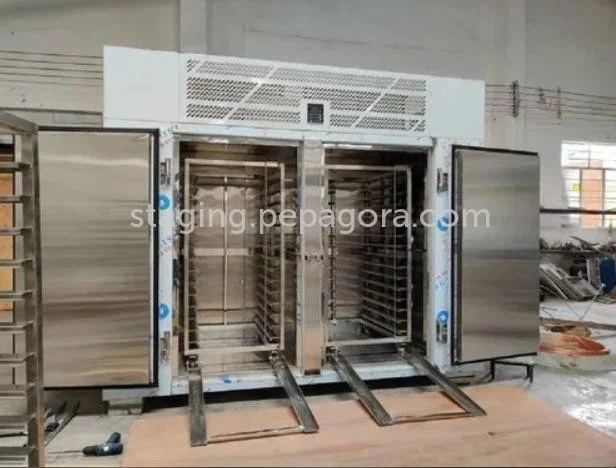
Blast freezers are specialized refrigeration units designed to rapidly lower the temperature of food products and other perishable items. This process, known as blast freezing, involves exposing products to extremely low temperatures for a short period. The primary goal is to freeze items quickly to preserve their quality, texture, and nutritional value. Unlike standard freezers that cool items slowly, blast freezers ensure that ice crystals formed during the freezing process are minimized, resulting in better product quality.
These units are commonly used in various sectors, including food processing, catering, and pharmaceuticals. In the food industry, blast freezers are essential for freezing meat, seafood, and baked goods to maintain freshness and extend shelf life. In pharmaceuticals, they are used to store temperature-sensitive materials, ensuring that active ingredients remain effective. The growing need for efficient freezing solutions across industries has positioned blast freezers as a critical component in modern supply chains.
𝗞𝗲𝘆 𝗙𝗲𝗮𝘁𝘂𝗿𝗲𝘀 𝗮𝗻𝗱 𝗦𝗽𝗲𝗰𝗶𝗳𝗶𝗰𝗮𝘁𝗶𝗼𝗻𝘀
Blast freezers come equipped with a range of features designed to optimize performance and efficiency. Understanding these specifications is crucial for businesses looking to invest in this equipment.
Key specifications include:
1. Temperature Range
- Capable of achieving temperatures as low as -40 degrees Celsius.
- Essential for preserving the integrity of perishable goods.
2. Capacity
- Available in various sizes, typically ranging from small units (100 kg) to large industrial models (over 1,000 kg).
- Selection should depend on the volume of products needing freezing.
3. Freezing Time
- Designed to freeze products within a specific time frame, often within a few hours.
- Faster freezing times are critical for maintaining quality.
4. Energy Efficiency
- Many models are designed to use less energy while maintaining optimal performance.
- Look for energy ratings that indicate efficiency.
5. Control Systems
- Advanced models feature digital control panels for precise temperature monitoring.
- Some units include alarms for temperature fluctuations.
6. Construction Material
- Typically made from stainless steel for durability and ease of cleaning.
- Enhanced insulation to minimize energy loss.
7. Humidity Control
- Some models include features to manage humidity levels during the freezing process.
- Helps prevent freezer burn and maintains product quality.
8. Safety Features
- Equipped with safety mechanisms such as door locks and emergency shut-off systems.
- Ensures safe operation in commercial environments.
In summary, selecting a blast freezer involves assessing various specifications that align with specific business needs and ensuring the unit meets industry standards.
𝗖𝗼𝗺𝗺𝗼𝗻 𝗔𝗽𝗽𝗹𝗶𝗰𝗮𝘁𝗶𝗼𝗻𝘀 𝗮𝗻𝗱 𝗨𝘀𝗲 𝗖𝗮𝘀𝗲𝘀
Blast freezers serve a wide range of industries, each with unique applications.
1. Food Processing: In this sector, blast freezers are utilized to freeze meats, fish, and baked goods quickly. This ensures that the products retain their taste and texture, essential for quality control.
2. Catering Services: Catering companies rely on blast freezers to prepare large quantities of food in advance. This allows them to serve fresh meals without compromising quality during events.
3. Pharmaceuticals: Blast freezers are critical for storing vaccines and other temperature-sensitive medications. Rapid freezing preserves the effectiveness of these products.
4. Restaurants: Many restaurants use blast freezers to store pre-prepared dishes and ingredients. This helps them manage inventory and reduce waste.
5. Ice Cream Production: The ice cream industry uses blast freezers to quickly freeze mixtures, preventing the formation of large ice crystals and ensuring a smooth texture.
6. Research Laboratories: In laboratories, blast freezers are used to store biological samples and reagents at stable temperatures, crucial for experimental integrity.
7. Cold Storage Warehouses: These facilities utilize blast freezers to prepare products for long-term storage, enhancing the overall efficiency of their supply chain.
𝗣𝗿𝗼𝗱𝘂𝗰𝘁 𝗩𝗮𝗿𝗶𝗮𝗻𝘁𝘀 𝗮𝗻𝗱 𝗦𝘂𝗯𝗰𝗮𝘁𝗲𝗴𝗼𝗿𝗶𝗲𝘀
Blast freezers come in various variants to cater to different business needs and operational scales.
Commercial Blast Freezers
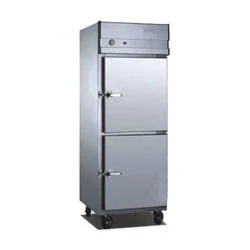
These units are designed for restaurants and catering businesses. They are typically compact and efficient, allowing for quick freezing of prepared meals and ingredients.
Industrial Blast Freezers
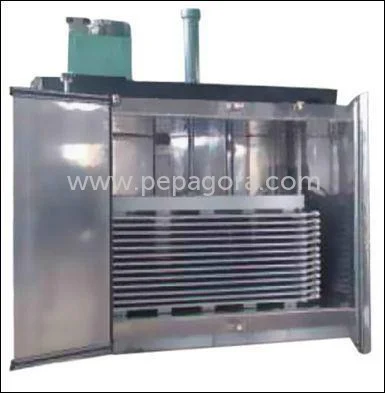
These larger models are suited for food processing plants and warehouses. They can handle significant volumes and are built for heavy-duty use, ensuring rapid freezing of bulk products.
Countertop Blast Freezers
Ideal for smaller kitchens or businesses with limited space, countertop models provide efficiency in a compact design. They are suitable for quick freezing small batches of food.
Portable Blast Freezers
These models offer flexibility for on-the-go freezing needs. They are often used in catering and outdoor events where access to refrigeration may be limited.
𝗕𝗲𝗻𝗲𝗳𝗶𝘁𝘀 𝗮𝗻𝗱 𝗔𝗱𝘃𝗮𝗻𝘁𝗮𝗴𝗲𝘀
Investing in blast freezers provides several key benefits to businesses.
1. Enhanced Product Quality: Rapid freezing minimizes ice crystal formation, preserving the texture and flavor of food products.
2. Improved Shelf Life: By quickly freezing items, businesses can extend the shelf life of their products, reducing waste and increasing profitability.
3. Operational Efficiency: Blast freezers facilitate large-scale freezing operations, allowing businesses to prepare products in advance and manage inventory effectively.
4. Energy Savings: Many modern blast freezers are designed to be energy-efficient, reducing operational costs over time.
5. Versatility: Blast freezers can be used across various industries, providing flexibility for businesses to adapt to changing needs.
6. Compliance Support: Utilizing blast freezers helps businesses meet food safety standards and regulations, ensuring product safety and quality.
𝗕𝘂𝘆𝗶𝗻𝗴 𝗚𝘂𝗶𝗱𝗲 𝗳𝗼𝗿 𝗕𝟮𝗕 𝗕𝘂𝘆𝗲𝗿𝘀
When sourcing blast freezers, there are several important factors to consider to ensure a sound investment.
1. Quality Assessment: Evaluate the build quality of the freezer, focusing on materials used and construction standards. Look for units that meet industry certifications for durability and performance.
2. Supplier Verification: It's crucial to vet suppliers to ensure they have a good reputation and provide reliable products. Check reviews and request references from other customers.
3. Pricing and MOQ: Understand the pricing structure and minimum order quantities (MOQ) required by suppliers. This will help in budgeting and ensuring you meet volume needs.
4. Delivery and Lead Times: Discuss logistics with potential suppliers to ensure timely delivery. Consider lead times in your planning to avoid disruptions in your operations.
5. Compliance Requirements: Be aware of local regulations and standards that the blast freezers must meet. Ensure that suppliers provide documentation confirming compliance.
𝗖𝗼𝗺𝗽𝗹𝗶𝗮𝗻𝗰𝗲 𝗮𝗻𝗱 𝗖𝗲𝗿𝘁𝗶𝗳𝗶𝗰𝗮𝘁𝗶𝗼𝗻𝘀
Blast freezers must adhere to various quality standards and industry certifications to ensure safety and effectiveness.
ISO 9001 is a key standard that outlines quality management systems. Manufacturers of blast freezers often pursue this certification to demonstrate their commitment to quality control and continuous improvement.
HACCP (Hazard Analysis Critical Control Point) principles are crucial in the food industry. Blast freezers should comply with HACCP guidelines to ensure food safety during freezing processes.
CE certification indicates that blast freezers meet European safety standards. This certification assures buyers that the products are safe for use and have been rigorously tested.
Safety and testing requirements are essential for ensuring that blast freezers operate efficiently and securely. Units should be tested for performance under different conditions to guarantee reliability.
Regional compliance considerations vary by location. It is important for businesses to understand local regulations regarding food storage and refrigeration to ensure that their blast freezers meet all necessary legal requirements.
𝗪𝗵𝘆 𝗦𝗼𝘂𝗿𝗰𝗲 𝗕𝗹𝗮𝘀𝘁 𝗙𝗿𝗲𝗲𝘇𝗲𝗿𝘀 𝗳𝗿𝗼𝗺 𝗣𝗲𝗽𝗮𝗴𝗼𝗿𝗮?
Pepagora offers a trusted platform for sourcing blast freezers, providing numerous advantages for buyers.
Verified Supplier Network: Pepagora maintains a network of verified suppliers, ensuring that buyers can find high-quality blast freezers. This network helps mitigate risks associated with sourcing from unverified sources.
Streamlined RFQ Process: The request for quotation (RFQ) process on Pepagora simplifies the procurement process. Buyers can easily request quotes from multiple suppliers, facilitating competitive pricing and informed decision-making.
Trade Assurance and Support: Pepagora provides trade assurance, offering protection for buyers in their transactions. This support ensures that orders are fulfilled as expected, enhancing buyer confidence.
Regional Coverage: Pepagora has a broad reach across regions, including India, GCC, and Southeast Asia. This geographic coverage allows buyers to source locally and efficiently, reducing shipping costs and lead times.
In conclusion, sourcing blast freezers through Pepagora provides businesses with access to verified suppliers, competitive pricing, and comprehensive support, making it an ideal choice for B2B buyers in need of reliable freezing solutions.
Newly Added




Recently Added
Sri Guru Engineering
Industrial Water Chiller 5.0TR Remote Control Reliable Durable
Industrial Fire Retardant Tube Freezer For Food Processing
Industrial PLC Panel Remote Control Boxes OEM New Reliable Durable
AllState Group
Industrial Horizontal Plate Freezer Stainless Steel Aluminium Easy Install
Industrial Horizontal Plate Freezer Stainless Steel Aluminum Easy Install
Industrial Horizontal Plate Freezer Stainless Steel Aluminium Easy Install
Mitora Machinex Pvt Ltd
Commercial Blast Freezer Rapid Freezing Stainless Steel Compact
Commercial Ice Cube Maker Vertical Evaporator Energy Efficient
Commercial Chocolate Melting Machine with Stainless Steel & Temperature Control
Vimal Industry
Commercial Dough Kneading Machine Electric Heavy Duty 10 100kg
Commercial Vegetable Cutting Machine Stainless Steel Blades Metal Body
Salamander Kitchen Equipment OEM Metal Durable Efficient
AAB Heat Transfer
Industrial Tube Heat Exchangers For Efficient Heating And Cooling
Industrial Heat Exchangers For Hydraulic Power Packs Thermal Management
Industrial HVAC Shell And Tube Condenser For Heat Exchange Efficiency
Iic Industrial Corporation
Industrial Vacuum Drying Oven for Pharmaceuticals and Electronics
Industrial Dehumidifiers For Pharmaceuticals Food Processing Laboratories
IIC Bio Fermenter Bioreactor For Microbial Cultivation In Pharmaceuticals
Polfrost Aircon Pvt Ltd
Lab Constant Temperature Refrigerators For Precise Humidity Control
Commercial Upright And Chest Freezers 165L To 450L 20C To 40C
Industrial PUF Panels For Cold Storage Insulation 60mm 200mm
Global Cool Solution
Commercial Walk In Cooler Robust Construction Low Maintenance Cost
Industrial Ripening Chamber 13.5m Length 6.5m Height Precise Temperature Control
Heavy Storage Clean Rooms For Food And Agriculture Industries
Premier Cnc Press Shop Pvt Ltd
Security System Cabinets Durable Corrosion Resistant Protection
Industrial PCB Cradles For Racks Durable Corrosion Resistant Storage
Heavy Duty Network System Racks Steel Durable IT Telecom
F-Max Systems
Vegetable Cold Storage For Freshness & Shelf Life Extension
Cold Rooms for Food Storage, Pharmaceuticals & Agriculture
Multi Room Cold Storage Solutions For Food And Agriculture
Why Businesses Trust Pepagora
Thousands of companies trust Pepagora to source smarter and sell faster
Expand Your Sales Globally
25000+Products listed.Get discovered by global buyers
Tools to boost visibility
Build your own catalog

Source Smarter,Grow Faster
4000+Active RFQs
100+ Countries served
Easy Sourcing Tools
