
 IN
INundefined
Biochar
2 products available
𝗪𝗵𝗮𝘁 𝗮𝗿𝗲 𝗕𝗶𝗼𝗰𝗵𝗮𝗿?
Biochar is a carbon-rich material produced by pyrolysis, a process that involves heating organic material in the absence of oxygen. This method transforms biomass, such as wood chips, agricultural residues, or other organic waste, into a stable form of carbon that can be used to enhance soil health and sequester carbon. The result is a porous substance that provides a habitat for beneficial microorganisms and improves soil structure.
Biochar has a variety of applications across different sectors. It is primarily used in agriculture to improve soil fertility and promote plant growth by enhancing nutrient retention and water holding capacity. Additionally, biochar is utilized in environmental remediation to filter pollutants from water and air. The increasing focus on sustainable practices has led to a growing market for biochar, making it a relevant product in sectors such as agriculture, waste management, and environmental conservation.
𝗞𝗲𝘆 𝗙𝗲𝗮𝘁𝘂𝗿𝗲𝘀 𝗮𝗻𝗱 𝗦𝗽𝗲𝗰𝗶𝗳𝗶𝗰𝗮𝘁𝗶𝗼𝗻𝘀
Biochar is characterized by several key features that make it beneficial for various applications. Understanding these specifications is crucial for businesses looking to invest in biochar products.
Key specifications include:
1. Carbon Content
- High carbon content is essential for stability and effectiveness.
- Typically ranges from 30% to 90%.
2. Surface Area
- A higher surface area enhances its ability to retain nutrients and water.
- Commonly ranges from 100 to 800 m²/g.
3. pH Level
- The pH level influences soil acidity and nutrient availability.
- Usually ranges from 6 to 10.
4. Bulk Density
- Affects the application rate and transport efficiency.
- Common ranges from 0.2 to 0.6 g/cm³.
5. Moisture Content
- Influences the handling and storage of biochar.
- Typically less than 10%.
6. Ash Content
- Determines the mineral composition and potential nutrient supply.
- Usually ranges from 2% to 20%.
7. Nutrient Content
- Biochar can contribute essential nutrients like nitrogen, phosphorus, and potassium.
- Varies significantly based on feedstock and production method.
8. Production Temperature
- Affects the quality and properties of biochar.
- Generally produced between 300°C and 700°C.
Biochar's unique properties make it a versatile product that supports sustainable practices in agriculture and environmental management.
𝗖𝗼𝗺𝗺𝗼𝗻 𝗔𝗽𝗽𝗹𝗶𝗰𝗮𝘁𝗶𝗼𝗻𝘀 𝗮𝗻𝗱 𝗨𝘀𝗲 𝗖𝗮𝘀𝗲𝘀
Biochar serves various industries, each benefiting from its unique properties.
1. Agriculture: Biochar is used to enhance soil fertility, improve plant growth, and increase crop yields. It helps retain moisture and nutrients, reducing the need for chemical fertilizers.
2. Environmental Remediation: Biochar is employed in water treatment processes to absorb pollutants and improve water quality. Its porous structure makes it effective for filtering contaminants.
3. Waste Management: Biochar can be produced from organic waste, offering a sustainable disposal method while converting waste into a valuable product. This process helps reduce landfill volume.
4. Carbon Sequestration: By storing carbon in a stable form, biochar contributes to climate change mitigation efforts. It helps reduce greenhouse gas emissions from soil.
5. Horticulture: Used in potting mixes and landscaping, biochar improves soil aeration and nutrient availability, promoting healthy plant growth.
6. Livestock Farming: Biochar is added to animal feed to improve digestion and reduce methane emissions in livestock, contributing to more sustainable farming practices.
7. Energy Production: Biochar can be utilized in energy production through combustion, providing a renewable energy source while minimizing carbon emissions.
𝗣𝗿𝗼𝗱𝘂𝗰𝘁 𝗩𝗮𝗿𝗶𝗮𝗻𝘁𝘀 𝗮𝗻𝗱 𝗦𝘂𝗯𝗰𝗮𝘁𝗲𝗴𝗼𝗿𝗶𝗲𝘀
Biochar is a diverse product with various characteristics tailored for specific applications.
Granulated Biochar
This variant is produced in a granular form, making it easy to mix with soil or other substrates. It is often used in agricultural applications to enhance soil health.
Powdered Biochar
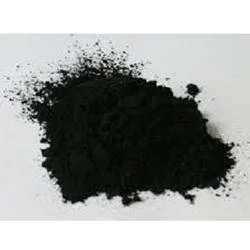
Powdered biochar offers a high surface area, making it suitable for water filtration and remediation purposes. Its fine texture allows for better absorption of contaminants.
Pelletized Biochar
Pelletized biochar is compact and easy to transport, often used in large-scale agricultural applications. Its uniform size ensures consistent application rates across fields.
Charcoal Biochar
This variant retains more of its original charcoal properties, making it ideal for applications that require high carbon content and specific structural characteristics.
𝗕𝗲𝗻𝗲𝗳𝗶𝘁𝘀 𝗮𝗻𝗱 𝗔𝗱𝘃𝗮𝗻𝘁𝗮𝗴𝗲𝘀
Biochar offers numerous advantages that make it an attractive option for businesses.
Key benefits include:
1. Soil Improvement: Biochar enhances soil structure, increases nutrient retention, and improves water-holding capacity, leading to healthier crops.
2. Environmental Benefits: By sequestering carbon, biochar contributes to reducing greenhouse gas emissions and improving overall environmental sustainability.
3. Waste Reduction: Producing biochar from organic waste provides a sustainable solution for waste management while creating a valuable product.
4. Cost-Effectiveness: The use of biochar can reduce the need for chemical fertilizers, leading to cost savings for farmers and businesses.
5. Versatility: Biochar can be used in various applications, from agriculture to environmental remediation, making it a multi-functional product.
6. Enhanced Microbial Activity: Biochar creates a favorable environment for beneficial microorganisms, promoting soil health and plant growth.
𝗕𝘂𝘆𝗶𝗻𝗴 𝗚𝘂𝗶𝗱𝗲 𝗳𝗼𝗿 𝗕𝟮𝗕 𝗕𝘂𝘆𝗲𝗿𝘀
When sourcing biochar, it is essential for businesses to consider several key factors to ensure they make informed decisions.
1. Quality Assessment: Evaluate the quality of biochar by checking carbon content, surface area, and other specifications. High-quality biochar will demonstrate better performance in applications.
2. Supplier Verification: Vet suppliers to ensure they have a reliable track record and adhere to production standards. Request references or certifications to confirm their legitimacy.
3. Pricing and MOQ: Understand the pricing structure and minimum order quantities (MOQ) that suppliers offer. Compare prices across different suppliers to find the best deal.
4. Delivery and Lead Times: Inquire about delivery options and lead times to ensure timely access to products. Efficient logistics are crucial for maintaining supply chain efficiency.
5. Compliance Requirements: Confirm that the biochar meets relevant regulatory and safety standards, including certifications like CE. This ensures compliance with industry regulations.
𝗖𝗼𝗺𝗽𝗹𝗶𝗮𝗻𝗰𝗲 𝗮𝗻𝗱 𝗖𝗲𝗿𝘁𝗶𝗳𝗶𝗰𝗮𝘁𝗶𝗼𝗻𝘀
Biochar is subject to various quality standards and certifications that ensure its effectiveness and safety for use in different applications.
Relevant quality standards, such as ISO 9001, focus on maintaining consistent quality throughout the production process. Compliance with such standards ensures that biochar meets the expected performance criteria.
Industry certifications like CE indicate that the product adheres to European health, safety, and environmental protection standards. This certification is crucial for accessing European markets.
Safety and testing requirements involve assessing the product for contaminants and ensuring it is safe for agricultural and environmental applications. Regular testing helps maintain quality assurance.
Regional compliance considerations may vary, but it is essential to be aware of local regulations governing the use of biochar. This ensures that businesses remain compliant and avoid potential legal issues.
𝗪𝗵𝘆 𝗦𝗼𝘂𝗿𝗰𝗲 𝗕𝗶𝗼𝗰𝗵𝗮𝗿 𝗳𝗿𝗼𝗺 𝗣𝗲𝗽𝗮𝗴𝗼𝗿𝗮?
Pepagora provides a trusted platform for sourcing biochar with several key advantages that benefit B2B buyers.
Verified Supplier Network: Pepagora connects buyers with a network of verified suppliers, ensuring quality and reliability. This network allows businesses to access a range of products with confidence.
Streamlined RFQ Process: The request for quotation (RFQ) process is efficient and user-friendly, allowing buyers to receive competitive quotes quickly. This streamlines the sourcing process and saves time.
Trade Assurance and Support: Pepagora offers trade assurance programs that protect buyers against potential risks. This support fosters trust and enhances the purchasing experience.
Regional Coverage: With a strong presence in India, the GCC, and Southeast Asia, Pepagora ensures that businesses can find suppliers that cater to their regional needs. This broad coverage facilitates easier access to biochar products.
Newly Added


Recently Added
Zeal Associates
Industrial Activated Carbon Adsorbent Briquettes 95% Hardness Low Ash
Roasted Coconut Shell Powder For Bakelite Moulding And Eco Friendly Adsorbent
OEM High Quality Coconut Shell Charcoal Powder For Floral Incense Sticks
Why Businesses Trust Pepagora
Thousands of companies trust Pepagora to source smarter and sell faster
Expand Your Sales Globally
25000+Products listed.Get discovered by global buyers
Tools to boost visibility
Build your own catalog

Source Smarter,Grow Faster
4000+Active RFQs
100+ Countries served
Easy Sourcing Tools
