
 IN
INundefined
Beverage Packaging (Juice, Cold Drink)
5 products available
What are Beverage Packaging (Juice, Cold Drink)?
Beverage packaging for juice and cold drinks refers to the materials and methods used to contain and protect liquid products for distribution and sale. This packaging plays a crucial role in preserving the quality and safety of beverages while also providing branding opportunities for manufacturers. The packaging can include bottles, cartons, pouches, and cans, each designed to meet specific requirements in terms of functionality and consumer appeal.
The primary uses of beverage packaging include ensuring product integrity, extending shelf life, and providing convenience for consumers. Businesses in the food and beverage industry utilize these packaging solutions to meet various market demands while complying with regulatory standards. The beverage packaging market is significant globally, driven by the rising demand for ready-to-drink juices and cold beverages, as consumers increasingly seek convenient and healthy options.
In the context of industry relevance, the beverage packaging sector is closely aligned with trends in sustainability and innovation. Companies are increasingly focusing on eco-friendly materials and designs that minimize environmental impact. As the market continues to evolve, the need for efficient, attractive, and compliant beverage packaging solutions remains paramount.
𝗞𝗲𝘆 𝗙𝗲𝗮𝘁𝘂𝗿𝗲𝘀 𝗮𝗻𝗱 𝗦𝗽𝗲𝗰𝗶𝗳𝗶𝗰𝗮𝘁𝗶𝗼𝗻𝘀
Beverage packaging for juice and cold drinks is characterized by several key features and specifications that enhance functionality and consumer appeal. These specifications are critical for ensuring product safety and market competitiveness.
Key specifications include:
1. Material Composition
- Common materials include PET, glass, and Tetra Pak.
- Each material offers distinct advantages in terms of weight, recyclability, and barrier properties.
2. Capacity
- Available in various sizes, typically ranging from 250ml to 2 liters.
- The choice of capacity often depends on consumer preferences and market trends.
3. Closure Type
- Closure options include screw caps, flip-top lids, and straw openings.
- These options enhance convenience and usability for consumers.
4. Barrier Properties
- Essential for protecting against oxygen, light, and moisture.
- Ensures the beverage maintains its flavor and freshness over time.
5. Printability
- High-quality printing options for branding and labeling.
- Allows for vibrant designs that capture consumer interest.
6. Temperature Resistance
- Many packaging types are designed to withstand a range of temperatures.
- Important for products that may be stored in refrigeration or exposed to heat.
7. Compliance with Safety Standards
- Must meet relevant food safety regulations and certifications.
- Ensures consumer safety and product integrity.
In summary, these features and specifications are vital for ensuring that beverage packaging meets consumer expectations while providing manufacturers with the tools they need to succeed in a competitive market.
𝗖𝗼𝗺𝗺𝗼𝗻 𝗔𝗽𝗽𝗹𝗶𝗰𝗮𝘁𝗶𝗼𝗻𝘀 𝗮𝗻𝗱 𝗨𝘀𝗲 𝗖𝗮𝘀𝗲𝘀
Beverage packaging for juice and cold drinks serves various industries with specific applications tailored to each sector.
1. Food and Beverage Industry: Manufacturers use beverage packaging to deliver juices and cold drinks to consumers, ensuring freshness and safety.
2. Retail: Retailers rely on attractive packaging to enhance product visibility and appeal on store shelves, driving sales and brand recognition.
3. Hospitality: Restaurants and cafes utilize beverage packaging for serving drinks, often opting for eco-friendly options to align with sustainability practices.
4. Health and Wellness: Brands focused on health products use packaging that emphasizes natural ingredients and organic certification, appealing to health-conscious consumers.
5. E-Commerce: Online retailers require durable and secure packaging to protect beverages during transit, ensuring they reach customers in perfect condition.
6. Event Services: Beverage packaging plays a critical role in catering services, where convenient, portable options are essential for events and gatherings.
7. Export: Companies exporting beverages must consider packaging that meets international standards and regulations to ensure successful entry into new markets.
𝗣𝗿𝗼𝗱𝘂𝗰𝘁 𝗩𝗮𝗿𝗶𝗮𝗻𝘁𝘀 𝗮𝗻𝗱 𝗦𝘂𝗯𝗰𝗮𝘁𝗲𝗴𝗼𝗿𝗶𝗲𝘀
Beverage packaging for juice and cold drinks comes in various forms designed to meet diverse market needs.
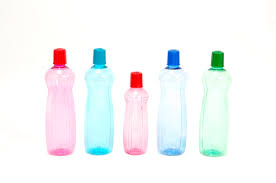
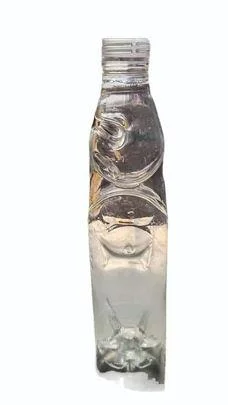
Plastic Bottles: Lightweight and durable, plastic bottles are common for juice and cold drinks, offering convenience and ease of transport. They can be customized in size and shape to enhance branding.
Glass Bottles: Glass provides a premium feel and is often used for high-end juices and beverages. Its non-reactive nature ensures that flavors are preserved, making it a popular choice among health-focused brands.
Cartons: Tetra Pak cartons are ideal for juice packaging, offering excellent barrier properties and extended shelf life. They are also more sustainable compared to traditional packaging options.
Cans: Aluminum cans are increasingly used for cold drinks due to their lightweight nature and recyclability. They provide an effective barrier against light and oxygen, maintaining product quality.
𝗕𝗲𝗻𝗲𝗳𝗶𝘁𝘀 𝗮𝗻𝗱 𝗔𝗱𝘃𝗮𝗻𝘁𝗮𝗴𝗲𝘀
Investing in high-quality beverage packaging for juice and cold drinks offers numerous benefits that can enhance business operations.
1. Product Preservation: Proper packaging helps maintain the quality and freshness of beverages, extending their shelf life and reducing waste.
2. Consumer Convenience: Easy-to-use packaging designs improve the consumer experience, encouraging repeat purchases and brand loyalty.
3. Branding Opportunities: Packaging serves as a canvas for branding, allowing companies to create a visual identity that attracts customers and differentiates products in a crowded market.
4. Sustainability: Eco-friendly packaging options appeal to environmentally conscious consumers and help companies meet sustainability goals.
5. Regulatory Compliance: Adhering to safety standards and regulations ensures that products are safe for consumers, reducing the risk of legal issues.
6. Cost Efficiency: Investing in the right packaging can lead to savings in logistics and storage, as well as reduced returns due to damaged products.
𝗕𝘂𝘆𝗶𝗻𝗴 𝗚𝘂𝗶𝗱𝗲 𝗳𝗼𝗿 𝗕𝟮𝗕 𝗕𝘂𝘆𝗲𝗿𝘀
When sourcing beverage packaging for juice and cold drinks, B2B buyers should consider several essential factors to ensure they make informed decisions.
1. Quality Assessment: Evaluate the quality of packaging materials and their suitability for the specific beverage. Look for certifications that indicate compliance with food safety standards.
2. Supplier Verification: Vet potential suppliers to ensure they have a reliable track record. Check references, reviews, and certifications to ensure they meet industry standards.
3. Pricing and MOQ: Understand the pricing structure and minimum order quantities. Compare quotes from multiple suppliers to ensure competitive pricing without compromising quality.
4. Delivery and Lead Times: Consider the logistics of delivery and any potential lead times. Ensure that suppliers can meet your timelines for production and delivery.
5. Compliance Requirements: Familiarize yourself with regulatory requirements that apply to beverage packaging in your region. Ensure that the packaging meets all necessary compliance standards.
𝗖𝗼𝗺𝗽𝗹𝗶𝗮𝗻𝗰𝗲 𝗮𝗻𝗱 𝗖𝗲𝗿𝘁𝗶𝗳𝗶𝗰𝗮𝘁𝗶𝗼𝗻𝘀
Beverage packaging for juice and cold drinks must adhere to various quality standards and regulations to ensure safety and consumer protection.
Relevant quality standards like ISO 9001 and HACCP are crucial for maintaining high manufacturing practices. These standards help ensure that products are produced consistently and safely, minimizing risks associated with contamination or quality issues.
Additionally, industry certifications such as CE play an important role in demonstrating compliance with safety and performance requirements. These certifications can enhance consumer trust and marketability.
Safety and testing requirements are also essential. Packaging must undergo rigorous testing to ensure that it does not react with the beverage and that it can withstand various conditions during transport and storage.
Lastly, regional compliance considerations are critical as regulations can vary significantly between markets. Companies must be aware of the specific requirements in their target regions to successfully navigate the complexities of global trade.
Why Source Beverage Packaging (Juice, Cold Drink) from Pepagora?
Pepagora provides a trusted platform for sourcing beverage packaging for juice and cold drinks, offering several key advantages that set it apart from competitors.
Verified Supplier Network: Pepagora connects buyers with a network of verified suppliers, ensuring that businesses can source high-quality packaging from reputable manufacturers. This reduces the risk associated with supplier selection.
Streamlined RFQ Process: The platform features a user-friendly request for quotation (RFQ) system that simplifies the sourcing process. Buyers can easily submit their requirements and receive competitive quotes from multiple suppliers, saving time and effort.
Trade Assurance and Support: Pepagora offers trade assurance and buyer protection, providing peace of mind to businesses when making purchases. This support helps mitigate financial risks and ensures a smoother transaction experience.
Regional Coverage: With a strong presence in markets such as India, the GCC, and Southeast Asia, Pepagora enables businesses to access a wide range of packaging solutions tailored to regional preferences and compliance needs. This geographic reach facilitates effective sourcing for companies operating in diverse markets.
Newly Added




Recently Added
Massreach Associates
Professional Harvest Operations And Vegetable Post Harvest Management Services
Beverage Manufacturing Carbonated Soft Drinks Plants High Efficiency
Premium Packaged Drinking Water Plants For Industries
Athena Superpack Private Limited
Premium Metal Card Holders For Business Gifting And Professional Use
Disposable Plastic Meal Trays Bulk Eco Friendly Durable
Industrial Biodegradable Garbage Bags Durable Eco Friendly
Bajrang Plastics
Commercial Brown Casserole Dishes For Food Warming And Presentation
Commercial Casseroles Premium Food Warm Storage Catering Restaurants
Commercial Industrial Heavy Duty Dust Pan Durable Lightweight Multi Color
Dominent India Polymers Pvt. Ltd.
Liquor Bottling 11g PET Preforms Durable Premium Packaging
Premium 14g PET Preforms 25mm Neck For Liquor Chemical Packaging
Premium 25.5g PET Preforms Low Acetaldehyde Liquor Beverage Packaging
Daga Plastic Industries
Premium PE Plastic Juice Bottles Eco Friendly Food Grade Beverage Packaging
Premium Pesticide Bottles Eco Friendly PE Plastic Chemical Storage
Industrial Chemical Storage Bottles PE Plastic Eco Friendly Leak Proof
Mathi Engineering Industries
200ml PET Water Bottle Mold With Hot Runner Technology For Beverage Packaging
300ml PET Water Bottle Mold With Hot Runner System For Injection Stretch Blow Molding
Beverage Production 500ml PET Water Bottle Mold With Hot Runner Technology
Sri Krishna plastics
HDPE Round Tin Container for Industrial and Food Storage
HDPE Round Tin Container for Industrial and Food Storage
HDPE Bottle Caps for Secure Bottle Sealing
Why Businesses Trust Pepagora
Thousands of companies trust Pepagora to source smarter and sell faster
Expand Your Sales Globally
25000+Products listed.Get discovered by global buyers
Tools to boost visibility
Build your own catalog

Source Smarter,Grow Faster
4000+Active RFQs
100+ Countries served
Easy Sourcing Tools
