
 IN
INundefined
Beetroot
3 products available
𝗪𝗵𝗮𝘁 𝗮𝗿𝗲 𝗕𝗲𝗲𝘁𝗿𝗼𝗼𝘁?
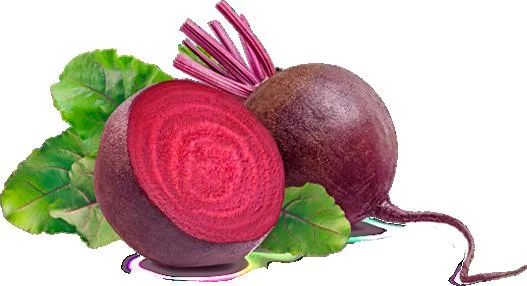
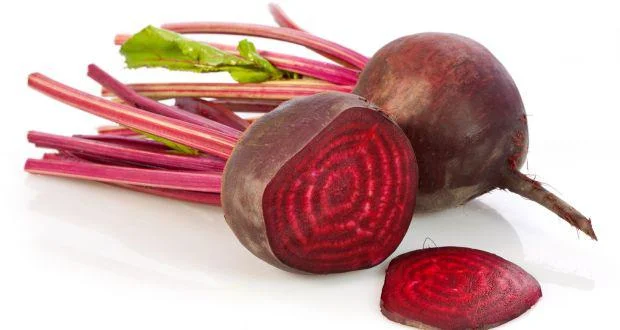
Beetroot, commonly known as beets, is a root vegetable that is rich in nutrients and has a deep, vibrant red color. It belongs to the same family as chard and spinach and is recognized for its earthy flavor and versatility in various culinary applications. The edible portion of the plant is the taproot, which can be consumed cooked, pickled, or raw. Beetroot is not only valued for its taste but also for its numerous health benefits, as it is packed with vitamins, minerals, and antioxidants.
In a business context, beetroot finds applications across multiple sectors, including food and beverage, health and wellness, and agriculture. The food industry utilizes beetroot in juices, salads, and as a natural coloring agent in various products. In the health sector, it is being increasingly recognized for its potential health benefits, including improved blood flow and lower blood pressure. As the demand for natural and organic products grows, beetroot is becoming an important ingredient in health supplements and functional foods, making it relevant in today’s market.
𝗞𝗲𝘆 𝗙𝗲𝗮𝘁𝘂𝗿𝗲𝘀 𝗮𝗻𝗱 𝗦𝗽𝗲𝗰𝗶𝗳𝗶𝗰𝗮𝘁𝗶𝗼𝗻𝘀
Beetroot is characterized by a variety of features that make it appealing to businesses and consumers alike. Its nutritional profile, versatility, and adaptability to different growing conditions contribute to its popularity.
Key specifications include:
1. Nutritional Profile
- Rich in vitamins A, C, and B6, folate, manganese, and potassium
- Low in calories and high in dietary fiber
2. Color and Appearance
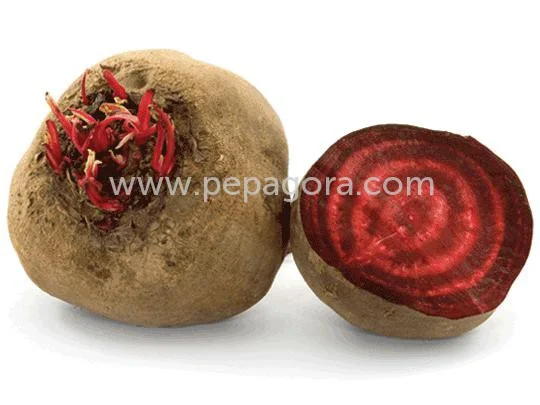
- Deep red to purple color, indicating high levels of betalains
- Smooth, round to oval shape, with a firm texture
3. Harvesting Time
- Typically harvested 55 to 70 days after planting
- Best flavor and texture when harvested young
4. Storage Conditions
- Requires cool, dark, and humid conditions for optimal shelf life
- Can be stored for several weeks when kept properly
5. pH Levels
- Grows best in slightly acidic to neutral pH (6.0 to 7.0)
- Sensitive to extreme pH levels which can affect growth and taste
6. Growth Requirements
- Prefers well-drained soil and full sunlight
- Tolerates a range of soil types but thrives in loamy soil
7. Shelf Life
- Fresh beetroot can last up to 2-3 weeks when stored correctly
- Processed forms like pickled or canned have an extended shelf life
8. Certification
- Certified organic options available, adhering to organic farming standards
In summary, beetroot is a nutrient-rich root vegetable with a variety of specifications that cater to both culinary and health applications.
𝗖𝗼𝗺𝗺𝗼𝗻 𝗔𝗽𝗽𝗹𝗶𝗰𝗮𝘁𝗶𝗼𝗻𝘀 𝗮𝗻𝗱 𝗨𝘀𝗲 𝗖𝗮𝘀𝗲𝘀
Beetroot serves various industries, enhancing product offerings and nutritional value.
1. Food and Beverage: Beetroot is widely used in juices, salads, soups, and as a natural colorant in food products. Its unique flavor profile makes it a popular choice for chefs and food manufacturers.
2. Health and Wellness: Many health supplements incorporate beetroot for its potential benefits, including improved stamina and cardiovascular health. It is frequently found in energy drinks and dietary supplements.
3. Agriculture: Beetroot is cultivated for both human consumption and livestock feed. Its fast growth rate and nutrient-rich profile make it a valuable crop for farmers.
4. Cosmetics: The natural pigments in beetroot are used in cosmetics and skincare products, particularly in natural colorants for lipsticks and blushes.
5. Pharmaceuticals: Beetroot extracts are explored for their health benefits, including anti-inflammatory properties, making them attractive for pharmaceutical applications.
6. Biofuels: Research is ongoing into using beetroot and its byproducts for biofuel production, offering a sustainable energy source.
𝗣𝗿𝗼𝗱𝘂𝗰𝘁 𝗩𝗮𝗿𝗶𝗮𝗻𝘁𝘀 𝗮𝗻𝗱 𝗦𝘂𝗯𝗰𝗮𝘁𝗲𝗴𝗼𝗿𝗶𝗲𝘀
Beetroot offers diversity in its varieties, catering to different market needs.
Red Beetroot
This is the most common variant, known for its deep red color and sweet taste. It is widely used in salads, juices, and as a natural food coloring agent.
Golden Beetroot
This variant features a vibrant yellow-orange color and a milder flavor compared to red beetroot. It is popular in gourmet cooking and offers a unique visual presentation in dishes.
Chioggia Beetroot
Also known as candy stripe beet, this variant has concentric rings of red and white. It is often used for decorative purposes in salads and provides a sweet flavor.
𝗕𝗲𝗻𝗲𝗳𝗶𝘁𝘀 𝗮𝗻𝗱 𝗔𝗱𝘃𝗮𝗻𝘁𝗮𝗴𝗲𝘀
Beetroot offers several key benefits that make it an attractive option for businesses and consumers.
1. Nutritional Value: Beetroot is highly nutritious, offering a wealth of vitamins and minerals essential for health.
2. Versatility: It can be used in various forms, including fresh, cooked, or juiced, appealing to different consumer preferences.
3. Natural Colorant: Its vibrant color provides a natural alternative to synthetic food dyes, aligning with the trend toward clean label products.
4. Health Benefits: Beetroot is associated with numerous health advantages, including improved cardiovascular health and increased stamina.
5. Sustainability: As a crop, beetroot is relatively easy to grow and can thrive in various climates, supporting sustainable agricultural practices.
6. Cost-Effective: Beetroot is generally affordable to produce and purchase, making it accessible to a wide range of consumers.
𝗕𝘂𝘆𝗶𝗻𝗴 𝗚𝘂𝗶𝗱𝗲 𝗳𝗼𝗿 𝗕𝟮𝗕 𝗕𝘂𝘆𝗲𝗿𝘀
When sourcing beetroot, consider the following factors to ensure successful procurement.
1. Quality Assessment: Look for suppliers who provide high-quality beetroot with consistent color and texture. Establish clear quality criteria based on nutritional content and appearance.
2. Supplier Verification: Vet suppliers thoroughly to ensure they meet industry standards. Check for certifications and previous client testimonials to assess reliability.
3. Pricing and MOQ: Understand the pricing structure and minimum order quantities (MOQ) to ensure alignment with your budget and inventory needs.
4. Delivery and Lead Times: Confirm logistics capabilities and lead times for delivery. This ensures that you can maintain stock levels without interruptions.
5. Compliance Requirements: Be aware of any regulatory requirements for sourcing and selling beetroot, including safety standards and certifications like CE.
𝗖𝗼𝗺𝗽𝗹𝗶𝗮𝗻𝗰𝗲 𝗮𝗻𝗱 𝗖𝗲𝗿𝘁𝗶𝗳𝗶𝗰𝗮𝘁𝗶𝗼𝗻𝘀
Beetroot is subject to various quality standards and regulations that ensure safety and compliance in the market. Relevant quality standards include ISO 9001, which sets out criteria for a quality management system, ensuring consistent product quality and customer satisfaction.
Additionally, certifications such as HACCP (Hazard Analysis Critical Control Point) are crucial in the food industry to manage food safety risks. The CE mark is another important certification that indicates compliance with European health, safety, and environmental protection standards.
Safety and testing requirements may vary by region, necessitating adherence to local regulations. Buyers should also consider regional compliance aspects, as guidelines for organic produce may differ across markets.
𝗪𝗵𝘆 𝗦𝗼𝘂𝗿𝗰𝗲 𝗕𝗲𝗲𝘁𝗿𝗼𝗼𝘁 𝗳𝗿𝗼𝗺 𝗣𝗲𝗽𝗮𝗴𝗼𝗿𝗮?
Pepagora provides a trusted platform for sourcing beetroot with several key advantages that enhance the procurement process.
Verified Supplier Network: Pepagora ensures that all suppliers in its network are thoroughly vetted, providing buyers with confidence in the quality and reliability of their purchases.
Streamlined RFQ Process: The platform offers a simplified request for quotation (RFQ) process, allowing buyers to quickly obtain quotes from multiple suppliers, facilitating informed decision-making.
Trade Assurance and Support: Buyers can benefit from trade assurance services, which protect their transactions and provide support throughout the buying process, ensuring satisfaction and security.
Regional Coverage: With a strong presence in India, the GCC, and Southeast Asia, Pepagora connects buyers with local and regional suppliers, making it easier to source beetroot tailored to specific market needs.
Newly Added


Recently Added
Alagarsamy Exporters
Organic Red Carrots Hygienical Fresh Vegetables Woven Bag
Organic Cherry Tomatoes Fresh Red Round Wooden Box
Fresh Organic Chow Chow Vegetables Hygienically Packed
Bharti Seeds Private Limited
Commercial Farming Meenakshi Hybrid Tomato Seeds For Distribution
Commercial High Yield Hybrid Tomato Seeds 80 90g Fruits Firm Transport Friendly
Hybrid Rekha Chilli Seeds Long Smooth Light Green High Yield
Vayalfresh Global Traders
Organic Fresh Purple Onions Medium Size 5Kg Box
Fresh Agriculture Grade Red Tomatoes In 5Kg Box Packaging
Fresh Lemons Agriculture Grade 5Kg Box Sour Citrus Fruit
Why Businesses Trust Pepagora
Thousands of companies trust Pepagora to source smarter and sell faster
Expand Your Sales Globally
25000+Products listed.Get discovered by global buyers
Tools to boost visibility
Build your own catalog

Source Smarter,Grow Faster
4000+Active RFQs
100+ Countries served
Easy Sourcing Tools
