
 IN
INundefined
Bay Leaf & Dill Weed
4 products available
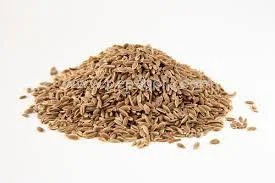
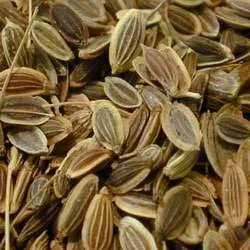
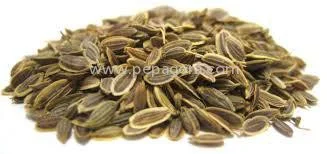
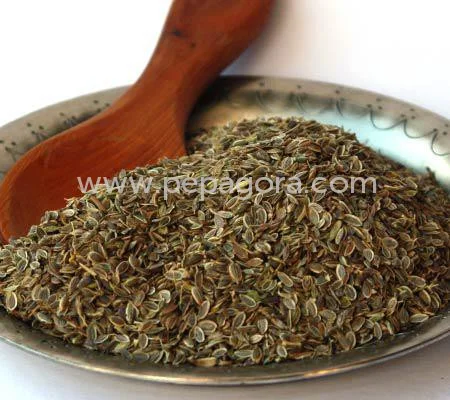
𝗪𝗵𝗮𝘁 𝗮𝗿𝗲 𝗕𝗮𝘆 𝗟𝗲𝗮𝗳 & 𝗗𝗶𝗹𝗹 𝗪𝗲𝗲𝗱?
Bay Leaf and Dill Weed are both popular culinary herbs used in various cuisines around the world. Bay Leaf, derived from the Laurus nobilis tree, is known for its aromatic leaves that impart a subtle flavor to dishes. Dill Weed, from the Anethum graveolens plant, features delicate fronds that offer a fresh, slightly tangy taste. Both herbs are typically used in dried form, which enhances their shelf life and makes them accessible for various applications.
These herbs are widely utilized in food production and preparation, serving as essential flavoring agents in soups, stews, marinades, and pickling processes. In the commercial food industry, they are often included in spice blends and seasonings, catering to both retail and food service sectors. The demand for these herbs has grown significantly due to their versatility and the increasing consumer preference for natural flavors over artificial additives.
In terms of industry relevance, Bay Leaf and Dill Weed occupy a significant position in the global culinary herb market. Their unique flavors contribute to the overall taste profile of countless dishes, making them staples in both home cooking and professional kitchens. The market for dried herbs is expected to grow, driven by rising health consciousness and the popularity of ethnic cuisines.
𝗞𝗲𝘆 𝗙𝗲𝗮𝘁𝘂𝗿𝗲𝘀 𝗮𝗻𝗱 𝗦𝗽𝗲𝗰𝗶𝗳𝗶𝗰𝗮𝘁𝗶𝗼𝗻𝘀
Bay Leaf and Dill Weed offer numerous features that make them desirable for various culinary applications. Understanding their specifications is crucial for businesses looking to incorporate these herbs into their products or menus.
Key specifications include:
1. Flavor Profile
- Bay Leaf provides a subtle, aromatic flavor with a hint of bitterness.
- Dill Weed has a fresh, slightly tangy taste that brightens dishes.
2. Form
- Available primarily in dried form to enhance shelf life and ease of use.
- Can be found in whole leaves or ground for convenience.
3. Packaging
- Typically packaged in bulk or retail sizes.
- Moisture-proof packaging to maintain freshness and prevent spoilage.
4. Shelf Life
- Dried Bay Leaf: up to 2-3 years when stored properly.
- Dried Dill Weed: typically lasts 1-2 years under proper conditions.
5. Origin
- Sourced from various regions, including Mediterranean climates for Bay Leaf.
- Dill is often grown in temperate zones, with key producers in Europe and Asia.
6. Certifications
- CE certification ensuring compliance with safety and quality standards.
7. Nutritional Content
- Bay Leaf is low in calories and contains essential oils and compounds beneficial for digestion.
- Dill Weed offers vitamins A and C, along with minerals like calcium and iron.
In summary, both Bay Leaf and Dill Weed are characterized by their distinct flavors, forms, and packaging options that cater to the needs of various industries.
𝗖𝗼𝗺𝗺𝗼𝗻 𝗔𝗽𝗽𝗹𝗶𝗰𝗮𝘁𝗶𝗼𝗻𝘀 𝗮𝗻𝗱 𝗨𝘀𝗲 𝗖𝗮𝘀𝗲𝘀
Bay Leaf and Dill Weed find applications across multiple industries, making them versatile ingredients in culinary practices.
1. Food Manufacturing: These herbs are integral to sauces, marinades, and seasoning blends, enhancing the flavor profile of processed foods.
2. Restaurant and Catering: Chefs utilize Bay Leaf and Dill Weed in a variety of dishes, from soups and stocks to salads and seafood, to elevate taste and presentation.
3. Retail: Dried herbs are packaged for consumer use, appealing to home cooks seeking to add flavor to their meals.
4. Pickling Industry: Dill Weed is especially popular in pickling applications, providing a characteristic taste to pickled vegetables.
5. Health and Wellness: Both herbs are recognized for their potential health benefits, leading to their inclusion in herbal teas and natural remedies.
6. Frozen and Dehydrated Foods: These herbs are often used in frozen meals and dehydrated products, maintaining flavor during storage and cooking.
7. Ethnic Cuisine: Bay Leaf and Dill Weed are staples in Mediterranean and Eastern European dishes, reflecting their cultural significance in various culinary traditions.
𝗣𝗿𝗼𝗱𝘂𝗰𝘁 𝗩𝗮𝗿𝗶𝗮𝗻𝘁𝘀 𝗮𝗻𝗱 𝗦𝘂𝗯𝗰𝗮𝘁𝗲𝗴𝗼𝗿𝗶𝗲𝘀
Bay Leaf and Dill Weed come in various forms, providing options for different culinary needs.
Dried Bay Leaf
This variant is the most common form used in cooking. Dried Bay Leaves are whole and retain their aromatic properties well, making them ideal for slow-cooked dishes where they can infuse flavor.
Dried Dill Weed
Available as whole fronds or ground, Dried Dill Weed is versatile for both seasoning and garnishing. Its fresh flavor makes it a popular choice in salads, dips, and dressings.
Organic Bay Leaf
Sourced from organically grown plants, this variant appeals to health-conscious consumers and businesses seeking natural ingredients without synthetic pesticides.
Organic Dill Weed
Similar to organic Bay Leaf, this variant is made from Dill grown without chemicals. It is favored by consumers interested in organic products for their health and environmental benefits.
𝗕𝗲𝗻𝗲𝗳𝗶𝘁𝘀 𝗮𝗻𝗱 𝗔𝗱𝘃𝗮𝗻𝘁𝗮𝗴𝗲𝘀
Sourcing Bay Leaf and Dill Weed offers several benefits that can enhance culinary experiences.
1. Flavor Enhancement: Both herbs add depth and complexity to dishes, making them more appealing to consumers.
2. Versatility: Bay Leaf and Dill Weed can be used in a wide range of cuisines and applications, from savory dishes to salads and dressings.
3. Long Shelf Life: Dried forms of these herbs have extended shelf lives, allowing for efficient inventory management and reduced waste.
4. Health Benefits: These herbs are rich in essential oils and nutrients, potentially contributing to overall health and wellness.
5. Natural Ingredients: The use of these herbs supports the growing trend towards natural and clean-label products, appealing to health-conscious consumers.
6. Cost-Effective: Incorporating dried herbs can enhance flavor without the need for expensive ingredients, providing cost savings for food manufacturers and restaurants.
𝗕𝘂𝘆𝗶𝗻𝗴 𝗚𝘂𝗶𝗱𝗲 𝗳𝗼𝗿 𝗕𝟮𝗕 𝗕𝘂𝘆𝗲𝗿𝘀
When sourcing Bay Leaf and Dill Weed, businesses should consider several important factors to ensure quality and suitability for their needs.
1. Quality Assessment: Look for suppliers that provide samples for quality evaluation. Check for aroma, color, and flavor to ensure they meet your standards.
2. Supplier Verification: Vet suppliers thoroughly by checking their certifications, reviews, and track record in the industry to ensure reliability.
3. Pricing and MOQ: Understand the pricing structure and minimum order quantities to ensure alignment with your budget and needs.
4. Delivery and Lead Times: Discuss logistics and lead times with suppliers to ensure timely delivery of products, especially for urgent orders.
5. Compliance Requirements: Ensure that the products meet local and international food safety standards and regulations to avoid compliance issues.
𝗖𝗼𝗺𝗽𝗹𝗶𝗮𝗻𝗰𝗲 𝗮𝗻𝗱 𝗖𝗲𝗿𝘁𝗶𝗳𝗶𝗰𝗮𝘁𝗶𝗼𝗻𝘀
Bay Leaf and Dill Weed must adhere to various quality standards to ensure safety and efficacy in culinary applications.
Relevant quality standards include ISO 9001, which outlines requirements for a quality management system, ensuring consistent quality in production processes. HACCP (Hazard Analysis Critical Control Point) is critical in identifying and mitigating potential food safety hazards throughout the supply chain.
Additionally, the CE certification indicates that the products meet European health, safety, and environmental protection standards. Businesses should also consider regional compliance requirements to ensure that their products meet local regulations.
Testing requirements may include microbial analysis and residue testing to guarantee the safety and quality of the herbs for consumption. Regular audits of suppliers can help maintain compliance with these standards.
𝗪𝗵𝘆 𝗦𝗼𝘂𝗿𝗰𝗲 𝗕𝗮𝘆 𝗟𝗲𝗮𝗳 & 𝗗𝗶𝗹𝗹 𝗪𝗲𝗲𝗱 𝗳𝗿𝗼𝗺 𝗣𝗲𝗽𝗮𝗴𝗼𝗿𝗮?
Pepagora provides a trusted platform for sourcing Bay Leaf and Dill Weed, offering several key advantages to B2B buyers.
Verified Supplier Network: Pepagora connects buyers with a network of verified suppliers who meet stringent quality and safety standards. This helps businesses easily find reliable sources for their herb needs.
Streamlined RFQ Process: The platform offers an efficient Request for Quotation (RFQ) system, allowing buyers to compare prices and products from multiple suppliers quickly and conveniently.
Trade Assurance and Support: Pepagora provides trade assurance measures, ensuring buyer protection and fostering confidence in transactions. This support gives businesses peace of mind when sourcing herbs.
Regional Coverage: With a strong presence in India, the GCC, and Southeast Asia, Pepagora facilitates access to a wide range of suppliers and products, making it easier for businesses to source Bay Leaf and Dill Weed from trusted sources across these regions.
Newly Added


Recently Added
Madex Business House
Organic Cumin Seeds High Grade Spicy Root For Food Pharma
Organic Cinnamon Root High Grade Spicy 100% Pure Long Shelf Life
Organic Long Pepper Root Spicy High Grade Black Seed
Rainbow Exim
Organic Raw Cashew Nuts High Nutritional Value Long Shelf Life
Organic Dried Cloves Rich Aroma High Nutritional Value
Organic Chilli Powder Rich Taste Long Shelf Life
M R Agro Industries
Bulk Organic Raw Sesame Seeds For Food Manufacturing
Organic Black Sesame Seeds Natural, Food Grade, Hygienic
Organic Hulled Sesame Seeds White Food Grade Hygienical
Jp exports
Premium Tapioca Starch Powder 99% Fineness 100% Purity Food Grade
Industrial Tapioca Starch Powder 99% Fineness 100% Purity
Industrial Corrugation Starch Gum Powder 99% Fineness 100% Purity
Why Businesses Trust Pepagora
Thousands of companies trust Pepagora to source smarter and sell faster
Expand Your Sales Globally
25000+Products listed.Get discovered by global buyers
Tools to boost visibility
Build your own catalog

Source Smarter,Grow Faster
4000+Active RFQs
100+ Countries served
Easy Sourcing Tools
