
 IN
INundefined
Basmati Rice
48 products available
𝗪𝗵𝗮𝘁 𝗮𝗿𝗲 𝗕𝗮𝘀𝗺𝗮𝘁𝗶 𝗥𝗶𝗰𝗲?
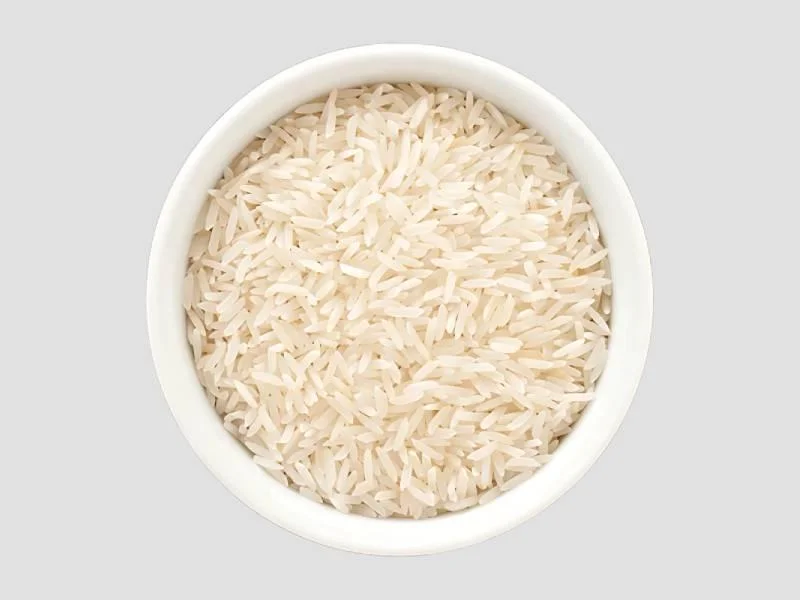
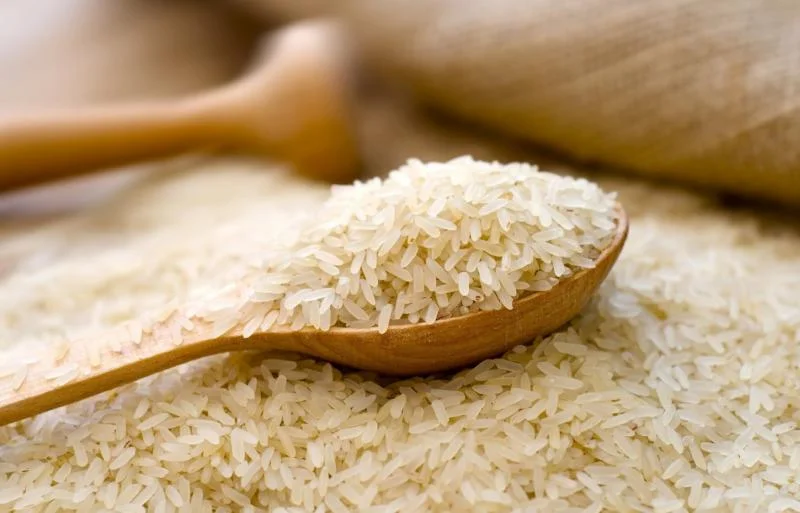
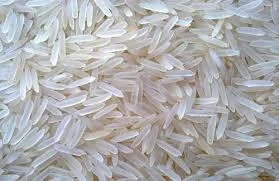
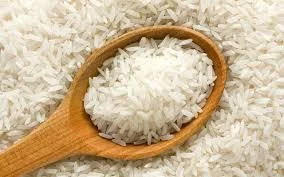
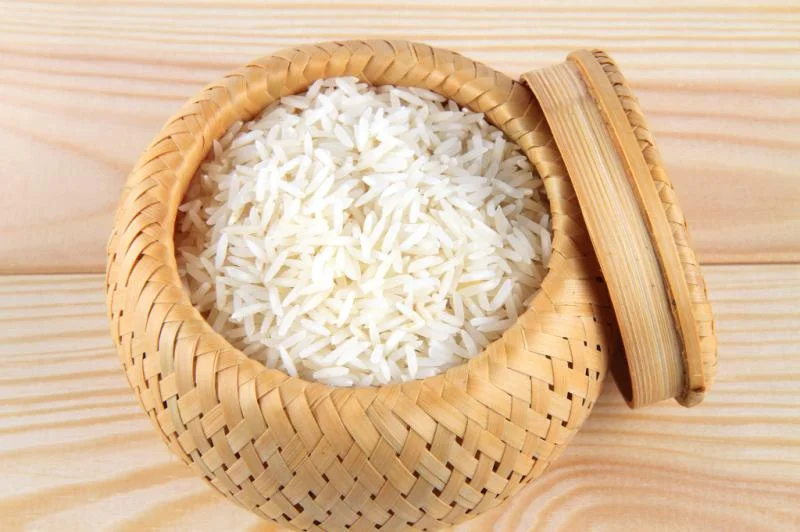
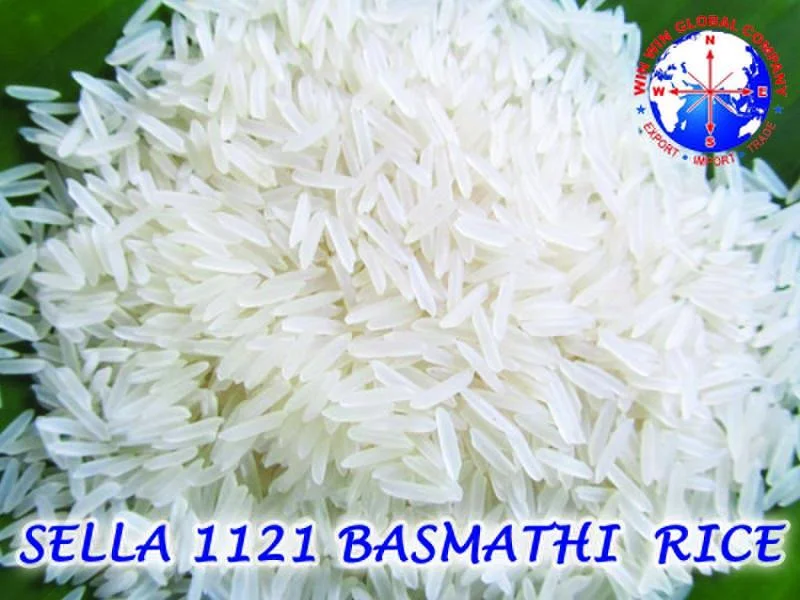
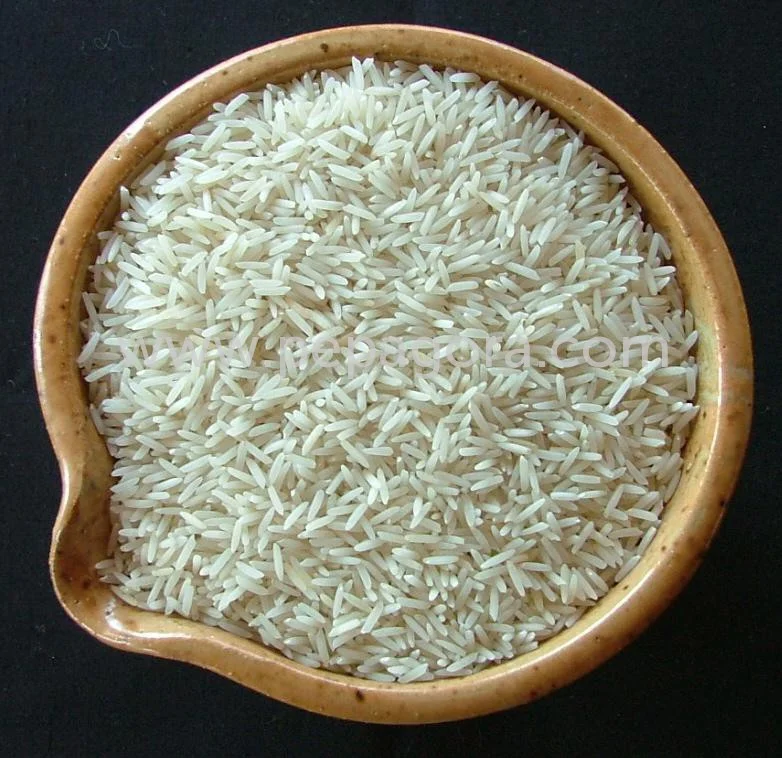
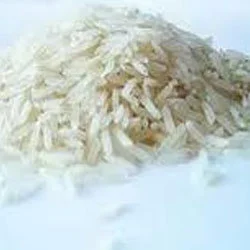
Basmati rice is a long-grain variety of rice known for its unique aroma and delicate flavor. Originating from the Indian subcontinent, it is primarily grown in the Himalayan regions of India and Pakistan. Basmati rice has a distinct texture that becomes fluffy and separate when cooked, making it a preferred choice for various culinary applications. The name "Basmati" means "fragrant" in Sanskrit, which reflects its appealing scent.
In the business context, Basmati rice is widely used in restaurants, catering services, and food processing industries. It is commonly featured in dishes such as biryani, pilaf, and various traditional Indian cuisines. The demand for Basmati rice has expanded globally, with many consumers seeking authentic and high-quality rice products. This has led to a growing market for Basmati rice, especially in regions with significant South Asian populations.
As the global market for premium grains increases, Basmati rice holds a prominent position due to its quality and distinctive characteristics. The rice is often subject to strict quality control measures, ensuring that it meets international standards. This relevance in the agricultural and food sectors makes Basmati rice a valuable product for businesses looking to cater to diverse consumer tastes.
𝗞𝗲𝘆 𝗙𝗲𝗮𝘁𝘂𝗿𝗲𝘀 𝗮𝗻𝗱 𝗦𝗽𝗲𝗰𝗶𝗳𝗶𝗰𝗮𝘁𝗶𝗼𝗻𝘀
Basmati rice offers several key features that make it a popular choice in the culinary world. Its unique characteristics and specifications are essential for businesses to understand when sourcing this product.
Key specifications include:
1. Grain Length
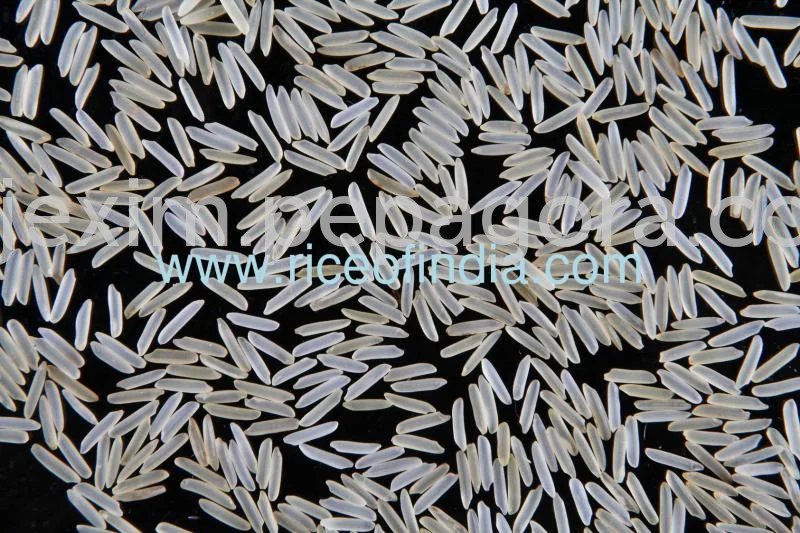
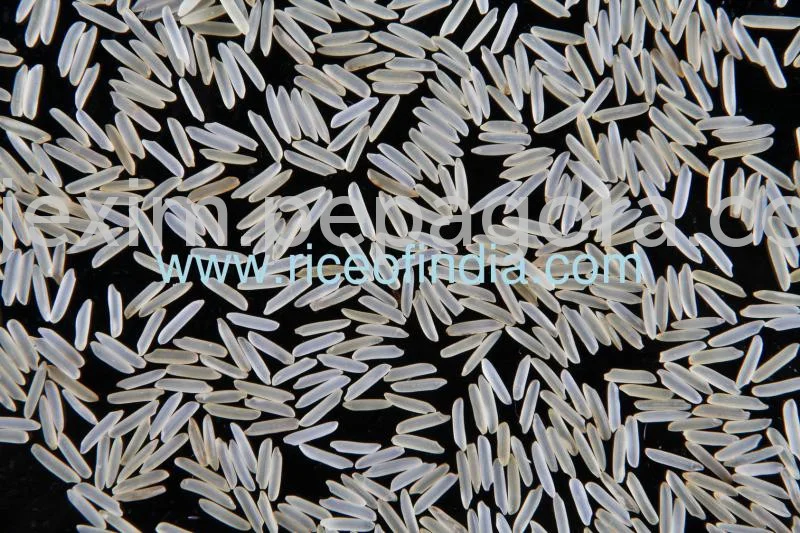
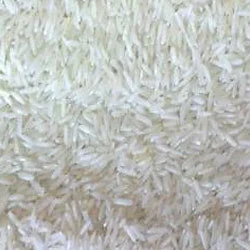
- Basmati rice grains are typically 6 to 8 mm long.
- The elongated structure contributes to its fluffy texture upon cooking.
2. Aroma
- Basmati rice is known for its distinct and fragrant aroma.
- It contains natural compounds that enhance its scent during cooking.
3. Cooking Time
- The average cooking time for Basmati rice ranges from 15 to 20 minutes.
- Proper soaking prior to cooking can improve texture and reduce cooking time.
4. Moisture Content
- Optimal moisture content for Basmati rice is around 12% to 14%.
- Maintaining this range is crucial for quality and shelf life.
5. Color
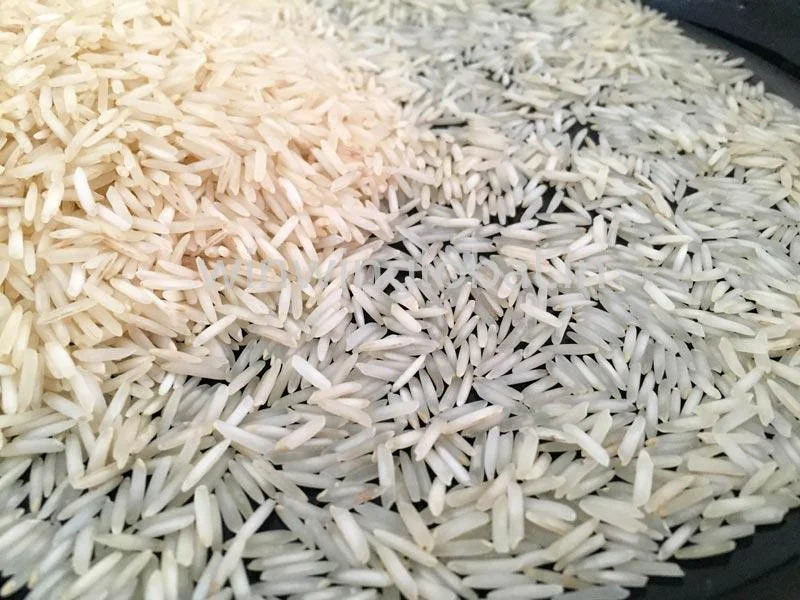
- Basmati rice is typically off-white to pale yellow.
- The color may vary slightly depending on the specific variety and processing techniques.
6. Nutritional Value
- Basmati rice is a good source of carbohydrates, with low fat content.
- It also provides essential vitamins and minerals.
7. Shelf Life
- Properly stored Basmati rice can last up to 1 year.
- It should be kept in a cool, dry place to prevent spoilage.
8. Packaging
- Basmati rice is commonly available in various packaging options, including bulk and retail sizes.
- Packaging should ensure protection against moisture and contaminants.
Understanding these specifications helps businesses ensure they are sourcing the right quality of Basmati rice for their needs.
𝗖𝗼𝗺𝗺𝗼𝗻 𝗔𝗽𝗽𝗹𝗶𝗰𝗮𝘁𝗶𝗼𝗻𝘀 𝗮𝗻𝗱 𝗨𝘀𝗲 𝗖𝗮𝘀𝗲𝘀
Basmati rice serves various industries, each utilizing its unique properties for different applications.
1. Food Service Industry: Restaurants and catering services use Basmati rice in traditional dishes such as biryani and pilaf. Its aroma and texture elevate the dining experience.
2. Retail Grocery: Supermarkets and specialty stores offer Basmati rice to consumers seeking high-quality grains for home cooking. Its popularity among health-conscious consumers drives sales.
3. Food Processing: Manufacturers of ready-to-eat meals and frozen foods incorporate Basmati rice for its cooking qualities and flavor, appealing to a broad range of consumers.
4. Export Markets: Basmati rice is a significant export product for countries like India and Pakistan. It is sought after in international markets, especially in the Middle East and Europe.
5. Organic and Health Food Sector: With increasing consumer interest in organic foods, Basmati rice is often available in organic variants, catering to health-conscious buyers.
6. Catering and Events: Basmati rice is a staple for catering large events due to its versatility and ability to complement various dishes.
7. Culinary Schools: Educational institutions use Basmati rice to teach students about different cooking techniques and the preparation of traditional dishes.
𝗣𝗿𝗼𝗱𝘂𝗰𝘁 𝗩𝗮𝗿𝗶𝗮𝗻𝘁𝘀 𝗮𝗻𝗱 𝗦𝘂𝗯𝗰𝗮𝘁𝗲𝗴𝗼𝗿𝗶𝗲𝘀
Basmati rice comes in several variants, each with its unique attributes, catering to diverse culinary needs.
Traditional Basmati Rice: This variant is renowned for its long grains and aromatic properties. It is often used in traditional Indian and Pakistani dishes, providing an authentic flavor profile.
Dubar Basmati Rice: Slightly shorter grains than traditional Basmati, Dubar rice is often more affordable. It is commonly used in everyday cooking and is popular for its good quality and value.
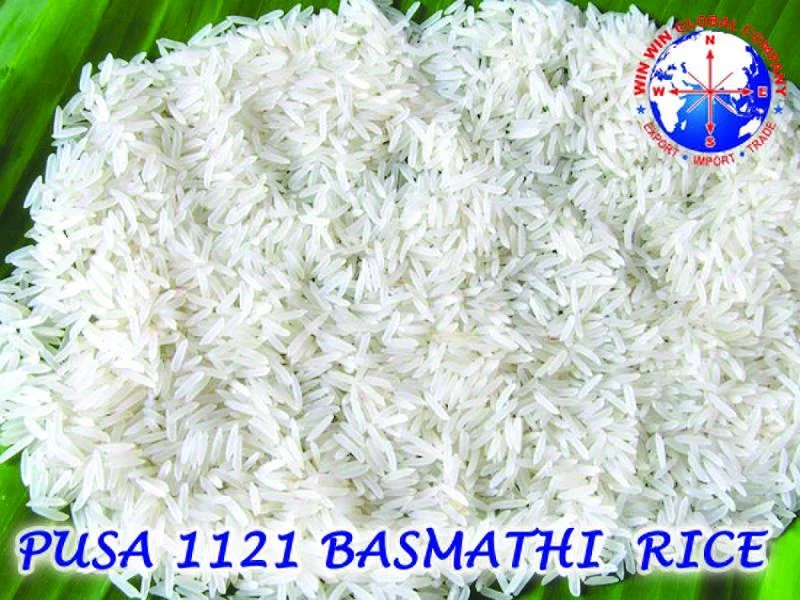
Pusa Basmati Rice: A hybrid variety, Pusa rice offers a similar aroma and texture to traditional Basmati. It has gained popularity for its high yield and disease resistance.
𝗕𝗲𝗻𝗲𝗳𝗶𝘁𝘀 𝗮𝗻𝗱 𝗔𝗱𝘃𝗮𝗻𝘁𝗮𝗴𝗲𝘀
Basmati rice offers numerous benefits that make it an appealing choice for businesses and consumers alike.
Key benefits include:
1. Superior Taste: Basmati rice is known for its rich flavor and delicate aroma, enhancing the overall culinary experience.
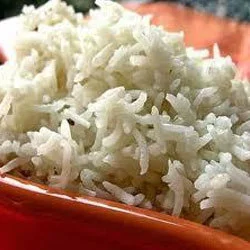
2. Fluffy Texture: When cooked, Basmati rice remains separate and fluffy, making it ideal for various dishes.
3. Nutritional Value: Basmati rice is low in fat and provides essential nutrients, making it a healthy option for consumers.
4. Culinary Versatility: Its unique properties allow Basmati rice to be used in a wide range of dishes, from savory to sweet.
5. Global Demand: The increasing popularity of ethnic cuisine has led to a growing market for Basmati rice, benefiting suppliers.
6. Easy to Cook: Basmati rice is relatively easy to prepare, making it a convenient choice for both home cooks and professional chefs.
𝗕𝘂𝘆𝗶𝗻𝗴 𝗚𝘂𝗶𝗱𝗲 𝗳𝗼𝗿 𝗕𝟮𝗕 𝗕𝘂𝘆𝗲𝗿𝘀
When sourcing Basmati rice, there are several critical factors to consider to ensure quality and reliability.
1. Quality Assessment: Evaluate the quality based on grain length, aroma, and moisture content. Look for samples to assess cooking performance.
2. Supplier Verification: Vet suppliers by checking their reputation, certifications, and compliance with industry standards to ensure reliability.
3. Pricing and MOQ: Understand the pricing structures and minimum order quantities. Compare quotes from multiple suppliers to find the best deal.
4. Delivery and Lead Times: Confirm lead times and delivery schedules to ensure timely supply for your operations.
5. Compliance Requirements: Ensure that suppliers meet all relevant regulatory standards for food safety and quality, including certifications like CE.
𝗖𝗼𝗺𝗽𝗹𝗶𝗮𝗻𝗰𝗲 𝗮𝗻𝗱 𝗖𝗲𝗿𝘁𝗶𝗳𝗶𝗰𝗮𝘁𝗶𝗼𝗻𝘀
Basmati rice must adhere to various quality standards to ensure safety and reliability in the market. Common standards include ISO 9001, which focuses on quality management systems, and HACCP, which addresses food safety. These certifications help guarantee that the rice is processed and handled according to strict safety guidelines.
Industry-specific certifications, such as CE, may also apply, depending on the region and market. Compliance with these standards is essential for businesses looking to maintain a reputation for quality and safety.
Additionally, regions may have specific compliance requirements governing agricultural products. Understanding these regulations is vital for suppliers and buyers to ensure that all products meet legal and safety standards.
𝗪𝗵𝘆 𝗦𝗼𝘂𝗿𝗰𝗲 𝗕𝗮𝘀𝗺𝗮𝘁𝗶 𝗥𝗶𝗰𝗲 𝗳𝗿𝗼𝗺 𝗣𝗲𝗽𝗮𝗴𝗼𝗿𝗮?
Pepagora provides a trusted platform for sourcing Basmati rice with several key advantages.
Verified Supplier Network: Pepagora works with a network of verified suppliers, ensuring that buyers receive high-quality products. Each supplier undergoes a thorough vetting process to maintain standards.
Streamlined RFQ Process: The platform simplifies the request for quotation (RFQ) process, allowing buyers to receive competitive quotes quickly and efficiently. This reduces time spent on sourcing and negotiation.
Trade Assurance and Support: Pepagora offers trade assurance services, providing buyers with protection throughout the purchasing process. This ensures peace of mind and support in case of disputes.
Regional Coverage: With a broad geographic reach that includes India, the GCC, and Southeast Asia, Pepagora connects buyers with suppliers across key markets. This extensive network provides access to a wide variety of Basmati rice products.
Newly Added





Recently Added
Win Win Global Company
Organic Drum Sticks Fresh Hygienical Green South Indian Foods
Organic Ladies Finger Fresh Hygienical South Indian Foods
Organic Fresh Coconuts For Food Industry South Indian Cuisine
Sri Overseas Export
Organic Fresh Red Onions Hygienic Packed On Time Delivery
Bulk Organic Coffee Beans Powder Hygienic Processed Rich Aroma
Organic Green Tea Powder Bulk Dried Leaves Rich Nutrients
Yogi Corporation
Premium Surti Kolam Rice Bulk Aromatic Soft Texture Export
Bulk Parboiled Rice Premium Nutrition Non Stick Texture
Premium Sona Masuri Rice Bulk Supply Non Sticky Aroma
PASKEY Farm Pvt Ltd
Industrial Evaporated Milk Sterilized Vacuum Pack QS Certified
Premium Bulk Loose Green Tea Stir Fried High Quality For
Organic Fresh Carrots Sliced Root Premium Quality
SAI IMPEX
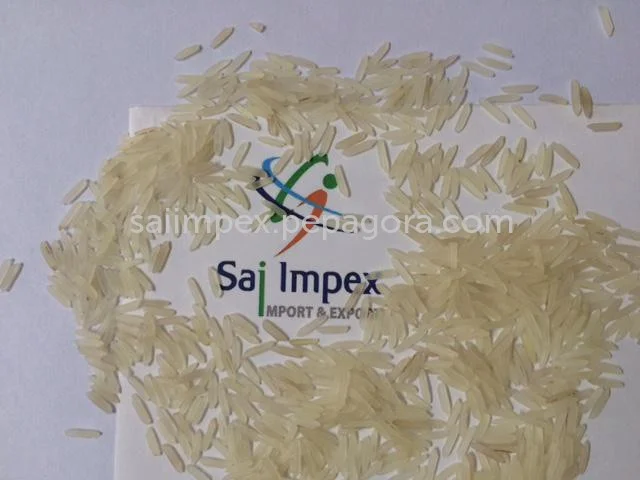
Organic Basmati Rice Long Grain 100% Purity 2% Broken
Premium Black Galaxy Granite Countertops Flooring Polished Cut To Size
Premium Kashmir White Granite Slabs Polished Cut To Size 2 3cm
Global Traders
Premium Organic Potatoes For Export Food Manufacturing
Premium Export Tomatoes Long Shelf Life Rich Flavor Supply
Organic Purple Brinjals Fresh Vegetables Long Shelf Life
Shivaraj Trading International
Organic Basmati Rice 100% Purity Low Broken Ratio
Black Sesame Seeds Raw 100% Pure Hygienic Food Industry
Premium Turkey Towels Quick Dry Soft For Kids Adults Home Hotel Sports
SVMA Exports
Organic Refined Rice Bran Oil Vacuum Packed For Cooking
Bulk Raw Cashew Nuts Dried High Protein Magnesium Food Industry
Premium Sesame Seeds For Baking And Food Manufacturing High In Iron
SK Organics
Premium Organic Basmati Rice Long Grain White 100% Purity
Premium Idli Rice Medium Grain White Dried Soft Texture
Bulk Premium Ponni Medium Grain White Rice For Hospitality
Sky Associates
Organic Black Chana Dal Dried Food Grade Long Shelf Life
Organic Kabuli Chana Dal Pure Hygienic Long Shelf Life
Organic Basmati Broken Rice 2% Admixture Long Shelf Life
Why Businesses Trust Pepagora
Thousands of companies trust Pepagora to source smarter and sell faster
Expand Your Sales Globally
25000+Products listed.Get discovered by global buyers
Tools to boost visibility
Build your own catalog

Source Smarter,Grow Faster
4000+Active RFQs
100+ Countries served
Easy Sourcing Tools
