
 IN
INundefined
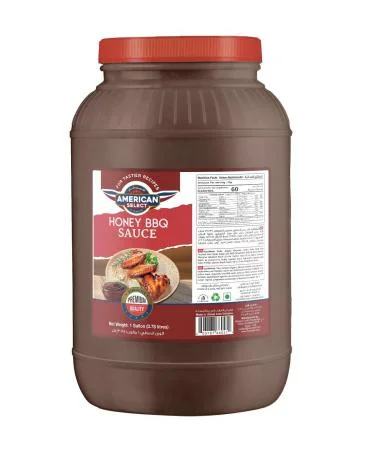
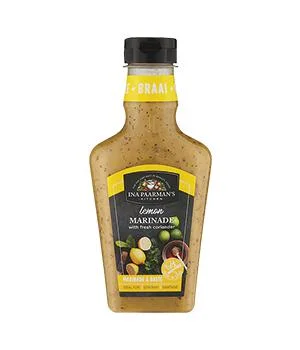
Barbecue Sauce
2 products available
𝗪𝗵𝗮𝘁 𝗮𝗿𝗲 𝗕𝗮𝗿𝗯𝗲𝗰𝘂𝗲 𝗦𝗮𝘂𝗰𝗲?
Barbecue sauce is a condiment used primarily for grilling and barbecuing meats. It typically features a combination of ingredients such as tomatoes, vinegar, sugar, and various spices. The sauce can vary significantly in flavor, consistency, and heat level, depending on regional preferences and recipes. Barbecue sauce enhances the taste of grilled foods and serves as a marinade or dipping sauce.
In business applications, barbecue sauce is a staple in the food service industry, including restaurants, catering services, and food manufacturers. It plays a vital role in enhancing the flavor profile of grilled dishes, making it a popular choice among chefs and food enthusiasts. The barbecue sauce market continues to grow as consumers seek out diverse flavors and high-quality ingredients, driving demand across various sectors.
The relevance of barbecue sauce in the food industry is significant. With trends leaning toward barbecue culture and outdoor cooking, businesses are increasingly incorporating sauces into their menus and product lines. As a result, the market has seen innovations, including organic and specialty sauces, appealing to health-conscious consumers. Understanding the dynamics of this industry can help businesses make informed sourcing decisions.
𝗞𝗲𝘆 𝗙𝗲𝗮𝘁𝘂𝗿𝗲𝘀 𝗮𝗻𝗱 𝗦𝗽𝗲𝗰𝗶𝗳𝗶𝗰𝗮𝘁𝗶𝗼𝗻𝘀
Barbecue sauce comes with a range of features and specifications that cater to different business needs. Understanding these specifications is essential for B2B buyers to ensure they select the right product for their applications.
Key specifications include:
1. Flavor Profile
- Sweet, tangy, spicy, or smoky varieties available
- Tailored formulations to meet specific culinary needs
2. Packaging Options
- Available in bulk containers, pouches, and bottles
- Customizable labels for branding purposes
3. Shelf Life
- Typically ranges from 6 months to 2 years depending on formulation
- Storage conditions can affect longevity
4. Ingredient Quality
- Made with high-quality, natural ingredients
- Options for organic and gluten-free formulations
5. Consistency
- Varied thickness to suit different applications
- Smooth or chunky textures available
6. Nutritional Information
- Low-sugar, low-calorie, and allergen-free options
- Detailed labeling for dietary considerations
7. Compliance Standards
- Meets food safety regulations
- Certifications such as CE may apply
8. Customization Options
- Ability to create unique flavors for private labels
- Tailored spice levels for different markets
In summary, understanding the specifications of barbecue sauce allows businesses to align their product offerings with customer preferences and regulatory requirements.
𝗖𝗼𝗺𝗺𝗼𝗻 𝗔𝗽𝗽𝗹𝗶𝗰𝗮𝘁𝗶𝗼𝗻𝘀 𝗮𝗻𝗱 𝗨𝘀𝗲 𝗖𝗮𝘀𝗲𝘀
Barbecue sauce serves various industries, enhancing flavor and appeal in numerous culinary applications.
1. Food Service Industry: Restaurants and catering businesses utilize barbecue sauce as a key ingredient in marinades, glazes, and dipping sauces, providing customers with flavorful options.
2. Retail Food Products: Grocery stores and specialty food shops stock barbecue sauce as a staple item, catering to consumers looking for convenient grilling solutions.
3. Food Manufacturing: Food manufacturers incorporate barbecue sauce into pre-packaged meals, snacks, and sauces, enhancing the flavor of their products.
4. Food Trucks and Street Vendors: Mobile vendors often feature barbecue sauce in their offerings, appealing to customers seeking quick and tasty meal options.
5. Hospitality Sector: Hotels and event venues use barbecue sauce in their catering services, enhancing the dining experience for guests.
6. Outdoor Cooking and Grilling: Backyard grilling enthusiasts and barbecue competitions rely on quality sauces to elevate their cooking, making it a popular consumer product.
7. Health-Conscious Brands: Companies focusing on health and wellness are exploring low-sugar and organic barbecue sauces to meet the growing demand for healthier options.
𝗣𝗿𝗼𝗱𝘂𝗰𝘁 𝗩𝗮𝗿𝗶𝗮𝗻𝘁𝘀 𝗮𝗻𝗱 𝗦𝘂𝗯𝗰𝗮𝘁𝗲𝗴𝗼𝗿𝗶𝗲𝘀
Barbecue sauce comes in a variety of forms, catering to diverse tastes and culinary needs. This product diversity allows businesses to select the right variant for their applications.
Sweet and Tangy Barbecue Sauce
This variant features a balanced blend of sweetness and acidity, making it ideal for grilled meats. It offers a versatile flavor that pairs well with chicken, pork, and beef.
Spicy Barbecue Sauce
Designed for those who enjoy heat, this sauce incorporates chili peppers or hot sauce to deliver a fiery kick. It's perfect for adding depth to grilled dishes.
Smoky Barbecue Sauce
Infused with smoke flavor, this variant provides a rich, deep taste reminiscent of traditional barbecue methods. It is often used in slow-cooked or smoked meats.
Organic Barbecue Sauce
Made with organic ingredients, this variant attracts health-conscious consumers. It provides a clean label option without artificial preservatives or additives.
Low-Sugar Barbecue Sauce
This variant caters to those monitoring their sugar intake, offering a flavorful experience without excess sweetness. It is suitable for health-focused food products.
𝗕𝗲𝗻𝗲𝗳𝗶𝘁𝘀 𝗮𝗻𝗱 𝗔𝗱𝘃𝗮𝗻𝘁𝗮𝗴𝗲𝘀
Sourcing barbecue sauce offers numerous benefits for businesses looking to enhance their culinary offerings.
Key benefits include:
1. Flavor Enhancement: Barbecue sauce significantly boosts the taste of grilled and smoked meats, making it an essential ingredient for chefs and food manufacturers.
2. Versatility: This condiment can be used in various applications, from marinades to dips, allowing businesses to create diverse menu items.
3. Consumer Appeal: High-quality barbecue sauce aligns with consumer trends toward flavorful and convenient meal options, driving sales.
4. Customization: The ability to create unique flavors and formulations enables businesses to differentiate their products in a competitive market.
5. Shelf Stability: Many barbecue sauces have long shelf lives, making them practical for inventory management and reducing waste.
6. Compliance and Quality Assurance: Sourcing from reputable suppliers ensures adherence to food safety regulations and quality standards, safeguarding brand reputation.
𝗕𝘂𝘆𝗶𝗻𝗴 𝗚𝘂𝗶𝗱𝗲 𝗳𝗼𝗿 𝗕𝟮𝗕 𝗕𝘂𝘆𝗲𝗿𝘀
When sourcing barbecue sauce, it’s essential for businesses to consider several factors to ensure they make informed purchasing decisions.
1. Quality Assessment: Evaluate the ingredients and overall quality of the sauce. Look for natural, high-quality components and consider requesting samples for testing.
2. Supplier Verification: Vet suppliers to ensure they have a good reputation and adhere to food safety standards. Checking customer reviews and certifications can provide insight into their reliability.
3. Pricing and MOQ: Understand the pricing structure and minimum order quantities (MOQ) required by suppliers. This information helps in budgeting and inventory planning.
4. Delivery and Lead Times: Inquire about delivery schedules and lead times. Timely delivery is crucial for maintaining stock levels and meeting customer demand.
5. Compliance Requirements: Ensure that the barbecue sauce meets all necessary regulatory and compliance standards, including labeling and food safety requirements.
𝗖𝗼𝗺𝗽𝗹𝗶𝗮𝗻𝗰𝗲 𝗮𝗻𝗱 𝗖𝗲𝗿𝘁𝗶𝗳𝗶𝗰𝗮𝘁𝗶𝗼𝗻𝘀
Barbecue sauce must adhere to relevant quality standards and certifications to ensure safety and quality for consumers.
Common quality standards include ISO 9001, which focuses on maintaining quality management systems. Compliance with HACCP (Hazard Analysis and Critical Control Points) ensures that food safety hazards are identified and managed throughout the production process.
Industry certifications like CE indicate that the product meets European health, safety, and environmental protection standards.
Safety and testing requirements are critical in ensuring the product is free from contaminants and safe for consumption. Additionally, businesses must consider regional compliance, as regulations may vary by country or region, affecting labeling and ingredient standards.
𝗪𝗵𝘆 𝗦𝗼𝘂𝗿𝗰𝗲 𝗕𝗮𝗿𝗯𝗲𝗰𝘂𝗲 𝗦𝗮𝘂𝗰𝗲 𝗳𝗿𝗼𝗺 𝗣𝗲𝗽𝗮𝗴𝗼𝗿𝗮?
Pepagora provides a trusted platform for sourcing barbecue sauce with several key advantages that make it a preferred choice for B2B buyers.
Verified Supplier Network: Pepagora has established a network of verified suppliers who meet stringent quality and compliance standards. This reduces the risk associated with sourcing and ensures quality products.
Streamlined RFQ Process: The platform offers a streamlined request for quotation (RFQ) process that allows buyers to easily compare offers from multiple suppliers. This efficiency saves time and helps secure the best pricing.
Trade Assurance and Support: Buyers benefit from trade assurance services that protect their purchases, ensuring they receive quality products as promised. Customer support is readily available to address any concerns.
Regional Coverage: With a broad geographic reach covering India, the GCC, and Southeast Asia, Pepagora connects buyers with suppliers across multiple regions, facilitating easier access to diverse barbecue sauce options.
















Why Businesses Trust Pepagora
Thousands of companies trust Pepagora to source smarter and sell faster
Expand Your Sales Globally
25000+Products listed.Get discovered by global buyers
Tools to boost visibility
Build your own catalog

Source Smarter,Grow Faster
4000+Active RFQs
100+ Countries served
Easy Sourcing Tools
