
 IN
INundefined
Bag Loading Conveyors
34 products available
𝗪𝗵𝗮𝘁 𝗮𝗿𝗲 𝗕𝗮𝗴 𝗟𝗼𝗮𝗱𝗶𝗻𝗴 𝗖𝗼𝗻𝘃𝗲𝘆𝗼𝗿𝘀?
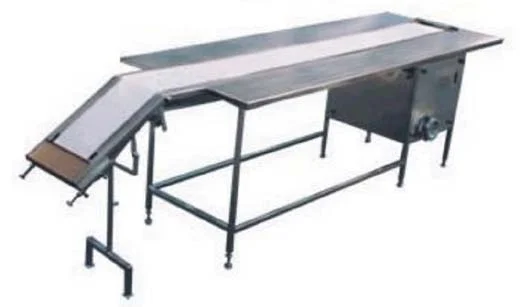
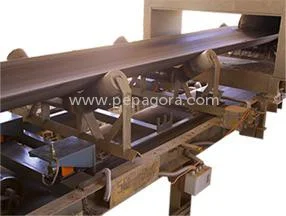
Bag loading conveyors are specialized equipment designed to automate the process of loading bags onto trucks, pallets, or storage units. These conveyors streamline the movement of products, significantly improving efficiency in warehouse and shipping operations. By utilizing a series of belts, rollers, and chutes, bag loading conveyors facilitate the quick and safe transfer of goods, reducing manual handling and minimizing the risk of worker injuries.
Primarily, bag loading conveyors are used in industries such as food and beverage, agriculture, chemicals, and logistics. They are essential for operations that involve bulk material handling, where speed and accuracy are crucial. Businesses leverage these conveyors to enhance productivity, optimize floor space, and ensure that their operations run smoothly. In a market increasingly focused on automation and efficiency, bag loading conveyors play a vital role in modern supply chain management.
With the rise of e-commerce and the need for rapid order fulfillment, the demand for bag loading conveyors has increased. Companies are investing in advanced conveyor systems to maintain competitive edge and respond to growing customer expectations. As industries evolve, bag loading conveyors remain relevant, providing versatile solutions for various material handling needs.
𝗞𝗲𝘆 𝗙𝗲𝗮𝘁𝘂𝗿𝗲𝘀 𝗮𝗻𝗱 𝗦𝗽𝗲𝗰𝗶𝗳𝗶𝗰𝗮𝘁𝗶𝗼𝗻𝘀
Bag loading conveyors come with several key features that make them suitable for diverse applications. These features enhance their performance and adaptability to different operational requirements.
Key specifications include:
1. Load Capacity
- Designed to handle varying weights of bags.
- Typical ranges can accommodate loads from 50 kg to over 1000 kg.
2. Conveyor Length
- Available in multiple lengths to fit different layouts.
- Standard lengths range from 3 meters to 12 meters.
3. Speed Variability
- Adjustable speeds to cater to specific loading rates.
- Speed settings can range from 5 to 30 meters per minute.
4. Material Construction
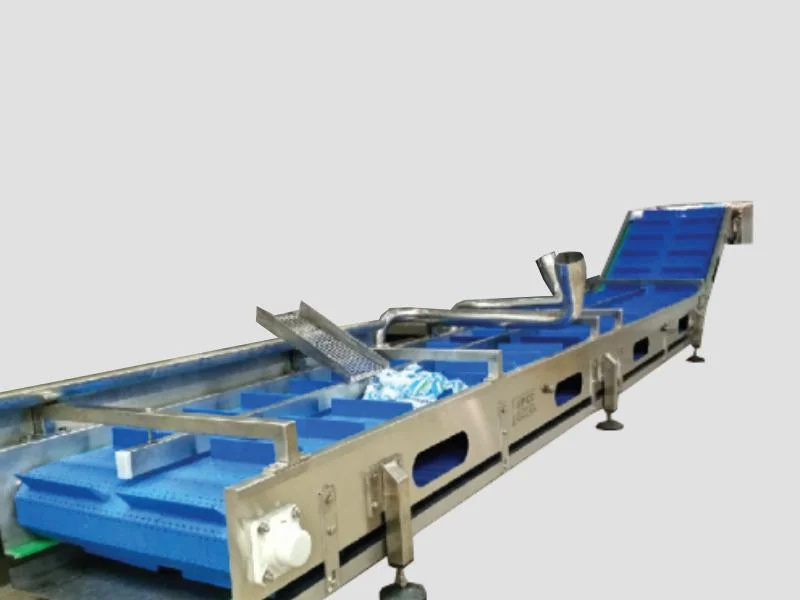
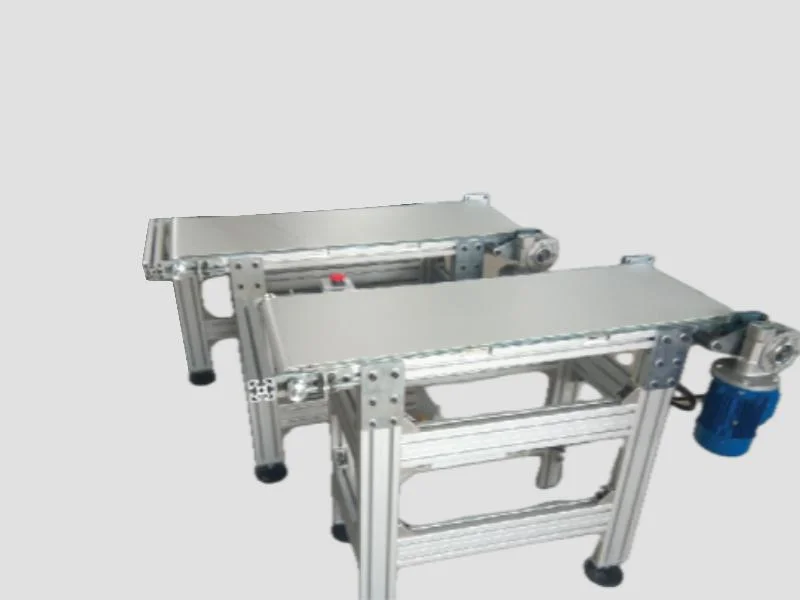
- Constructed from durable materials such as stainless steel or aluminum.
- Corrosion-resistant options are available for specific environments.
5. Energy Efficiency
- Designed to minimize energy consumption during operation.
- Equipped with energy-efficient motors.
6. Safety Features
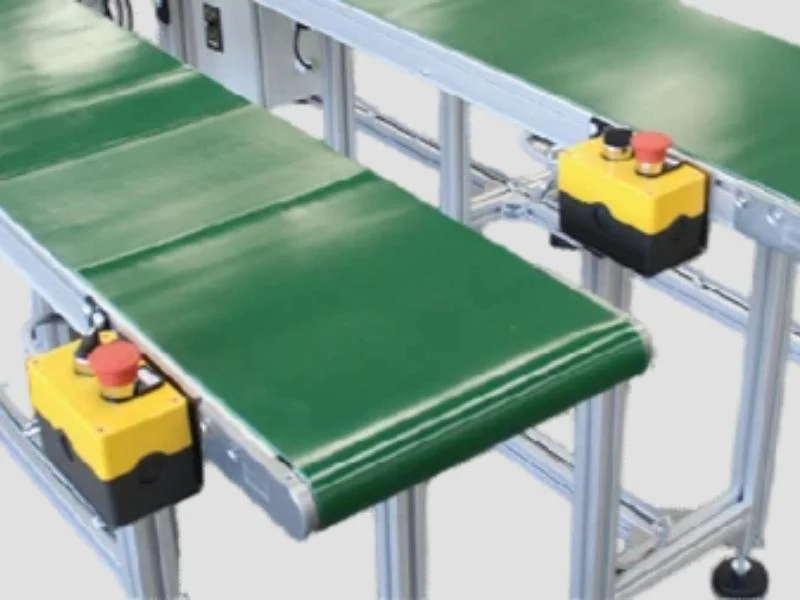
- Includes emergency stop buttons and safety guards.
- Complies with industry safety standards for operator protection.
7. Customization Options
- Can be tailored to meet specific operational needs.
- Features such as adjustable heights and incline options are available.
8. Control Systems
- Integrated control systems for ease of operation.
- Options for manual or automated controls depending on user preference.
These specifications highlight the versatility and functionality of bag loading conveyors, making them a valuable investment for businesses looking to improve their logistics processes.
𝗖𝗼𝗺𝗺𝗼𝗻 𝗔𝗽𝗽𝗹𝗶𝗰𝗮𝘁𝗶𝗼𝗻𝘀 𝗮𝗻𝗱 𝗨𝘀𝗲 𝗖𝗮𝘀𝗲𝘀
Bag loading conveyors are utilized across various sectors, demonstrating their versatility and effectiveness.
1. Food and Beverage: In this industry, bag loading conveyors are used to transport packaged food items to shipping areas, ensuring quick and hygienic handling of products.
2. Agriculture: Farmers and distributors use bag loading conveyors to move bags of fertilizers, seeds, and grains efficiently, enhancing productivity during peak seasons.
3. Chemicals: Chemical manufacturers deploy bag loading conveyors to safely handle and transport bags of powdered or granular chemicals, minimizing risks associated with manual handling.
4. Pharmaceuticals: In pharmaceutical settings, these conveyors facilitate the loading of medicine bags into shipping containers, ensuring compliance with strict regulatory requirements.
5. Construction: Construction materials such as cement and sand are often transported using bag loading conveyors, improving logistical efficiency on job sites.
6. Retail: Retailers utilize bag loading conveyors for moving packaged goods from storage to loading docks, helping streamline the supply chain.
7. Waste Management: These conveyors assist in the efficient loading of waste bags for transport to disposal facilities, promoting effective waste management practices.
𝗣𝗿𝗼𝗱𝘂𝗰𝘁 𝗩𝗮𝗿𝗶𝗮𝗻𝘁𝘀 𝗮𝗻𝗱 𝗦𝘂𝗯𝗰𝗮𝘁𝗲𝗴𝗼𝗿𝗶𝗲𝘀
Bag loading conveyors come in a range of configurations to suit different operational needs.
Standard Bag Loading Conveyor
This variant is designed for general applications, featuring a robust construction that allows for efficient loading of various bag sizes. It is commonly used in warehouses and distribution centers.
Inclined Bag Loading Conveyor
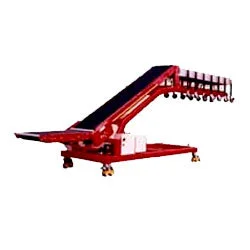
Engineered with an inclined design, this variant helps in loading bags onto higher platforms or trucks. It is ideal for operations where vertical movement is required.
Heavy-Duty Bag Loading Conveyor
This variant caters to businesses needing to handle larger loads, featuring reinforced structures and higher load capacities. It is suitable for heavy materials like construction supplies.
Portable Bag Loading Conveyor
Designed for flexibility, this variant can be easily moved between different loading areas. It is perfect for companies with multiple loading docks or varying operational sites.
𝗕𝗲𝗻𝗲𝗳𝗶𝘁𝘀 𝗮𝗻𝗱 𝗔𝗱𝘃𝗮𝗻𝘁𝗮𝗴𝗲𝘀
Bag loading conveyors offer numerous advantages to businesses looking to enhance their operations.
Key benefits include:
1. Increased Efficiency: Automating the loading process significantly reduces the time taken to move products, allowing for faster turnaround times.
2. Reduced Labor Costs: With conveyors handling the loading tasks, businesses can minimize labor costs associated with manual labor.
3. Improved Safety: By reducing manual handling, bag loading conveyors lower the risk of workplace injuries, promoting a safer work environment.
4. Enhanced Accuracy: These systems improve the accuracy of loading, reducing the chances of errors and product damage during transportation.
5. Space Optimization: Bag loading conveyors help maximize floor space by streamlining the flow of goods, thus improving overall warehouse organization.
6. Customization: Many conveyors can be tailored to fit specific operational needs, providing flexibility in various applications.
𝗕𝘂𝘆𝗶𝗻𝗴 𝗚𝘂𝗶𝗱𝗲 𝗳𝗼𝗿 𝗕𝟮𝗕 𝗕𝘂𝘆𝗲𝗿𝘀
When sourcing bag loading conveyors, buyers should consider several critical factors to ensure a suitable investment.
1. Quality Assessment: Evaluate the quality of materials and manufacturing processes. Look for conveyors that meet industry standards and demonstrate durability in demanding environments.
2. Supplier Verification: Vet potential suppliers thoroughly. Check for customer reviews, industry reputation, and compliance with safety and quality certifications.
3. Pricing and MOQ: Understand the pricing structure and minimum order quantities. Compare costs across suppliers while considering the specifications and features offered.
4. Delivery and Lead Times: Inquire about delivery schedules and lead times. Timely delivery is crucial for maintaining operational efficiency.
5. Compliance Requirements: Ensure that the conveyors comply with relevant regulatory standards and certifications specific to your industry.
𝗖𝗼𝗺𝗽𝗹𝗶𝗮𝗻𝗰𝗲 𝗮𝗻𝗱 𝗖𝗲𝗿𝘁𝗶𝗳𝗶𝗰𝗮𝘁𝗶𝗼𝗻𝘀
Bag loading conveyors must adhere to various quality standards and regulations to ensure safety and efficiency. Commonly recognized standards include ISO 9001, which specifies requirements for quality management systems, and HACCP, which focuses on food safety management.
Industry certifications such as CE are crucial, indicating that the product meets European safety standards. Additionally, bag loading conveyors may be subject to safety and testing requirements to ensure compliance with local regulations.
Buyers should also consider regional compliance, as different countries may have specific requirements. Ensuring that your chosen conveyors meet these standards is essential for avoiding legal issues and ensuring safe operation.
𝗪𝗵𝘆 𝗦𝗼𝘂𝗿𝗰𝗲 𝗕𝗮𝗴 𝗟𝗼𝗮𝗱𝗶𝗻𝗴 𝗖𝗼𝗻𝘃𝗲𝘆𝗼𝗿𝘀 𝗳𝗿𝗼𝗺 𝗣𝗲𝗽𝗮𝗴𝗼𝗿𝗮?
Pepagora offers a reliable platform for businesses seeking bag loading conveyors, providing several key advantages that enhance the sourcing experience.
Verified Supplier Network: Pepagora connects buyers with verified suppliers, ensuring that all listed manufacturers meet stringent quality and safety standards. This helps mitigate risks associated with sourcing.
Streamlined RFQ Process: The platform simplifies the request for quotation process, allowing buyers to easily compare offerings and select the best options for their needs. This efficiency saves time and enhances decision-making.
Trade Assurance and Support: Pepagora provides buyer protection through trade assurance programs. This ensures that transactions are secure, and buyers receive the support they need throughout the procurement process.
Regional Coverage: With a strong presence in markets such as India, the GCC, and Southeast Asia, Pepagora offers extensive regional coverage. This geographic reach enables businesses to access a diverse range of suppliers and products tailored to local needs.
By choosing Pepagora, businesses can confidently source bag loading conveyors, ensuring they are well-equipped to enhance their operational efficiency.
Newly Added











Recently Added
Sai Systems
Industrial Mild Steel Screw Conveyors For Bulk Material Handling
Heavy Duty Turf Conveyor For Mining Agriculture Logistics Bulk Material Transport
Industrial Turf Conveyor Systems For Heavy Duty Material Handling
Bright Engineering
Industrial Rubber Finishing Machine Automated Precision Trimming
Industrial Fabric Slitting Machine For High Volume Textile Processing
Industrial Heavy Duty Gantry Cranes With Robust Beam And Wheel Rails
IPA India Pvt Ltd
Industrial Automatic Batching System PLC SCADA Steel High Performance
Industrial Solid Flow Meter With Heat Resistant Steel And Dual Loadcells
Heavy Duty Crane Scales 500Kg Steel Manual Lifting Red LED Display
Ashirwad Enterprises
Pharmaceutical Lab Automatic External Vial Washing Machine GMP Compliant
Automatic Linear Bottle Rinsing Machine For Beverages Pharmaceuticals Chemicals
Pharmaceutical Liquid Filling Machine For Ampules Vials Bottles
Anmol Pharma Equipments
Industrial Conveyors For Material Handling: Durable & Efficient
Automated CIP Vessel Systems For Tanks, Mixers, Blenders & IBC Bins
Industrial Filling Vessels For Precise Liquid Dispensing In Pharma
Essem Fabricators
Industrial Belt Conveyors For Cartons And Gunny Bags With Aluminum Frame
Industrial Material Handling Durable CNC Chip Trolleys For Manufacturing
Industrial Racks Premium Sturdy High Capacity Storage Solutions
B.Tex India/B.Impex
Premium Blowroom Spare Parts For Rieter Trutzschler Lakshmi NSE
Textile Draw Frame Steel Galvanized 130mm 2800rpm OEM
Trutzschler Trumac Carding Spares DK740 DK760 DK780 DK803 DK903
Vibha Belting Company
Industrial Material Handling Cut Edge Conveyor Belts Durable Grip
Industrial Timing Pulleys For Precision Power Transmission High Torque
Packaging Conveyor Belts 9 Inch Wide PVC Coated Canvas Table Top
Bajaj Steel Industries Limited
Industrial Cotton Seed Cleaner 5 TPH Durable Steel Sieve Technology
Cotton Ginning Machinery Double Roller High Efficiency CNC Precision
Cotton Ginning Auto Feeder For Productivity Boost & Energy Efficiency
A 1 Packaging Solution
Industrial High Speed POF Shrink Pack System For Secure Product Bundling
Compact Shrink Chamber Machine For High Speed Tamper Proof Packaging
Rotary Shrink Sleeving Machine For Bottles Jars Containers High Speed
Why Businesses Trust Pepagora
Thousands of companies trust Pepagora to source smarter and sell faster
Expand Your Sales Globally
25000+Products listed.Get discovered by global buyers
Tools to boost visibility
Build your own catalog

Source Smarter,Grow Faster
4000+Active RFQs
100+ Countries served
Easy Sourcing Tools
