
 IN
INundefined
Axles & Axle Components
4 products available
𝗪𝗵𝗮𝘁 𝗮𝗿𝗲 𝗔𝘅𝗹𝗲𝘀 & 𝗔𝘅𝗹𝗲 𝗖𝗼𝗺𝗽𝗼𝗻𝗲𝗻𝘁𝘀?
Axles and axle components are critical mechanical parts used in vehicles and machinery to support loads and facilitate movement. An axle is a central shaft that rotates wheels or gears, while axle components may include bearings, seals, and housings that ensure smooth operation. These parts are essential for transferring power from the engine to the wheels, thereby enabling locomotion in various types of vehicles.
The primary uses of axles and axle components span across multiple industries, including automotive, construction, agriculture, and transportation. They are integral to the functionality of trucks, trailers, and heavy machinery, allowing for efficient movement and load-bearing capabilities. Businesses rely on high-quality axles and components to ensure the longevity and reliability of their vehicles and equipment.
In today's competitive market, the demand for durable and efficient axles and axle components continues to grow. With advancements in technology, manufacturers are constantly innovating to enhance performance and reduce operational costs. Companies looking to source these components must consider various factors, including quality standards and supplier reliability, to ensure they meet industry requirements.
𝗞𝗲𝘆 𝗙𝗲𝗮𝘁𝘂𝗿𝗲𝘀 𝗮𝗻𝗱 𝗦𝗽𝗲𝗰𝗶𝗳𝗶𝗰𝗮𝘁𝗶𝗼𝗻𝘀
Axles and axle components come with a variety of features and specifications that cater to different applications. Understanding these specifications is essential for businesses looking to make informed purchasing decisions.
Key specifications include:
1. Material Type
- Common materials include steel and aluminum.
- Strength and weight considerations are critical for performance.
2. Load Capacity
- This specification indicates the maximum weight the axle can support.
- Load capacities typically range from several hundred to several thousand pounds.
3. Dimensions
- Axles come in various lengths and diameters based on application needs.
- Precision in sizing is crucial for proper fit and function.
4. Bearing Type
- Options include tapered roller bearings and ball bearings.
- Each type offers different performance characteristics and load handling.
5. Finish
- Surface treatments can include galvanizing or powder coating.
- Finishes enhance corrosion resistance and durability.
6. Compliance Standards
- Many axles adhere to industry standards such as ISO or CE.
- Compliance ensures safety and reliability in operation.
7. Design Configuration
- Axles can be designed in single or tandem configurations.
- The choice affects stability and load distribution.
8. Connection Type
- Common connection types include welded, bolted, or integrated designs.
- The connection method impacts assembly and maintenance.
In summary, understanding the key features and specifications of axles and axle components is essential for selecting the right products for specific applications.
𝗖𝗼𝗺𝗺𝗼𝗻 𝗔𝗽𝗽𝗹𝗶𝗰𝗮𝘁𝗶𝗼𝗻𝘀 𝗮𝗻𝗱 𝗨𝘀𝗲 𝗖𝗮𝘀𝗲𝘀
Axles and axle components are utilized in various industries, each requiring unique specifications and capabilities.
1. Automotive: In the automotive sector, axles are fundamental components of vehicles, supporting the weight and enabling smooth movement. They are used in cars, trucks, and buses.
2. Construction: Heavy machinery, such as excavators and bulldozers, relies on robust axles to manage substantial loads and navigate challenging terrains. These applications demand high durability and performance.
3. Agriculture: Tractors and other farming equipment utilize axles for towing and supporting implements. The reliability of these components is crucial for efficient agricultural operations.
4. Transportation: Trucks and trailers depend on axles to deliver goods safely and efficiently. Fleet operators prioritize high-quality axles for longevity and reduced maintenance costs.
5. Railroads: Axles play a vital role in rail transport, ensuring stability and safety for trains. Specialized designs are used to meet the unique requirements of rail systems.
6. Industrial Equipment: Many types of industrial machinery use axles for movement and load-bearing. The specifications often vary based on the application, requiring careful selection.
7. Recreational Vehicles: Axles in RVs and trailers must provide smooth handling and stability. These components are designed for both road and off-road conditions.
𝗣𝗿𝗼𝗱𝘂𝗰𝘁 𝗩𝗮𝗿𝗶𝗮𝗻𝘁𝘀 𝗮𝗻𝗱 𝗦𝘂𝗯𝗰𝗮𝘁𝗲𝗴𝗼𝗿𝗶𝗲𝘀
Axles and axle components come in a variety of designs to meet the diverse needs of different applications.
Heavy-Duty Axles
Heavy-duty axles are designed for robust applications, such as construction and mining equipment. They feature high load capacities and durability to withstand extreme conditions.
Lightweight Axles
These axles are made from materials like aluminum to reduce weight while maintaining strength. They are commonly used in automotive and recreational applications where efficiency is key.
Specialty Axles
Specialty axles are customized for specific functions, such as those used in electric vehicles or specialized machinery. These may incorporate unique materials or design features tailored to unique operational demands.
𝗕𝗲𝗻𝗲𝗳𝗶𝘁𝘀 𝗮𝗻𝗱 𝗔𝗱𝘃𝗮𝗻𝘁𝗮𝗴𝗲𝘀
Sourcing high-quality axles and axle components offers several benefits to businesses.
1. Enhanced Durability: High-quality axles are built to withstand wear and tear, ensuring long-term performance and reduced replacement costs.
2. Improved Efficiency: Well-designed axles contribute to smoother operation, enhancing overall vehicle efficiency and reducing energy consumption.
3. Safety Assurance: Reliable axles are essential for safe vehicle operation, minimizing the risk of failures and accidents.
4. Customization Options: Many suppliers offer customizable solutions to meet specific application requirements, allowing for tailored performance.
5. Industry Compliance: Sourcing from reputable manufacturers ensures adherence to industry standards, promoting safety and reliability.
6. Cost-Effectiveness: Investing in quality axles can lead to lower maintenance costs and increased operational efficiency, resulting in better overall value.
𝗕𝘂𝘆𝗶𝗻𝗴 𝗚𝘂𝗶𝗱𝗲 𝗳𝗼𝗿 𝗕𝟮𝗕 𝗕𝘂𝘆𝗲𝗿𝘀
When sourcing axles and axle components, it is crucial for B2B buyers to consider several key factors to ensure they make informed decisions.
1. Quality Assessment: Evaluate the quality standards of the axles and components. Look for certifications and compliance with industry regulations to ensure reliable performance.
2. Supplier Verification: Vet suppliers to confirm their reputation and reliability. Research customer reviews and verify their track record in delivering quality products.
3. Pricing and MOQ: Understand the pricing structure and minimum order quantities. It's essential to balance cost with quality to ensure a good return on investment.
4. Delivery and Lead Times: Inquire about delivery schedules and lead times to align with project timelines. Reliable suppliers should provide clear information on expected delivery dates.
5. Compliance Requirements: Familiarize yourself with the regulatory requirements relevant to your industry. Ensure that the products you source meet these standards to avoid potential issues.
𝗖𝗼𝗺𝗽𝗹𝗶𝗮𝗻𝗰𝗲 𝗮𝗻𝗱 𝗖𝗲𝗿𝘁𝗶𝗳𝗶𝗰𝗮𝘁𝗶𝗼𝗻𝘀
Compliance with industry standards and certifications is vital in the manufacturing of axles and axle components. Quality standards such as ISO 9001 ensure that manufacturers maintain consistent quality in production processes. This certification signifies a commitment to quality management systems, which is crucial for reliability.
Additionally, certifications such as CE indicate that products meet European safety, health, and environmental protection standards. These certifications help buyers assess the credibility of suppliers and the safety of their products.
Safety and testing requirements also play a significant role in the production of axles. Manufacturers must conduct rigorous testing to ensure that their components can withstand the stresses encountered in real-world applications. Furthermore, regional compliance considerations may vary, so it is essential for buyers to understand the specific requirements in their operating areas.
𝗪𝗵𝘆 𝗦𝗼𝘂𝗿𝗰𝗲 𝗔𝘅𝗹𝗲𝘀 & 𝗔𝘅𝗹𝗲 𝗖𝗼𝗺𝗽𝗼𝗻𝗲𝗻𝘁𝘀 𝗳𝗿𝗼𝗺 𝗣𝗲𝗽𝗮𝗴𝗼𝗿𝗮?
Pepagora offers a trusted platform for sourcing axles and axle components, providing numerous advantages to B2B buyers.
Verified Supplier Network: Pepagora partners with a network of verified suppliers, ensuring that buyers have access to high-quality components from reputable manufacturers. This network helps streamline the sourcing process and builds confidence in supplier reliability.
Streamlined RFQ Process: The platform features a user-friendly request for quotation (RFQ) system that simplifies the process of obtaining quotes from multiple suppliers. This enables buyers to compare prices and specifications effectively.
Trade Assurance and Support: Pepagora provides trade assurance and support, protecting buyers from potential risks. This includes assistance with negotiations and ensuring that transactions are secure and efficient.
Regional Coverage: With a broad geographic reach encompassing India, the GCC, and Southeast Asia, Pepagora connects buyers to a diverse range of suppliers. This extensive coverage allows for better sourcing options tailored to regional market needs.
Newly Added


Recently Added
Arvind Engineers
OEM Steering Column Brackets For Ford Maruti Suzuki Tata EPS Hydraulic
Premium TATA INDICA Mounting Brackets And Clamps For Automotive OEMs
OEM Steering Column Mounting Bracket For Maruti Wagon R
A. B. Spring Company
Industrial Barrel Springs High Quality Durable Components
Industrial Extension Springs High Quality Energy Storage Tension
Industrial Center Tension Springs Hot Forged Alloy Steel Heavy Load
COSMO TECK
Heavy Duty Air Compressor For European American Japanese Korean Trucks
Premium Auto Cabin Cylinders For Trucks And Commercial Vehicles
Heavy Duty Cabin Pump For MAN DAF Volvo Scania Mercedes Benz Trucks
Oriental Plants Equipments Pvt Ltd
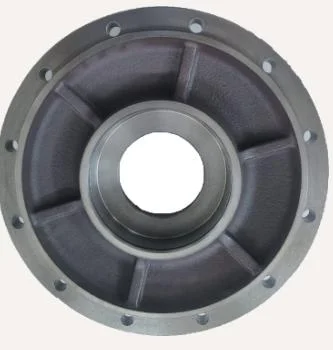
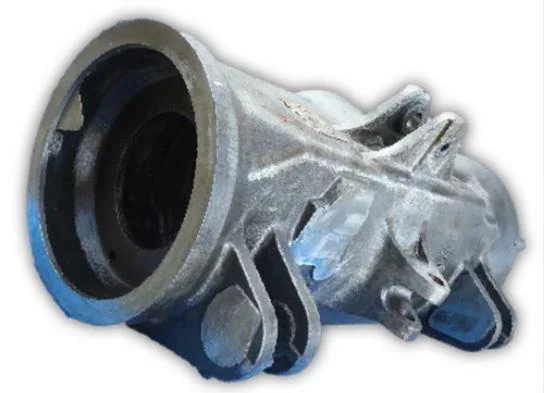
Heavy Duty Axle Housing For Automotive Industrial Vehicles Durable Precision Engineering
Industrial Brass Weld Neck Front Flange 6 Inch Pipe Connection
Industrial Machinery Brass Vertical Member LH RH Structural Support
Why Businesses Trust Pepagora
Thousands of companies trust Pepagora to source smarter and sell faster
Expand Your Sales Globally
25000+Products listed.Get discovered by global buyers
Tools to boost visibility
Build your own catalog

Source Smarter,Grow Faster
4000+Active RFQs
100+ Countries served
Easy Sourcing Tools
