
 IN
INundefined
Avocados
2 products available
𝗪𝗵𝗮𝘁 𝗮𝗿𝗲 𝗔𝘃𝗼𝗰𝗮𝗱𝗼𝘀?
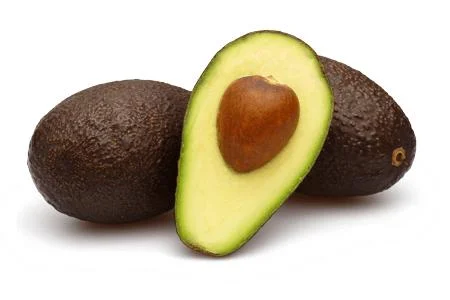
Avocados are a nutrient-rich fruit known for their creamy texture and high healthy fat content, primarily monounsaturated fats. They are grown on trees belonging to the Lauraceae family and are native to Central and South America. Avocados are often classified as a berry and are typically green or black in color, depending on the variety. They have a unique flavor profile that makes them a popular ingredient in a variety of dishes, including salads, dips, and desserts.
In the business context, avocados are widely used in food service industries, catering, and retail markets. They are a staple in health-focused restaurants and are increasingly featured in supermarkets due to growing consumer interest in healthy eating. The rise in popularity of avocados is also attributed to their versatility, as they can be incorporated into both savory and sweet recipes. With the increasing demand for fresh produce, avocados hold significant importance in the agricultural market.
Avocados are relevant in various industrial sectors, such as food and beverage, health and wellness, and cosmetics. The global market for avocados has seen substantial growth, driven by consumer trends favoring natural and organic products. This growth has led to increased cultivation and export opportunities, positioning avocados as a key product in the agricultural economy.
𝗞𝗲𝘆 𝗙𝗲𝗮𝘁𝘂𝗿𝗲𝘀 𝗮𝗻𝗱 𝗦𝗽𝗲𝗰𝗶𝗳𝗶𝗰𝗮𝘁𝗶𝗼𝗻𝘀
Avocados possess several key features and specifications that enhance their appeal in the market. When sourcing avocados, buyers should be aware of the following specifications to ensure they meet quality and market standards.
Key specifications include:
1. Variety
- Common varieties include Hass, Fuerte, and Bacon.
- Each variety has unique characteristics in taste, texture, and appearance.
2. Size
- Avocados are typically categorized by weight, ranging from small (around 200 grams) to large (over 400 grams).
- Size can affect pricing and marketability.
3. Ripeness
- Avocados should be sold at various stages of ripeness to accommodate different consumer needs.
- The firmness and color are critical indicators of ripeness.
4. Shelf Life
- Fresh avocados have a shelf life of around 7-10 days when stored properly.
- Proper handling and storage conditions can extend this period.
5. Nutritional Content
- Avocados are high in healthy fats, vitamins, and minerals.
- They are a good source of potassium, vitamin E, and dietary fiber.
6. Packaging
- Avocados are typically packaged in bulk for wholesale or retail distribution.
- Packaging should protect the fruit from damage and maintain freshness.
7. Certification
- Many avocados are certified organic or adhere to specific quality standards.
- Certifications can influence consumer purchasing decisions.
8. Compliance with Food Safety Standards
- Avocados should meet safety standards such as HACCP and CE certifications.
- This ensures the product is safe for consumption and meets regulatory requirements.
In summary, these features and specifications play a crucial role in determining the quality and marketability of avocados, ensuring that businesses can meet consumer demand effectively.
𝗖𝗼𝗺𝗺𝗼𝗻 𝗔𝗽𝗽𝗹𝗶𝗰𝗮𝘁𝗶𝗼𝗻𝘀 𝗮𝗻𝗱 𝗨𝘀𝗲 𝗖𝗮𝘀𝗲𝘀
Avocados serve various industries, showcasing their versatility and wide-ranging applications.
1. Food and Beverage: Avocados are commonly used in restaurants and cafes for dishes such as guacamole, salads, and smoothies. Their creamy texture makes them an ideal ingredient in many recipes.
2. Health and Wellness: With their high nutrient content, avocados are popular in health-focused products, including snacks and meal replacements. They are often marketed as a superfood due to their health benefits.
3. Cosmetics: Avocado oil is increasingly used in skincare products due to its moisturizing properties. Many beauty brands incorporate avocado extracts into creams, lotions, and hair care products.
4. Retail: Avocados are frequently sold in supermarkets and grocery stores, where they are marketed as fresh produce. Retailers often provide information on ripeness and usage to help consumers select the best fruit.
5. Food Processing: Avocados are used in the food processing industry to create various products, including avocado oil, spreads, and frozen goods. These processed items are gaining popularity among health-conscious consumers.
6. Catering Services: Caterers often use avocados in their menu planning, as they appeal to diverse dietary preferences. Their versatility allows for creative presentations in event catering.
7. Export Markets: Many countries engage in the export of avocados, capitalizing on the growing international demand. This trade supports local economies and agricultural sectors.
𝗣𝗿𝗼𝗱𝘂𝗰𝘁 𝗩𝗮𝗿𝗶𝗮𝗻𝘁𝘀 𝗮𝗻𝗱 𝗦𝘂𝗯𝗰𝗮𝘁𝗲𝗴𝗼𝗿𝗶𝗲𝘀
Avocados come in various types, each with distinct characteristics that cater to different consumer preferences.
Hass Avocado: This is the most popular variety, known for its dark green to black skin when ripe. It has a creamy texture and rich flavor, making it a favorite for guacamole and spreads.
Fuerte Avocado: This variant has a smooth, green skin and a slightly milder taste compared to Hass. It is often used in salads and as a topping due to its firm flesh.
Bacon Avocado: This type is less oily than other varieties and has a lighter flavor. It is suitable for those who prefer a less rich avocado experience in their dishes.
𝗕𝗲𝗻𝗲𝗳𝗶𝘁𝘀 𝗮𝗻𝗱 𝗔𝗱𝘃𝗮𝗻𝘁𝗮𝗴𝗲𝘀
Sourcing avocados provides several key benefits to businesses in various industries.
1. Nutritional Value: Avocados are packed with essential nutrients, including healthy fats, vitamins, and minerals, appealing to health-conscious consumers.
2. Versatility: Their adaptability allows avocados to be used in a wide range of dishes, from savory to sweet, making them a staple in many culinary applications.
3. Market Demand: The rising popularity of avocados means there is a growing market, providing opportunities for businesses to capitalize on consumer trends.
4. Profit Margins: Avocados can offer favorable profit margins due to their premium pricing in health and wellness markets.
5. Seasonal Availability: With proper sourcing, businesses can access avocados year-round, ensuring a steady supply for their needs.
6. Sustainable Sourcing: Many consumers prioritize sustainably sourced avocados, enhancing brand reputation and customer loyalty when businesses adhere to ethical sourcing practices.
𝗕𝘂𝘆𝗶𝗻𝗴 𝗚𝘂𝗶𝗱𝗲 𝗳𝗼𝗿 𝗕𝟮𝗕 𝗕𝘂𝘆𝗲𝗿𝘀
When sourcing avocados, businesses should consider several important factors to ensure they make informed purchasing decisions.
1. Quality Assessment: Buyers should evaluate avocados based on firmness, color, and overall appearance. Quality criteria can impact customer satisfaction and repeat purchases.
2. Supplier Verification: Vetting suppliers is essential to ensure they meet quality standards and ethical practices. Buyers should look for suppliers with a good reputation and reliable logistics.
3. Pricing and MOQ: Understanding the cost structure and minimum order quantities is crucial for budgeting and inventory management. Buyers should compare prices across suppliers to find the best value.
4. Delivery and Lead Times: Timely delivery is important for maintaining stock levels. Buyers should discuss lead times with suppliers to ensure they align with business needs.
5. Compliance Requirements: Buyers need to be aware of any regulatory requirements for importing or selling avocados, including food safety standards and certifications.
𝗖𝗼𝗺𝗽𝗹𝗶𝗮𝗻𝗰𝗲 𝗮𝗻𝗱 𝗖𝗲𝗿𝘁𝗶𝗳𝗶𝗰𝗮𝘁𝗶𝗼𝗻𝘀
Avocados must adhere to various compliance and certification standards to ensure product safety and quality. Relevant quality standards such as ISO 9001 and HACCP are essential for suppliers to demonstrate their commitment to maintaining high production standards.
Industry certifications like CE are important for assuring buyers of product safety and compliance with European standards. Avocados should also meet safety and testing requirements to avoid contamination and ensure consumer health.
Additionally, regional compliance considerations may vary depending on the market. Buyers should be aware of specific regulations in their country or region to ensure compliance and avoid potential penalties.
𝗪𝗵𝘆 𝗦𝗼𝘂𝗿𝗰𝗲 𝗔𝘃𝗼𝗰𝗮𝗱𝗼𝘀 𝗳𝗿𝗼𝗺 𝗣𝗲𝗽𝗮𝗴𝗼𝗿𝗮?
Pepagora provides a trusted platform for sourcing avocados with several key advantages for buyers.
Verified Supplier Network: Pepagora offers access to a network of verified suppliers, ensuring quality and reliability. This allows businesses to source avocados confidently, knowing they meet necessary standards.
Streamlined RFQ Process: The platform simplifies the request for quotation process, enabling buyers to compare offers from multiple suppliers quickly. This efficiency saves time and helps in making informed purchasing decisions.
Trade Assurance and Support: Pepagora prioritizes buyer protection through trade assurance programs. This gives businesses peace of mind when sourcing products, knowing they are backed by support if issues arise.
Regional Coverage: With a strong presence in regions like India, GCC, and Southeast Asia, Pepagora connects buyers with suppliers in diverse markets. This regional reach enables businesses to explore new opportunities and expand their sourcing options.















Why Businesses Trust Pepagora
Thousands of companies trust Pepagora to source smarter and sell faster
Expand Your Sales Globally
25000+Products listed.Get discovered by global buyers
Tools to boost visibility
Build your own catalog

Source Smarter,Grow Faster
4000+Active RFQs
100+ Countries served
Easy Sourcing Tools
