
 IN
INundefined
Automatic Drain Valves
35 products available
𝗪𝗵𝗮𝘁 𝗮𝗿𝗲 𝗔𝘂𝘁𝗼𝗺𝗮𝘁𝗶𝗰 𝗗𝗿𝗮𝗶𝗻 𝗩𝗮𝗹𝘃𝗲𝘀?
Automatic drain valves are essential components in various industrial systems, designed to eliminate condensate and other unwanted fluids from compressed air systems, tanks, and pipelines automatically. By utilizing specific mechanisms, these valves open and close at predetermined intervals or under certain conditions to ensure optimal performance and prevent water accumulation, which can lead to corrosion or system inefficiencies.
These valves find primary applications in industries such as manufacturing, food and beverage processing, and HVAC systems. In these settings, automatic drain valves help maintain system efficiency, reduce maintenance costs, and prolong equipment lifespan by ensuring that condensate is effectively removed without manual intervention. Their relevance spans various sectors, making them a critical aspect of modern industrial operations where fluid management is essential.
𝗞𝗲𝘆 𝗙𝗲𝗮𝘁𝘂𝗿𝗲𝘀 𝗮𝗻𝗱 𝗦𝗽𝗲𝗰𝗶𝗳𝗶𝗰𝗮𝘁𝗶𝗼𝗻𝘀
Automatic drain valves come equipped with several features and specifications that enhance their performance and reliability. Understanding these technical details is crucial for businesses looking to implement these valves effectively in their operations.
Key specifications include:
1. Flow Rate
- Determines the volume of fluid that can pass through the valve per minute
- Common ranges vary by model and application
2. Operating Pressure
- Indicates the pressure range within which the valve operates effectively
- Typically between 0.5 to 16 bar for various industrial applications
3. Temperature Tolerance
- Defines the temperature limits the valve can withstand
- Specifications may vary; data not available for specific ranges
4. Valve Type
- Includes options such as solenoid-operated or float-operated valves
- Each type has distinct advantages depending on the application
5. Body Material
- Common materials include brass, stainless steel, and plastic
- Selected based on the fluid type and environmental conditions
6. Electrical Requirements
- Specifies the voltage and power needs for electrically operated valves
- Typically ranges from 12V to 240V
7. Certification
- Many valves come with industry certifications such as CE
- Ensures compliance with safety and quality standards
In summary, understanding these specifications allows businesses to select the right automatic drain valve that meets their operational needs while ensuring reliability and efficiency.
𝗖𝗼𝗺𝗺𝗼𝗻 𝗔𝗽𝗽𝗹𝗶𝗰𝗮𝘁𝗶𝗼𝗻𝘀 𝗮𝗻𝗱 𝗨𝘀𝗲 𝗖𝗮𝘀𝗲𝘀
Automatic drain valves serve a wide range of industries, playing a crucial role in fluid management and system efficiency.
1. Manufacturing: In manufacturing plants, these valves help manage condensate in air compressors, ensuring that moisture does not affect product quality or equipment reliability.
2. Food and Beverage Processing: In this industry, automatic drain valves are vital for maintaining hygiene and preventing contamination by continuously removing excess water and ensuring proper drainage in production equipment.
3. HVAC Systems: In heating, ventilation, and air conditioning systems, these valves assist in managing condensate drainage, preventing water damage, and ensuring system efficiency.
4. Pharmaceutical Industry: Automatic drain valves are used to maintain clean environments by managing condensate in production and storage areas, ensuring compliance with strict regulations.
5. Power Generation: In power plants, these valves help manage condensate in turbine systems, enhancing efficiency and minimizing downtime during maintenance.
6. Oil and Gas: In this sector, automatic drain valves ensure that fluids are efficiently managed in pipelines and storage tanks, reducing the risk of contamination and improving operational safety.
7. Water Treatment: These valves are used in water treatment facilities to manage excess fluids, ensuring that processes run smoothly without interruptions.
𝗣𝗿𝗼𝗱𝘂𝗰𝘁 𝗩𝗮𝗿𝗶𝗮𝗻𝘁𝘀 𝗮𝗻𝗱 𝗦𝘂𝗯𝗰𝗮𝘁𝗲𝗴𝗼𝗿𝗶𝗲𝘀
Automatic drain valves come in various forms to cater to different industrial needs. This diversity allows businesses to choose the best option based on their specific applications.
Solenoid-Operated Automatic Drain Valves
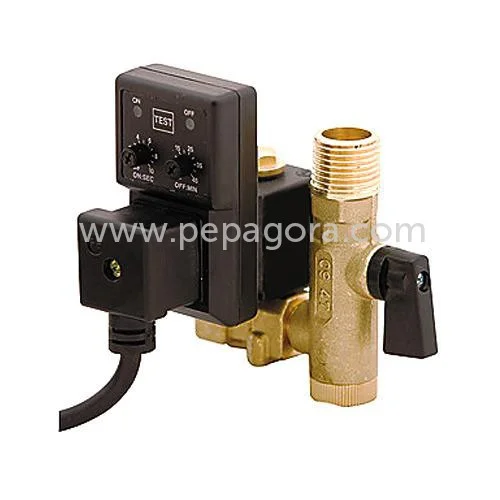
These valves are electrically controlled and designed for quick operation. They are ideal for applications requiring precise control of condensate removal, such as in compressed air systems.
Float-Operated Automatic Drain Valves
These valves use a float mechanism that activates the valve to drain when fluid levels rise. They are commonly used in applications where continuous monitoring of fluid levels is necessary.
Timed Drain Valves
Timed drain valves operate on a set schedule to release condensate at predetermined intervals. They are suitable for systems that require regular maintenance without manual intervention.
Pneumatic Drain Valves
These valves are operated by air pressure and are particularly useful in environments where electrical components may pose a risk. They provide reliable drainage in various applications.
𝗕𝗲𝗻𝗲𝗳𝗶𝘁𝘀 𝗮𝗻𝗱 𝗔𝗱𝘃𝗮𝗻𝘁𝗮𝗴𝗲𝘀
The implementation of automatic drain valves brings numerous benefits that enhance operational efficiency and reduce costs.
1. Enhanced Efficiency: Automatic drain valves eliminate the need for manual draining, ensuring that systems run efficiently without interruptions.
2. Reduced Maintenance Costs: By preventing water accumulation, these valves reduce the risk of corrosion and damage to equipment, leading to lower maintenance expenses.
3. Improved Safety: Automatic drainage reduces the risk of spills and leaks, contributing to a safer working environment and compliance with safety regulations.
4. Consistent Performance: These valves ensure that systems operate optimally by maintaining the right fluid levels, thereby improving overall performance.
5. Time Savings: Automation of the draining process saves time for maintenance personnel, allowing them to focus on more critical tasks.
6. Versatile Applications: Given their wide range of applications, automatic drain valves can be used in various industries, making them a versatile solution for fluid management.
𝗕𝘂𝘆𝗶𝗻𝗴 𝗚𝘂𝗶𝗱𝗲 𝗳𝗼𝗿 𝗕𝟮𝗕 𝗕𝘂𝘆𝗲𝗿𝘀
When sourcing automatic drain valves, businesses should consider several important factors to ensure they choose the right product for their needs.
1. Quality Assessment: Evaluate the quality of materials and construction. Look for valves that meet industry standards and have positive reviews from other users.
2. Supplier Verification: Vet potential suppliers by checking their credentials, certifications, and customer feedback. A reliable supplier should have a proven track record of delivering quality products.
3. Pricing and MOQ: Understand pricing structures and minimum order quantities. Compare quotes from multiple suppliers to find a balance between cost and quality.
4. Delivery and Lead Times: Inquire about delivery schedules and lead times. Timely delivery is crucial for maintaining operational efficiency and avoiding delays in production.
5. Compliance Requirements: Ensure that the selected valves meet relevant compliance and regulatory standards for your industry, including safety and quality certifications.
𝗖𝗼𝗺𝗽𝗹𝗶𝗮𝗻𝗰𝗲 𝗮𝗻𝗱 𝗖𝗲𝗿𝘁𝗶𝗳𝗶𝗰𝗮𝘁𝗶𝗼𝗻𝘀
Automatic drain valves must adhere to several compliance and certification standards to ensure safety and reliability.
Quality standards such as ISO 9001 are important as they demonstrate a commitment to quality management systems. Adhering to ISO standards can enhance product reliability and customer satisfaction.
Industry certifications, like CE marking, indicate that the product meets safety and environmental requirements set by the European Union. This certification is particularly important for businesses that operate in or export to European markets.
Safety and testing requirements are critical, as they ensure that the valves can operate effectively under various conditions and do not pose risks to users. Regular testing helps maintain compliance with these standards.
Regional compliance considerations may vary. Businesses should be aware of local regulations and standards that apply to their specific industry and geographic location to ensure compliance and avoid potential penalties.
𝗪𝗵𝘆 𝗦𝗼𝘂𝗿𝗰𝗲 𝗔𝘂𝘁𝗼𝗺𝗮𝘁𝗶𝗰 𝗗𝗿𝗮𝗶𝗻 𝗩𝗮𝗹𝘃𝗲𝘀 𝗳𝗿𝗼𝗺 𝗣𝗲𝗽𝗮𝗴𝗼𝗿𝗮?
Pepagora provides a trusted platform for sourcing automatic drain valves, offering several key advantages that make it an ideal choice for B2B buyers.
Verified Supplier Network: Pepagora has a robust network of verified suppliers, ensuring that buyers have access to high-quality products from reputable manufacturers. This verification process adds a layer of security for businesses making purchasing decisions.
Streamlined RFQ Process: The platform features a streamlined Request for Quotation process, allowing buyers to easily obtain quotes from multiple suppliers. This efficiency helps businesses find the best deals without the hassle of extensive research.
Trade Assurance and Support: Pepagora offers trade assurance, providing buyers with protection throughout the purchasing process. This support helps mitigate risks associated with online transactions.
Regional Coverage: Pepagora's reach extends across India, the GCC, and Southeast Asia, making it a convenient option for businesses operating in these regions. This geographic coverage ensures that buyers can find local suppliers that meet their needs while minimizing shipping costs and delivery times.
Newly Added




Recently Added
Reliable Equipments
Industrial Moisture Separator For Compressed Air Systems High Efficiency
Industrial Drain Valve OEM High Performance Corrosion Resistant
Industrial Auto Drain Valve High Performance OEM Standard
Shree Yanthra Eqiupments
Industrial Automatic Drain Valves OEM New Single Two Stage
Industrial Mini Air Dryers Single Two Stage 5 35 CFM OEM
Industrial OEM Air Compressor For Workshops And Manufacturing
Ashok Polymers
Industrial UPVC Concealed Ball Valves For Fluid Control
Premium Solid White Ball Valves For Agriculture And Irrigation
Industrial PP Flanged Ball Valves For Chemical And Food Applications
Multitech Sales And Services
High Efficiency Micro Filter For Compressed Air And Vacuum Lines
High Efficiency 5 Micron Micro Filter For Compressed Air And Vacuum Lines
Industrial Cyclonic Moisture Separator For Dry Clean Compressed Air
Bakshi Enterprises
Premium Poly V Belts For Automotive And Agricultural Machinery
Industrial GI Pipes 10 100mm NB 1.80 5.40mm Thickness
Industrial PU Tubes Durable Flexible Abrasion Oil Chemical Resistant
Winco Valves Pvt Ltd
Industrial Fire Protection Landing Valves Stand Post For Safety Systems
Fire Safety Two Way Inlet Breeching For Industrial Commercial Systems
Fire Safety Systems Premium Fire Brigade Inlet One Way Inlet Breaching Durable Cast Iron Stainless Steel
Alisha Pneumatics
Industrial Air Filters Lubricator Regulators 99.99% Efficiency 125% Air Flow
Industrial Activated Carbon Air Filters 5 20 Mic Efficiency 800 3200 M/h
Industrial Air Purification OEM Automatic Drain Valve Brass AC Power
Zen Air Tech Pvt Ltd
Industrial Auto Drain Valve for Compressed Air Systems with Manual Drain
Industrial Compressed Air Smart Drain Valve 16 Kg/cm2 MWP
Industrial Air System Zal 151 MWP Orifice 15 kg/cm2 Pressure Zero Air Loss
Water & Chemical Technologies
Industrial Commercial Water Filtration Plants With Advanced Purification
Industrial Water Softener Plant For Boilers And Process Water
Industrial Municipal Fluoride Removal Plant For Water Treatment
Anuswarya Enterprises
Industrial Automotive 3/8 Ratchet Wrench Set Carbon Steel OEM
Industrial Heavy Duty Steel Chipping Hammer For Construction And Demolition
OEM Metal Tyre Inflator 151 250 Psi 24V CE Certified Durable
Why Businesses Trust Pepagora
Thousands of companies trust Pepagora to source smarter and sell faster
Expand Your Sales Globally
25000+Products listed.Get discovered by global buyers
Tools to boost visibility
Build your own catalog

Source Smarter,Grow Faster
4000+Active RFQs
100+ Countries served
Easy Sourcing Tools
