
 IN
INundefined
Attrition Mills
38 products available
𝗪𝗵𝗮𝘁 𝗮𝗿𝗲 𝗔𝘁𝘁𝗿𝗶𝘁𝗶𝗼𝗻 𝗠𝗶𝗹𝗹𝘀?
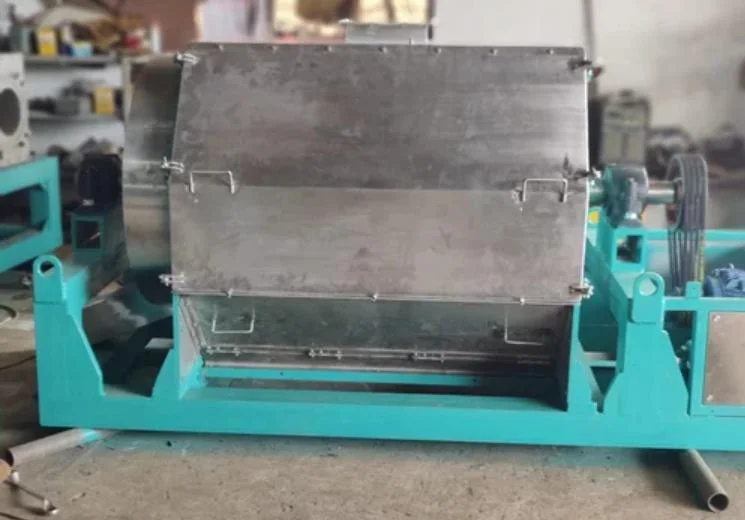
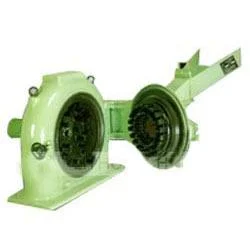
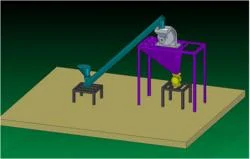
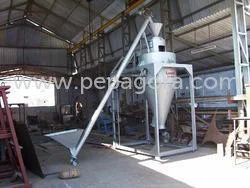
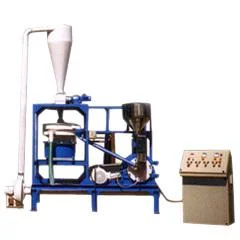
Attrition mills are specialized machines designed for grinding and reducing materials to fine particles. They operate on the principle of shear and friction, utilizing high-speed blades or discs to break down materials into smaller sizes. The design of attrition mills allows for continuous processing, making them efficient for large-scale production.
These mills are widely used in various industries, including food processing, pharmaceuticals, and chemical manufacturing. Their ability to handle a diverse range of materials, from grains to minerals, makes them essential in creating powdery substances needed for formulation or packaging. As industries strive for greater efficiency and product consistency, attrition mills play a crucial role in meeting these demands.
In the current market landscape, attrition mills are increasingly relevant due to the rise in demand for finely milled products. The trend towards precision in industrial applications drives manufacturers to invest in advanced milling technology. This positions attrition mills as a key component in the production processes of many businesses.
𝗞𝗲𝘆 𝗙𝗲𝗮𝘁𝘂𝗿𝗲𝘀 𝗮𝗻𝗱 𝗦𝗽𝗲𝗰𝗶𝗳𝗶𝗰𝗮𝘁𝗶𝗼𝗻𝘀
Attrition mills come with several key features that enhance their operational efficiency and adaptability to different materials. They are built with robust components to withstand high-speed operations and ensure longevity.
Key specifications include:
1. Operating Speed
- Typically ranges from 1,000 to 3,500 RPM.
- Higher speeds allow for finer particle sizes.
2. Material Capacity
- Can handle batches ranging from a few kilograms to several tons.
- Capacity varies based on design and application.
3. Power Consumption
- Average power requirements are between 5 to 100 kW.
- Efficient energy use is crucial for reducing operational costs.
4. Construction Material
- Often made from stainless steel or other corrosion-resistant materials.
- Ensures durability and hygiene in food-related applications.
5. Size Reduction Ratio
- Capable of achieving a reduction ratio of 10:1 or higher.
- Enables significant size reduction in a single pass.
6. Control Features
- May include advanced monitoring systems for performance tracking.
- Some models offer automated adjustments to maintain consistent output.
7. Safety Features
- Equipped with emergency stop buttons and overload protection.
- Ensures operator safety during operation.
8. Noise Levels
- Operating noise typically ranges from 80 to 100 dB.
- Noise reduction measures can be integrated to enhance workplace comfort.
Attrition mills are designed to provide efficient and effective milling solutions, making them a vital asset for industries requiring precise particle size reduction.
𝗖𝗼𝗺𝗺𝗼𝗻 𝗔𝗽𝗽𝗹𝗶𝗰𝗮𝘁𝗶𝗼𝗻𝘀 𝗮𝗻𝗱 𝗨𝘀𝗲 𝗖𝗮𝘀𝗲𝘀
Attrition mills are versatile tools that find applications across multiple industries.
1. Food Processing: They are used to grind grains, spices, and other food ingredients into fine powders, enhancing texture and flavor in various products.
2. Pharmaceuticals: Attrition mills help in the production of fine powders for active ingredients, ensuring uniformity and consistency in dosage forms.
3. Chemical Manufacturing: They are essential for breaking down raw materials into fine particles used in paints, coatings, and other chemical products.
4. Plastics: These mills assist in the processing of plastic materials for recycling and manufacturing various plastic products.
5. Mining and Minerals: Attrition mills are utilized for grinding ores and minerals to meet the specifications required for further processing.
6. Cosmetics: Fine particle size is critical in cosmetic formulations, making attrition mills crucial for producing powders and creams.
7. Agriculture: They help in grinding animal feed and fertilizers, ensuring optimal particle size for better nutrient absorption.
𝗣𝗿𝗼𝗱𝘂𝗰𝘁 𝗩𝗮𝗿𝗶𝗮𝗻𝘁𝘀 𝗮𝗻𝗱 𝗦𝘂𝗯𝗰𝗮𝘁𝗲𝗴𝗼𝗿𝗶𝗲𝘀
Attrition mills come in various configurations to meet specific industrial needs. Their design variations cater to different applications and processing requirements.
Vertical Attrition Mill: This variant features a vertical design that allows for efficient material flow and can accommodate larger volume processing. It is ideal for continuous operations.
Horizontal Attrition Mill: Designed for batch processing, this variant offers enhanced control over the milling process and is suitable for smaller production runs.
Laboratory Attrition Mill: Specifically designed for research and development purposes, this variant allows for precise control over milling conditions and is perfect for testing new formulations.
Continuous Attrition Mill: This variant operates continuously, making it suitable for high-volume production environments. It is efficient and reduces downtime between batches.
𝗕𝗲𝗻𝗲𝗳𝗶𝘁𝘀 𝗮𝗻𝗱 𝗔𝗱𝘃𝗮𝗻𝘁𝗮𝗴𝗲𝘀
Attrition mills offer several advantages that make them highly desirable for industrial applications.
1. Efficient Particle Size Reduction: They achieve fine particle sizes quickly, which is essential for many industrial processes.
2. Versatile Processing: These mills can handle a wide range of materials, making them suitable for various industries.
3. Continuous Operation: The ability to operate continuously ensures higher throughput and less downtime, enhancing productivity.
4. Reduced Energy Consumption: Modern designs focus on energy efficiency, helping to lower operational costs.
5. Easy Maintenance: Attrition mills are designed for easy access to components, simplifying maintenance and reducing labor costs.
6. Improved Product Consistency: High-speed grinding ensures uniform particle size, which is crucial for product quality.
𝗕𝘂𝘆𝗶𝗻𝗴 𝗚𝘂𝗶𝗱𝗲 𝗳𝗼𝗿 𝗕𝟮𝗕 𝗕𝘂𝘆𝗲𝗿𝘀
When sourcing attrition mills, several factors should be considered to ensure the right selection for your needs.
1. Quality Assessment: Evaluating the build quality and materials used is essential. Look for mills that meet industry standards for durability and performance.
2. Supplier Verification: Conduct thorough research on potential suppliers. Check their reputation, customer reviews, and previous projects to ensure reliability.
3. Pricing and MOQ: Understand the pricing structures and minimum order quantities. This helps in budgeting and ensures alignment with production needs.
4. Delivery and Lead Times: Inquire about the expected lead times for delivery. Timely procurement is crucial for maintaining production schedules.
5. Compliance Requirements: Ensure that the attrition mills meet relevant regulatory standards in your industry, such as safety and environmental compliance.
𝗖𝗼𝗺𝗽𝗹𝗶𝗮𝗻𝗰𝗲 𝗮𝗻𝗱 𝗖𝗲𝗿𝘁𝗶𝗳𝗶𝗰𝗮𝘁𝗶𝗼𝗻𝘀
Attrition mills must adhere to various quality and safety standards to ensure their suitability for industrial use.
ISO 9001 is a key standard that outlines requirements for a quality management system, ensuring consistent product quality and customer satisfaction.
HACCP (Hazard Analysis Critical Control Point) is crucial in food-related applications, ensuring that safety measures are in place to prevent hazards in food processing.
CE certification indicates that the equipment meets European safety, health, and environmental protection standards, enhancing its marketability in Europe.
Safety and testing requirements vary by region, and manufacturers must ensure compliance with local regulations. This includes performance testing and certification to guarantee operational safety.
𝗪𝗵𝘆 𝗦𝗼𝘂𝗿𝗰𝗲 𝗔𝘁𝘁𝗿𝗶𝘁𝗶𝗼𝗻 𝗠𝗶𝗹𝗹𝘀 𝗳𝗿𝗼𝗺 𝗣𝗲𝗽𝗮𝗴𝗼𝗿𝗮?
Pepagora provides a trusted platform for sourcing attrition mills, offering several key advantages to B2B buyers.
Verified Supplier Network: Pepagora connects buyers with a network of verified suppliers. This ensures that buyers can find reputable manufacturers with a proven track record.
Streamlined RFQ Process: The platform simplifies the request for quotation process, allowing buyers to quickly gather necessary information and make informed purchasing decisions.
Trade Assurance and Support: Pepagora offers buyer protection through trade assurance programs. This ensures that transactions are secure and that buyers receive quality products.
Regional Coverage: With a strong presence in India, the GCC, and Southeast Asia, Pepagora provides access to a wide range of suppliers and products, catering to diverse market needs.
In summary, sourcing attrition mills through Pepagora not only simplifies the procurement process but also enhances confidence in product quality and supplier reliability.
Newly Added





Recently Added
Arihant Engineering Corporation
Spices Pulverizer Machine High Capacity Grinding 2HP 60HP Models
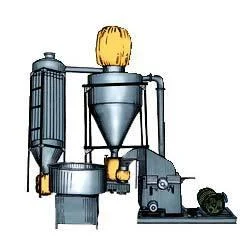
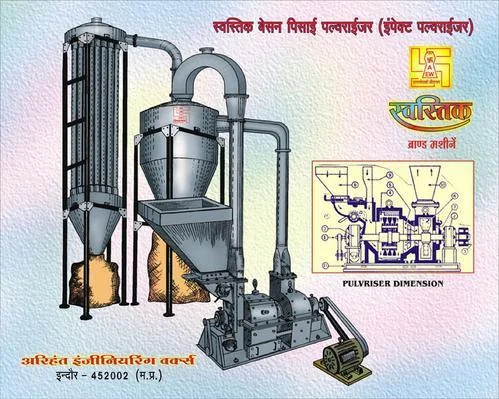
Besan Plant Pulverizer Machine 100 300 Mesh Grinding 12 25 HP
Industrial Centrifugal Machines 1 10 HP Grinding Chambers
Allora Marketing
Commercial Flour Mill With MCB Electronic Switch Protection For
Commercial Pulverizer Machine for Grains Spices Herbs 1HP to 3HP
Commercial Wet Pulverizer 1.5 HP Stainless Steel Grinder
Chem Tech Equipments
Industrial Fluidized Bed Dryer For Salt Crystals Granular Materials
Free Flow Iodized Salt For Industrial Food Processing
Industrial Salt Vibrating Screen For Efficient Processing And Clog Prevention
APT Services
Industrial Rotary Valves For Precise Gas Liquid Flow Control
Industrial Ribbon Blender for Powder Granule Paste Mixing
Industrial Rotary Valves For Gas Liquid Granular Flow Control
B. B. Engineering Works, Kolkata
Industrial Crushing Grinding Plant For Mining Cement Chemical
Industrial Refractory Plant Equipment Jaw Crushers Impact Mills Friction Screw Presses
Electrical Insulator Plant Production Line With Crushers Mills Presses
Ashwini Enterprises
Precision Multimill Screens For Particle Size Control 0.5 25mm
Industrial Clit Mill Screens 0.5mm 25mm Perforations For Food Pharma Chemical
Industrial Silicon Sifter Sieve Z Type 12 45 Inch Food Grade
Powerpac Engineers
Industrial Sifters For Efficient Solids Separation And Size Grading
Industrial Coating Machine For Pharmaceutical Tablet Granule Pellet
Industrial Granulator Machine For Dry Wet Granulation Stainless Steel
J K Group Of Industries
Industrial Pumping Sets JKSDTP Two Pulley System Heavy Duty V Pulley
Industrial Agricultural V Pulley Pumping Sets For Water Transfer
Lister Type Diesel Engines For Agriculture And Industrial Power
Lakshmi & Co
Industrial Pan Mixer 75kg Batch Capacity 900mm Pan 3HP Motor
Professional Wall Groove Cutting Machine 32mm Brick Electrical Plumbing
Automatic Mechanical Brick Press Machine 10 HP 1000 2000 Bricks/Hour
Anmol Pharma Equipments
Industrial Conveyors For Material Handling: Durable & Efficient
Automated CIP Vessel Systems For Tanks, Mixers, Blenders & IBC Bins
Industrial Filling Vessels For Precise Liquid Dispensing In Pharma
Why Businesses Trust Pepagora
Thousands of companies trust Pepagora to source smarter and sell faster
Expand Your Sales Globally
25000+Products listed.Get discovered by global buyers
Tools to boost visibility
Build your own catalog

Source Smarter,Grow Faster
4000+Active RFQs
100+ Countries served
Easy Sourcing Tools
