
 IN
INundefined
Antivirus & Security Software
9 products available
𝗪𝗵𝗮𝘁 𝗮𝗿𝗲 𝗔𝗻𝘁𝗶𝘃𝗶𝗿𝘂𝘀 & 𝗦𝗲𝗰𝘂𝗿𝗶𝘁𝘆 𝗦𝗼𝗳𝘁𝘄𝗮𝗿𝗲?
Antivirus and security software is a type of application designed to protect computers and networks from various types of malware, including viruses, worms, spyware, and ransomware. These software solutions work by detecting, preventing, and removing malicious software, ensuring the integrity and security of data and systems. With the increasing frequency and sophistication of cyber threats, having reliable antivirus and security software is essential for any organization.
In a business context, antivirus and security software is vital for protecting sensitive information, maintaining operational continuity, and safeguarding company assets. Businesses utilize these tools to manage vulnerabilities, defend against potential breaches, and comply with industry regulations. Additionally, many software solutions offer features such as real-time scanning, automatic updates, and user-friendly interfaces to streamline security management.
The relevance of antivirus and security software in today's digital landscape cannot be overstated. With the rise in remote work and digital transformation, the threat landscape has evolved, making these solutions critical for organizations of all sizes. Market demand for robust security measures continues to grow as businesses seek to protect themselves against cybercrime and data breaches, highlighting the importance of investing in effective antivirus and security software.
𝗞𝗲𝘆 𝗙𝗲𝗮𝘁𝘂𝗿𝗲𝘀 𝗮𝗻𝗱 𝗦𝗽𝗲𝗰𝗶𝗳𝗶𝗰𝗮𝘁𝗶𝗼𝗻𝘀
Antivirus and security software come equipped with a range of features designed to provide comprehensive protection against cyber threats. When evaluating these products, it is essential to consider various specifications that determine their effectiveness.
Key specifications include:
1. Malware Detection Capabilities
- This specification refers to the software's ability to identify and neutralize malware threats.
- Typical parameters include detection rates, real-time scanning capabilities, and heuristic analysis features.
2. User Interface and Usability
- A user-friendly interface enhances ease of use, allowing users to manage settings and access features without technical expertise.
- Usability metrics often include dashboard design, ease of navigation, and accessibility of support resources.
3. System Compatibility
- This specification indicates the operating systems and devices that the software can protect.
- Compatibility typically encompasses Windows, macOS, Android, and iOS platforms.
4. Update Frequency
- Regular updates are crucial for maintaining protection against newly emerging threats.
- Specifications often detail the frequency of automatic updates and the process for manual updates.
5. Firewall Protection
- This feature helps monitor and control incoming and outgoing network traffic based on predetermined security rules.
- Specifications may include firewall types, configuration options, and integration with other security tools.
6. Customer Support Options
- Customer support is vital for addressing issues and ensuring software effectiveness.
- Specifications can include availability of live chat, phone support, and online resources like knowledge bases.
7. Reporting and Analytics
- Advanced reporting features offer insights into security incidents and performance metrics.
- Specifications may detail the types of reports available and the frequency of generation.
In summary, understanding these key features and specifications will help businesses make informed decisions when selecting antivirus and security software tailored to their needs.
𝗖𝗼𝗺𝗺𝗼𝗻 𝗔𝗽𝗽𝗹𝗶𝗰𝗮𝘁𝗶𝗼𝗻𝘀 𝗮𝗻𝗱 𝗨𝘀𝗲 𝗖𝗮𝘀𝗲𝘀
Antivirus and security software serve a variety of industries, providing essential protection against cyber threats.
1. Healthcare: In this industry, protecting patient data and complying with regulations such as HIPAA is critical. Antivirus software helps safeguard sensitive medical records from breaches.
2. Financial Services: Financial institutions require high levels of security to protect customer information and transaction data. Antivirus solutions are essential in preventing data theft and maintaining trust.
3. Education: Schools and universities often handle sensitive student information. Antivirus and security software help protect educational institutions from cyber-attacks and secure online learning environments.
4. Retail: Retail businesses face threats to customer payment data and inventory management systems. Security software is necessary for protecting against breaches and ensuring secure transactions.
5. Manufacturing: In the manufacturing sector, protecting intellectual property and operational technology is vital. Antivirus solutions help prevent disruptions caused by cyber threats.
6. Government: Government entities require stringent security measures to protect sensitive data and national security information. Antivirus software is critical in maintaining cybersecurity protocols.
7. Energy: Energy companies manage critical infrastructure and sensitive operational data. Antivirus and security software play a significant role in safeguarding against cyber threats targeting this sector.
𝗣𝗿𝗼𝗱𝘂𝗰𝘁 𝗩𝗮𝗿𝗶𝗮𝗻𝘁𝘀 𝗮𝗻𝗱 𝗦𝘂𝗯𝗰𝗮𝘁𝗲𝗴𝗼𝗿𝗶𝗲𝘀
Antivirus and security software come in various forms to meet the diverse needs of businesses.
Essential Antivirus Software: This variant provides fundamental protection against viruses and malware. It typically includes features such as real-time scanning, scheduled updates, and basic firewall protection, making it suitable for small businesses with limited budgets.
Comprehensive Security Suites: These suites offer a more extensive range of features, including advanced malware detection, identity theft protection, and secure browsing tools. They are ideal for medium to large enterprises that require a multi-layered defense strategy.
Endpoint Protection Platforms: These platforms focus on protecting endpoints like laptops, desktops, and mobile devices within a network. They provide centralized management and monitoring capabilities, making them suitable for organizations with a large number of devices.
Cloud-Based Security Solutions: These solutions offer protection through the cloud, reducing the need for on-premises installations. They are particularly beneficial for remote workforces and businesses seeking scalable security solutions.
𝗕𝗲𝗻𝗲𝗳𝗶𝘁𝘀 𝗮𝗻𝗱 𝗔𝗱𝘃𝗮𝗻𝘁𝗮𝗴𝗲𝘀
Investing in antivirus and security software provides numerous benefits for businesses seeking to safeguard their operations.
Key benefits include:
1. Enhanced Protection: Antivirus software significantly reduces the risk of cyber threats, protecting sensitive data and systems from breaches.
2. Business Continuity: By preventing security incidents, antivirus solutions help ensure uninterrupted business operations and minimize downtime.
3. Regulatory Compliance: Many industries have specific regulations regarding data protection. Antivirus software assists organizations in meeting these compliance requirements effectively.
4. Cost Savings: Early detection and prevention of cyber threats can save businesses from costly data breaches and recovery efforts.
5. Improved Reputation: Maintaining a strong security posture enhances a company's reputation and builds trust with clients and customers.
6. User Education and Awareness: Many antivirus solutions provide resources and training to educate employees about cybersecurity best practices.
𝗕𝘂𝘆𝗶𝗻𝗴 𝗚𝘂𝗶𝗱𝗲 𝗳𝗼𝗿 𝗕𝟮𝗕 𝗕𝘂𝘆𝗲𝗿𝘀
When sourcing antivirus and security software, businesses should consider several critical factors to ensure they choose the right solution.
1. Quality Assessment: Evaluate software based on detection rates, features, and user reviews. High-quality solutions should have a proven track record of effectiveness against various cyber threats.
2. Supplier Verification: Vet suppliers thoroughly to ensure they are reputable and provide reliable products. Look for industry certifications, customer testimonials, and case studies.
3. Pricing and MOQ: Understand the pricing structure, including any subscription models or one-time fees. Consider minimum order quantities to determine the best fit for your organization.
4. Delivery and Lead Times: Inquire about the delivery process and lead times to ensure timely availability of the software. This is especially important for businesses with immediate security needs.
5. Compliance Requirements: Identify any specific compliance standards relevant to your industry. Ensure the software meets these standards to avoid regulatory issues.
𝗖𝗼𝗺𝗽𝗹𝗶𝗮𝗻𝗰𝗲 𝗮𝗻𝗱 𝗖𝗲𝗿𝘁𝗶𝗳𝗶𝗰𝗮𝘁𝗶𝗼𝗻𝘀
Antivirus and security software must meet various compliance and certification standards to ensure safety and effectiveness. Relevant quality standards include ISO 9001, which outlines quality management systems, and other industry-specific standards that may apply.
Certification such as CE indicates that the software meets European health, safety, and environmental protection standards. This certification is essential for businesses operating in or exporting to European markets.
Safety and testing requirements are crucial in evaluating antivirus products. Rigorous testing ensures that the software can effectively detect and mitigate threats without compromising system performance.
Additionally, regional compliance considerations must be taken into account. Different regions may have specific regulations regarding data protection and cybersecurity. It is essential for businesses to ensure that their antivirus solutions adhere to these regulations.
𝗪𝗵𝘆 𝗦𝗼𝘂𝗿𝗰𝗲 𝗔𝗻𝘁𝗶𝘃𝗶𝗿𝘂𝘀 & 𝗦𝗲𝗰𝘂𝗿𝗶𝘁𝘆 𝗦𝗼𝗳𝘁𝘄𝗮𝗿𝗲 𝗳𝗿𝗼𝗺 𝗣𝗲𝗽𝗮𝗴𝗼𝗿𝗮?
Pepagora offers a trusted platform for sourcing antivirus and security software, providing several key advantages for businesses.
Verified Supplier Network: Pepagora features a network of verified suppliers, ensuring that buyers can source high-quality software from reputable vendors. This verification process helps mitigate risks associated with purchasing.
Streamlined RFQ Process: The request for quotation (RFQ) system simplifies the sourcing process. Businesses can easily request quotes from multiple suppliers, allowing for effective comparison of products and pricing.
Trade Assurance and Support: Pepagora provides trade assurance to protect buyers from potential issues. The platform offers support to address any concerns and facilitate smooth transactions.
Regional Coverage: With a strong presence in India, the GCC, and Southeast Asia, Pepagora connects businesses with suppliers across these regions. This geographic reach enables timely access to antivirus and security software tailored to diverse market needs.
Newly Added






Recently Added
Aztec Info Tech Private Limited
Enterprise Antivirus Software For Large Business Networks Security
Business Desktop Computers High Performance Reliable HCL
SME Secure VPN Router With 25 Tunnels And Wireless G
CLM Software Solutions
Secure Email Digital Signing Encryption Class 1 Silver Certificate
Digital Security Class 2 Gold Certificate For Importers And Distributors
Digital Security Class 3 Platinum Certificate For Secure Transactions
Echjay Computer
Premium Server And Laptop Accessories For IT Infrastructure And Data Centers
Business Wireless Network And Email Solutions With Advanced Security
Professional Plotters And Printers For Precision Technical Drawings
VIKEL BUSINESS CORPORATION
Business HP Wired Keyboard Mouse Combo Ergonomic USB Plug and Play
Office And School HP K1500 Keyboard Full Size Spill Resistant USB
HP C2710 Combo Keyboard and Mouse Set for Business Productivity
K7 Enterprise Security Private Limited
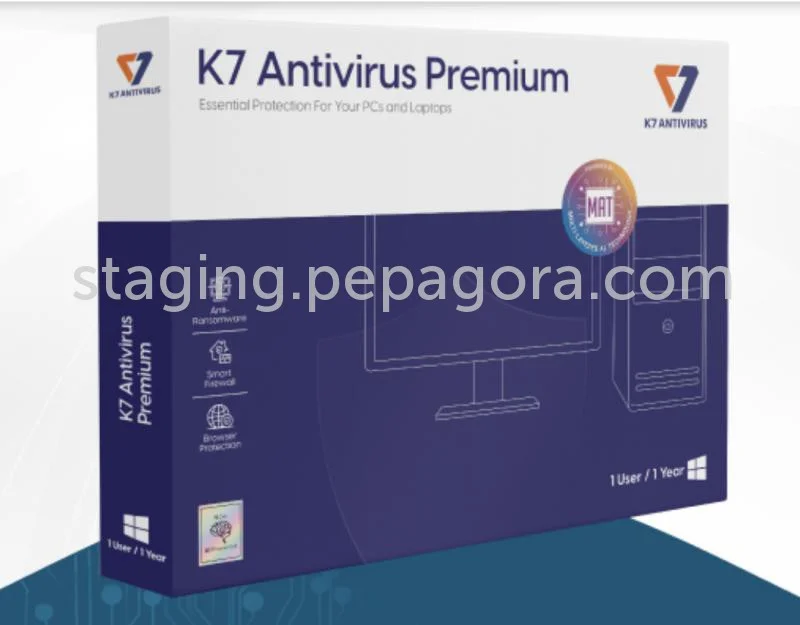
Antivirus Premium Real Time Protection For Windows PCs
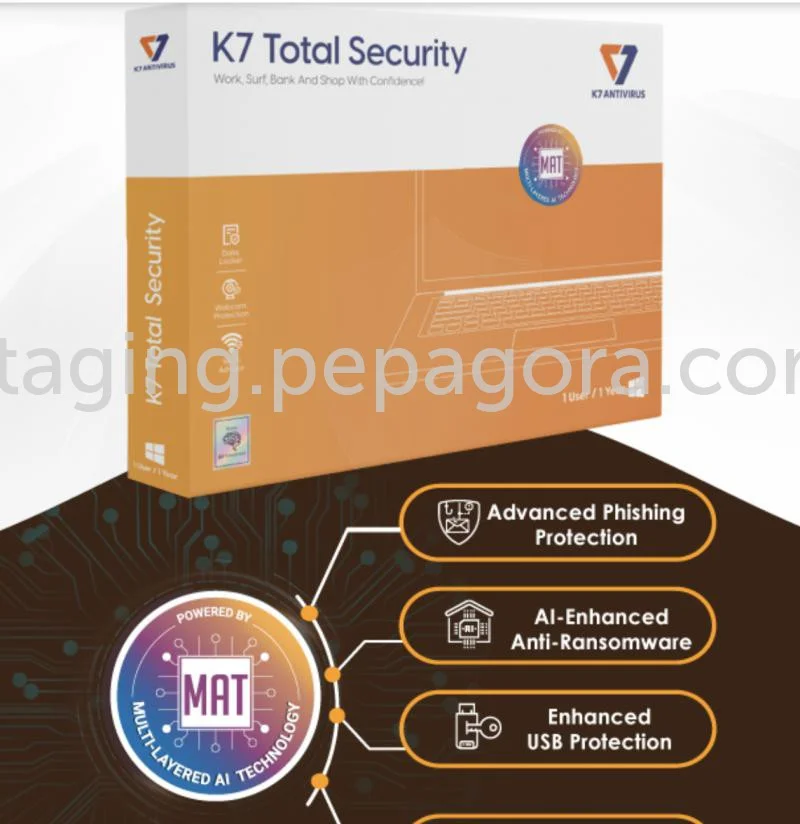
Business Cybersecurity K7 Total Security Malware Ransomware Protection
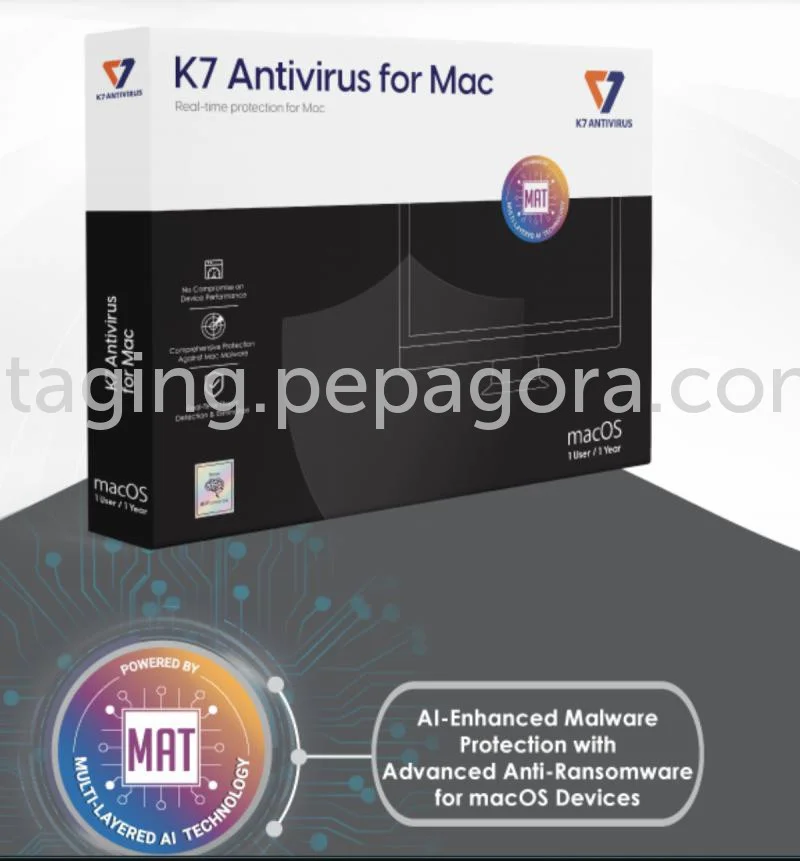
Multi Device Security Software For Windows Mac Android iOS Protection
Why Businesses Trust Pepagora
Thousands of companies trust Pepagora to source smarter and sell faster
Expand Your Sales Globally
25000+Products listed.Get discovered by global buyers
Tools to boost visibility
Build your own catalog

Source Smarter,Grow Faster
4000+Active RFQs
100+ Countries served
Easy Sourcing Tools
