
 IN
INundefined
Anti-Aging Creams & Serums
27 products available
𝗪𝗵𝗮𝘁 𝗮𝗿𝗲 𝗔𝗻𝘁𝗶-𝗔𝗴𝗶𝗻𝗴 𝗖𝗿𝗲𝗮𝗺𝘀 & 𝗦𝗲𝗿𝘂𝗺𝘀?
Anti-aging creams and serums are specialized skincare products designed to reduce the visible signs of aging, such as wrinkles, fine lines, and sagging skin. These formulations typically contain active ingredients that promote skin regeneration, enhance hydration, and improve elasticity. By targeting the underlying causes of skin aging, such as loss of collagen and environmental damage, these products aim to restore a youthful appearance.
The primary uses of anti-aging creams and serums extend to both individual consumers and commercial applications. In the B2B sector, these products are often utilized by beauty and skincare brands, spas, and dermatology clinics, which incorporate them into their treatment regimens or retail offerings. As consumer demand for effective anti-aging solutions continues to rise, businesses within these industries must ensure they offer high-quality products that meet market expectations.
The relevance of anti-aging products is substantial in today's beauty and wellness industry. The global anti-aging market has seen significant growth, driven by an increasing emphasis on personal appearance and self-care. Companies that specialize in developing innovative formulations are well-positioned to capture market share, making it essential for businesses to stay informed about the latest trends and scientific advancements in anti-aging technology.
𝗞𝗲𝘆 𝗙𝗲𝗮𝘁𝘂𝗿𝗲𝘀 𝗮𝗻𝗱 𝗦𝗽𝗲𝗰𝗶𝗳𝗶𝗰𝗮𝘁𝗶𝗼𝗻𝘀
Anti-aging creams and serums come with several key features that enhance their effectiveness and appeal. Understanding these specifications is crucial for businesses looking to offer premium products.
Key specifications include:
1. Ingredient Composition
- Contains powerful actives such as retinoids, peptides, and antioxidants.
- Formulated to improve skin texture and resilience.
2. Texture and Absorption
- Lightweight serums for quick absorption.
- Creams with varying thickness to provide moisture.
3. Packaging Type
- Airless pumps or jars to maintain product integrity.
- Travel-friendly sizes for convenience.
4. Shelf Life
- Typically ranges from 12 to 36 months, depending on the formulation.
- Stability tested to ensure effectiveness over time.
5. Dermatological Testing
- Clinically tested for safety and efficacy.
- Hypoallergenic options available for sensitive skin.
6. Fragrance and Paraben-Free Options
- Many products are formulated without synthetic fragrances or parabens.
- Suitable for a broader range of consumers.
7. Cruelty-Free Certification
- Increasingly important for ethical consumerism.
- Many brands are adopting cruelty-free practices.
In summary, understanding the key features and specifications of anti-aging creams and serums will help businesses make informed choices about product offerings and align with consumer expectations.
𝗖𝗼𝗺𝗺𝗼𝗻 𝗔𝗽𝗽𝗹𝗶𝗰𝗮𝘁𝗶𝗼𝗻𝘀 𝗮𝗻𝗱 𝗨𝘀𝗲 𝗖𝗮𝘀𝗲𝘀
Anti-aging creams and serums serve a variety of industries and applications, making them versatile products.
1. Beauty and Personal Care: These products are essential in retail settings, enabling brands to cater to consumers seeking effective anti-aging solutions.
2. Dermatology Clinics: Medical professionals use these formulations in treatments to address signs of aging, often recommending specific products to patients.
3. Spas and Wellness Centers: Many spas offer anti-aging treatments as part of their services, utilizing these products to enhance clients' skincare routines.
4. E-commerce Platforms: Online retailers benefit from the growing demand for anti-aging products, providing a marketplace for various brands and formulations.
5. Cosmetic Manufacturing: Businesses in this sector may develop private-label anti-aging lines, capitalizing on market trends.
6. Health and Beauty Subscription Boxes: These products are popular inclusions in subscription services aimed at consumers interested in skincare.
7. Influencer Marketing: Brands often collaborate with influencers to promote their anti-aging products, leveraging social media for wider reach.
𝗣𝗿𝗼𝗱𝘂𝗰𝘁 𝗩𝗮𝗿𝗶𝗮𝗻𝘁𝘀 𝗮𝗻𝗱 𝗦𝘂𝗯𝗰𝗮𝘁𝗲𝗴𝗼𝗿𝗶𝗲𝘀
The diversity of anti-aging creams and serums allows businesses to cater to various consumer needs and preferences.
Hydrating Anti-Aging Serum: This variant is formulated with hyaluronic acid to provide intense moisture while reducing fine lines. It is ideal for dry skin types and helps maintain skin elasticity.
Retinol Cream: Known for its potent anti-aging properties, this cream contains retinoids that promote cell turnover and improve skin texture. It is recommended for mature skin and those looking to minimize wrinkles.
Peptide Booster Serum: This serum is designed to enhance collagen production and firmness. It is suitable for all skin types and often used in combination with other anti-aging products.
Brightening Cream: Aimed at reducing age spots and uneven skin tone, this cream contains ingredients like vitamin C. It appeals to consumers looking for a radiant complexion.
𝗕𝗲𝗻𝗲𝗳𝗶𝘁𝘀 𝗮𝗻𝗱 𝗔𝗱𝘃𝗮𝗻𝘁𝗮𝗴𝗲𝘀
Anti-aging creams and serums offer numerous benefits that make them essential in any skincare regimen.
Key benefits include:
1. Improved Skin Texture: These products help smooth skin and reduce roughness, leading to a more youthful appearance.
2. Enhanced Hydration: Many formulations deliver vital moisture, preventing dryness and maintaining skin elasticity.
3. Reduced Fine Lines and Wrinkles: Active ingredients target signs of aging, providing visible results over time.
4. Increased Collagen Production: Certain products stimulate collagen synthesis, supporting skin structure and firmness.
5. Protection Against Environmental Damage: Antioxidants in these products help shield skin from harmful free radicals.
6. Tailored Formulations: With various options available, businesses can cater to specific skin types and concerns, attracting a wider audience.
𝗕𝘂𝘆𝗶𝗻𝗴 𝗚𝘂𝗶𝗱𝗲 𝗳𝗼𝗿 𝗕𝟮𝗕 𝗕𝘂𝘆𝗲𝗿𝘀
When sourcing anti-aging creams and serums, B2B buyers should consider several critical factors to ensure they select the right products.
1. Quality Assessment: Evaluate the ingredient quality and formulation efficacy. Look for clinically tested products with positive reviews.
2. Supplier Verification: Vet suppliers thoroughly to confirm their credibility and reliability. Check for certifications and customer feedback.
3. Pricing and MOQ: Understand the cost structure and minimum order quantities. Compare prices across different suppliers to ensure competitiveness.
4. Delivery and Lead Times: Consider logistics and shipping times when placing orders. Establishing clear timelines helps in inventory management.
5. Compliance Requirements: Ensure that products meet regional regulations and safety standards. This helps avoid potential legal issues and enhances consumer trust.
𝗖𝗼𝗺𝗽𝗹𝗶𝗮𝗻𝗰𝗲 𝗮𝗻𝗱 𝗖𝗲𝗿𝘁𝗶𝗳𝗶𝗰𝗮𝘁𝗶𝗼𝗻𝘀
In the competitive landscape of anti-aging products, compliance with industry standards and certifications is vital. Relevant quality standards such as ISO 9001 ensure that manufacturers maintain high-quality processes throughout production.
Many anti-aging creams and serums also carry certifications like CE, indicating compliance with European health and safety regulations. This is particularly important for businesses looking to enter international markets.
Safety and testing requirements are crucial, as they protect consumers and support brand credibility. Products should undergo rigorous testing for efficacy and safety to meet consumer expectations.
Regional compliance considerations may vary, making it essential for businesses to understand specific regulations in their target markets. This knowledge can help navigate the complexities of international trade and ensure that products are well-received.
𝗪𝗵𝘆 𝗦𝗼𝘂𝗿𝗰𝗲 𝗔𝗻𝘁𝗶-𝗔𝗴𝗶𝗻𝗴 𝗖𝗿𝗲𝗮𝗺𝘀 & 𝗦𝗲𝗿𝘂𝗺𝘀 𝗳𝗿𝗼𝗺 𝗣𝗲𝗽𝗮𝗴𝗼𝗿𝗮?
Pepagora provides a trusted platform for sourcing anti-aging creams and serums, offering several key advantages for B2B buyers.
Verified Supplier Network: Pepagora connects businesses with a network of verified suppliers, ensuring that buyers can source high-quality products with confidence. This vetting process minimizes risks associated with unreliable suppliers.
Streamlined RFQ Process: The platform features an efficient Request for Quotation (RFQ) system, allowing buyers to easily request pricing and product information from multiple suppliers. This simplifies the procurement process and helps in making informed decisions.
Trade Assurance and Support: Pepagora prioritizes buyer protection through trade assurance measures. This includes support for resolving disputes and ensuring that suppliers meet their commitments.
Regional Coverage: With a strong presence in India, the GCC, and Southeast Asia, Pepagora offers extensive geographic reach. This allows businesses to tap into emerging markets and capitalize on growing demand for anti-aging products.
In conclusion, sourcing anti-aging creams and serums from Pepagora not only provides access to quality products but also supports businesses in navigating the complexities of the beauty industry. With a focus on supplier verification and buyer protection, Pepagora stands out as a reliable partner for B2B buyers.
Newly Added


Recently Added
Lifetime Associates Pvt Ltd
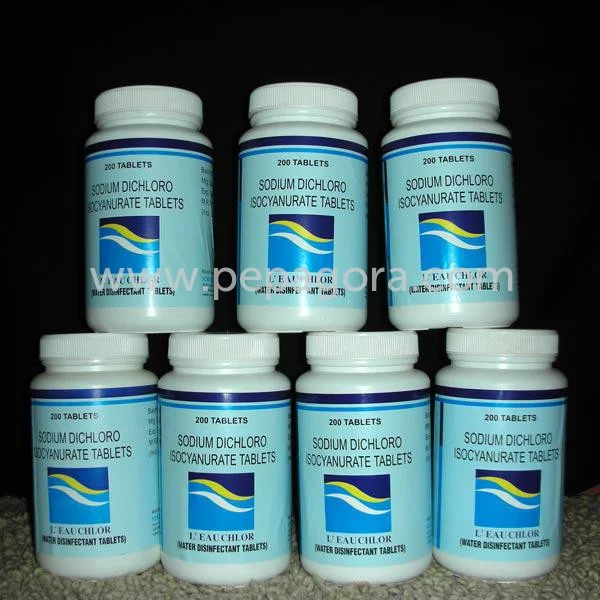
Industrial Chlorine Powder For Water Disinfection Algae Control 3000L 1PPM
Emergency Water Sanitizer NaDCC Chlorine Powder 33mg 167mg Industrial
Industrial Chlorine Powder 20gm For Swimming Pool Water Treatment
Neiss Labs Ltd
Ayurvedic Wellness Products For Distributors And Importers
Semi Sterile Formulations For Critical Manufacturing Industries
Plant Based Nutraceutical Ingredients For Supplements And Functional Foods
Aromex Industry
Bulk Walnut Oil Premium Light Flavor High Polyunsaturated Fats
Premium Avocado Oil For Cosmetics Skincare Food Formulations
Premium Borage Oil For Nutraceuticals And Skincare With GLA
Creation Overseas
85ml Cold Cream Lotion Natural Extracts Deep Nourishment Protection
Premium Cold Cream with Vitamin A & E for Buyers Natural Skin Protection
Exotica Fairness Cream For Skin Brightening And Glow
Bombay Cosmetics
Organic Hair Styling Gel For Salons And Retailers
Professional Hair Conditioner With UV Protection And Detangling
Natural Hair Tonic For Hair Fall Prevention And Growth
Yash Nutrition Planet
Athlete Muscle Building Protein Powder with Time Released Matrix
Premium Antropic Health Products For Distributors And Wholesalers
Premium Isolate Protein Powder High Protein Low Carbs Bulk
Jaya Impex
Pharmaceutical Capsule Filling Machine For Powders Granules Pellets
Premium Empty Gelatin Capsules For Pharmaceutical And Nutraceutical Industries
Industrial Workshop Machinery Metalworking Woodworking Tools
Shibin Exports
Spirulina Powder Food Grade High Protein Phycocyanin ISO Certified
Spirulina Tablets Pure Pesticide Free Hygienic Dietary Supplement
Spirulina Capsules 500mg Pure Powder Pharmaceutical Grade
Influx Pharmaceuticals
Protein Formulations For Immune Support And Body Function
Ginseng Formulations For Diabetes ED And Wellness
Herbal Formulations Ayurvedic Products High Shelf Life
Blossom International
Natural Skincare Lotions With Aloe Vera And Neem
Premium Red Chillies For Food Manufacturing And Hospitality
Spice Powders For Food Manufacturers Bulk Supply Quality
Why Businesses Trust Pepagora
Thousands of companies trust Pepagora to source smarter and sell faster
Expand Your Sales Globally
25000+Products listed.Get discovered by global buyers
Tools to boost visibility
Build your own catalog

Source Smarter,Grow Faster
4000+Active RFQs
100+ Countries served
Easy Sourcing Tools
