
 IN
INundefined
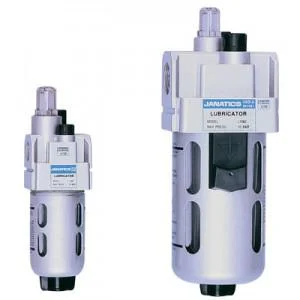
Air Tool Lubricators
2 products available
𝗪𝗵𝗮𝘁 𝗮𝗿𝗲 𝗔𝗶𝗿 𝗧𝗼𝗼𝗹 𝗟𝘂𝗯𝗿𝗶𝗰𝗮𝘁𝗼𝗿𝘀?
Air tool lubricators are specialized devices designed to supply a controlled amount of lubricant to air-powered tools. These lubricators ensure that pneumatic tools operate smoothly and efficiently by reducing friction and wear on internal components. By maintaining proper lubrication levels, they help extend the lifespan of tools and enhance their performance.
Primarily, air tool lubricators are used in various industrial applications, including automotive workshops, manufacturing facilities, and construction sites. They are essential for tools such as impact wrenches, nail guns, and spray guns. By providing consistent lubrication, these devices prevent overheating and improve the reliability of the tools in demanding environments, leading to increased productivity and reduced maintenance costs.
In the current market context, air tool lubricators are increasingly relevant as industries seek to improve efficiency and reduce downtime. With the growing emphasis on maintenance and operational efficiency, these products play a crucial role in ensuring that pneumatic tools are always ready for use. Businesses across sectors recognize the importance of investing in quality lubricators to maintain optimal tool performance.
𝗞𝗲𝘆 𝗙𝗲𝗮𝘁𝘂𝗿𝗲𝘀 𝗮𝗻𝗱 𝗦𝗽𝗲𝗰𝗶𝗳𝗶𝗰𝗮𝘁𝗶𝗼𝗻𝘀
Air tool lubricators come with several key features that enhance their functionality and reliability. These specifications are vital for ensuring compatibility with various pneumatic tools and systems.
Key specifications include:
1. Lubrication Capacity
- Typically ranges from 50 ml to 500 ml
- Allows for varying usage durations based on tool requirements
2. Operating Pressure
- Standard operating pressure ranges from 30 psi to 150 psi
- Ensures effective delivery of lubricant to tools
3. Material Construction
- Often made from durable materials such as aluminum or high-impact plastic
- Provides resistance to corrosion and wear
4. Adjustable Flow Rate
- Flow rates can be adjusted from 1 to 20 drops per minute
- Enables precise lubrication for different tools and applications
5. Connection Size
- Common sizes include 1/4 inch and 3/8 inch NPT
- Ensures compatibility with most air lines and fittings
6. Visibility Features
- Many units feature transparent reservoirs
- Allows for easy monitoring of lubricant levels
7. Maintenance Requirements
- Minimal maintenance is needed
- Regular checks and refills are sufficient for optimal performance
In summary, understanding the key features and specifications of air tool lubricators is essential for selecting the right product for specific applications. This knowledge helps businesses ensure that they invest in lubricators that meet their operational needs.
𝗖𝗼𝗺𝗺𝗼𝗻 𝗔𝗽𝗽𝗹𝗶𝗰𝗮𝘁𝗶𝗼𝗻𝘀 𝗮𝗻𝗱 𝗨𝘀𝗲 𝗖𝗮𝘀𝗲𝘀
Air tool lubricators are versatile devices used across various industries to enhance the performance of pneumatic tools.
1. Automotive Industry: In automotive repair shops, air tool lubricators are vital for maintaining impact wrenches and tire changers, ensuring they operate effectively during high-demand tasks.
2. Manufacturing: In manufacturing settings, lubricators are used with assembly line tools to ensure smooth operation of pneumatic drills and riveters, which are crucial for efficient production.
3. Construction: Construction sites often utilize air tool lubricators with nail guns and air hammers, helping to minimize tool wear and prevent failures that can lead to project delays.
4. Aerospace: In aerospace manufacturing, air tool lubricators are essential for precision tools that require consistent lubrication to maintain strict quality standards.
5. Marine: The marine industry uses lubricators to maintain tools that operate in challenging environments, ensuring reliability and performance even in wet conditions.
6. Woodworking: In woodworking shops, air tool lubricators are employed with pneumatic sanders and saws to enhance tool longevity and performance.
7. HVAC: In heating, ventilation, and air conditioning applications, lubricators are used with pneumatic control systems to ensure proper operation and reliability.
𝗣𝗿𝗼𝗱𝘂𝗰𝘁 𝗩𝗮𝗿𝗶𝗮𝗻𝘁𝘀 𝗮𝗻𝗱 𝗦𝘂𝗯𝗰𝗮𝘁𝗲𝗴𝗼𝗿𝗶𝗲𝘀
Air tool lubricators come in various types to cater to different industrial needs. This diversity allows businesses to choose the right variant based on their specific applications.
Standard Lubricators: These are the most common type, designed for general use with a range of pneumatic tools. They provide consistent lubrication and are easy to install and maintain.
Automatic Lubricators: These variants automatically dispense lubricant at preset intervals, ensuring that tools receive the right amount of lubrication without manual intervention. They are ideal for continuous operation settings.
Micro Lubricators: Micro lubricators are designed to deliver very small amounts of lubricant, making them suitable for precision tools where excessive lubrication could be detrimental.
Inline Lubricators: These lubricators are installed directly in the air line and provide a continuous flow of lubricant to multiple tools, making them efficient for large operations with several pneumatic tools in use.
𝗕𝗲𝗻𝗲𝗳𝗶𝘁𝘀 𝗮𝗻𝗱 𝗔𝗱𝘃𝗮𝗻𝘁𝗮𝗴𝗲𝘀
Choosing the right air tool lubricator brings several advantages to businesses.
1. Enhanced Tool Longevity: Regular lubrication reduces wear and tear on tools, extending their operational life and minimizing replacement costs.
2. Improved Performance: Proper lubrication ensures tools operate at peak efficiency, leading to better performance and higher quality work.
3. Reduced Downtime: By preventing tool malfunctions, air tool lubricators help minimize downtime, allowing for uninterrupted workflow and increased productivity.
4. Ease of Use: Many lubricators are easy to install and maintain, making them user-friendly for operators in various industrial settings.
5. Cost-Effectiveness: Investing in air tool lubricators can lead to significant savings in maintenance and repair costs over time.
6. Consistent Lubrication: These devices provide a reliable way to ensure that tools receive the right amount of lubricant consistently, which is critical for optimal operation.
𝗕𝘂𝘆𝗶𝗻𝗴 𝗚𝘂𝗶𝗱𝗲 𝗳𝗼𝗿 𝗕𝟮𝗕 𝗕𝘂𝘆𝗲𝗿𝘀
When sourcing air tool lubricators, several factors should be taken into consideration to ensure the best purchase decision.
1. Quality Assessment: Evaluate the quality of materials and construction. Look for lubricators made from durable materials that can withstand the demands of your specific application.
2. Supplier Verification: Vet potential suppliers for reliability and reputation. Ensure they have a track record of delivering quality products and good customer service.
3. Pricing and MOQ: Consider the pricing structure and minimum order quantities. Ensure that the costs align with your budget and operational needs.
4. Delivery and Lead Times: Assess the delivery options and lead times. Ensure that suppliers can meet your timeline requirements to avoid disruptions in your operations.
5. Compliance Requirements: Verify that the lubricators meet relevant industry standards and certifications, ensuring they are safe and suitable for your application.
𝗖𝗼𝗺𝗽𝗹𝗶𝗮𝗻𝗰𝗲 𝗮𝗻𝗱 𝗖𝗲𝗿𝘁𝗶𝗳𝗶𝗰𝗮𝘁𝗶𝗼𝗻𝘀
Air tool lubricators must adhere to various quality standards to ensure their performance and safety. One relevant standard is ISO 9001, which focuses on quality management systems, ensuring that manufacturers maintain high-quality production processes.
Additionally, many air tool lubricators are certified with CE marking, indicating their compliance with European safety standards. This certification assures buyers that the products have been tested for safety and performance.
While specific safety and testing requirements may vary by region, it is essential for buyers to confirm that their chosen lubricators comply with local regulations. This ensures that the products are safe for use and meet any necessary operational standards.
𝗪𝗵𝘆 𝗦𝗼𝘂𝗿𝗰𝗲 𝗔𝗶𝗿 𝗧𝗼𝗼𝗹 𝗟𝘂𝗯𝗿𝗶𝗰𝗮𝘁𝗼𝗿𝘀 𝗳𝗿𝗼𝗺 𝗣𝗲𝗽𝗮𝗴𝗼𝗿𝗮?
Pepagora stands out as a trusted platform for sourcing air tool lubricators, offering several key advantages for businesses.
Verified Supplier Network: Pepagora provides access to a network of verified suppliers, ensuring that buyers can source high-quality lubricators from reputable manufacturers.
Streamlined RFQ Process: The platform offers a streamlined Request for Quotation (RFQ) process, allowing buyers to easily compare prices and features from multiple suppliers, simplifying the decision-making process.
Trade Assurance and Support: Pepagora offers trade assurance and support for buyers, providing protection and assistance throughout the purchasing process, which enhances buyer confidence.
Regional Coverage: With a strong presence in India, the GCC, and Southeast Asia, Pepagora offers extensive regional coverage, making it easy for businesses in these areas to source air tool lubricators that meet their specific needs.
Newly Added


Recently Added
Arun Industrial Spares
Mining Construction Quarrying Rock Drill Spare Parts High Reliability
Mining Construction Pusher Legs Drifting Tunneling Durable Equipment
Heavy Duty Rock Drill Machines For Mining Construction Quarrying
Janatics I Pvt Ltd
Industrial Automation Pneumatic Cylinder A12 A13 ISO 6431 with Adjustable Cushioning
Industrial Automation Double End Pneumatic Cylinders ISO 6431 Compliant
Industrial Automation Janatics R1 Series Air Pressure Regulator ISO 6953 Compliant
Why Businesses Trust Pepagora
Thousands of companies trust Pepagora to source smarter and sell faster
Expand Your Sales Globally
25000+Products listed.Get discovered by global buyers
Tools to boost visibility
Build your own catalog

Source Smarter,Grow Faster
4000+Active RFQs
100+ Countries served
Easy Sourcing Tools
