
 IN
INundefined
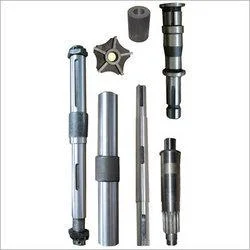
Agricultural Machinery Spare Parts
45 products available
𝗪𝗵𝗮𝘁 𝗮𝗿𝗲 𝗔𝗴𝗿𝗶𝗰𝘂𝗹𝘁𝘂𝗿𝗮𝗹 𝗠𝗮𝗰𝗵𝗶𝗻𝗲𝗿𝘆 𝗦𝗽𝗮𝗿𝗲 𝗣𝗮𝗿𝘁𝘀?
Agricultural Machinery Spare Parts are components used to repair or replace broken or worn parts in agricultural machinery. These spare parts are essential for maintaining the efficiency and functionality of equipment such as tractors, harvesters, and plows. They ensure the machinery operates smoothly and effectively, allowing farmers to maximize productivity and reduce downtime.
The primary uses of these spare parts include routine maintenance, emergency repairs, and upgrades to enhance machinery performance. By keeping agricultural equipment in optimal working condition, businesses can avoid costly delays and ensure that farming operations run efficiently. Spare parts are crucial in various applications, from small farms to large-scale agricultural operations, demonstrating their importance across the industry.
In the current market context, the demand for Agricultural Machinery Spare Parts has been rising due to the increasing mechanization of agriculture and the need for advanced technology in farming practices. With a growing focus on efficiency and sustainability, businesses are investing in high-quality spare parts to ensure their machinery can meet modern agricultural challenges.
𝗞𝗲𝘆 𝗙𝗲𝗮𝘁𝘂𝗿𝗲𝘀 𝗮𝗻𝗱 𝗦𝗽𝗲𝗰𝗶𝗳𝗶𝗰𝗮𝘁𝗶𝗼𝗻𝘀
Agricultural Machinery Spare Parts come with a variety of features that cater to different machinery needs. Understanding these specifications is crucial for selecting the right parts for specific equipment.
Key specifications include:
1. Material Composition
- Typically made from high-strength steel or durable polymers
- Ensures longevity and resistance to wear and tear
2. Compatibility
- Designed to fit specific models of agricultural machinery
- Ensures seamless integration and function
3. Performance Ratings
- Rated for temperature and pressure tolerances
- Varies based on the type of machinery and its operational conditions
4. Certifications
- Compliance with industry standards such as CE and UL
- Guarantees quality and safety in use
5. Warranty Period
- Varies from one manufacturer to another
- Typically ranges from one to five years depending on the part
6. Maintenance Requirements
- Some parts require regular inspections and maintenance
- Others are designed for low-maintenance use
7. Lead Time for Availability
- Depends on supplier stock and manufacturing processes
- Can range from a few days to several weeks
8. Customization Options
- Some suppliers offer tailored solutions for specific needs
- Enhances usability and performance based on unique requirements
In summary, understanding the various features and specifications of Agricultural Machinery Spare Parts helps businesses make informed decisions and select the best components for their machinery.
𝗖𝗼𝗺𝗺𝗼𝗻 𝗔𝗽𝗽𝗹𝗶𝗰𝗮𝘁𝗶𝗼𝗻𝘀 𝗮𝗻𝗱 𝗨𝘀𝗲 𝗖𝗮𝘀𝗲𝘀
Agricultural Machinery Spare Parts serve a wide range of industries, each requiring specific components for optimal performance.
1. Crop Farming: Spare parts are used in tractors and harvesters to ensure efficient planting, cultivating, and harvesting of crops, reducing downtime during critical farming seasons.
2. Livestock Farming: Equipment such as feed mixers and manure spreaders rely on spare parts for reliability, helping maintain livestock health and productivity.
3. Horticulture: Specialized machinery used in fruit and vegetable production requires specific spare parts to manage delicate plants and ensure proper harvest techniques.
4. Forestry: Equipment like loggers and chippers need durable spare parts to withstand harsh conditions and heavy use, ensuring safety and efficiency.
5. Aquaculture: Machinery used in fish farming, such as feeding systems and water pumps, relies on spare parts for continuous operation and management of aquatic environments.
6. Organic Farming: Specialized machinery designed for organic practices requires specific spare parts that meet organic standards and regulations.
7. Agricultural Research: Research facilities use various machinery for experimentation and data collection, necessitating reliable spare parts for precise operations.
These applications illustrate the diverse uses of Agricultural Machinery Spare Parts across different sectors within the agricultural industry.
𝗣𝗿𝗼𝗱𝘂𝗰𝘁 𝗩𝗮𝗿𝗶𝗮𝗻𝘁𝘀 𝗮𝗻𝗱 𝗦𝘂𝗯𝗰𝗮𝘁𝗲𝗴𝗼𝗿𝗶𝗲𝘀
Agricultural Machinery Spare Parts encompass a variety of product variants, each tailored for specific machinery types and applications.
Tractor Parts
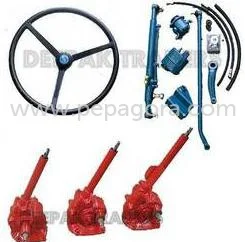
Tractor parts include components like filters, belts, and hydraulic systems. These parts are essential for the optimal functioning of tractors, ensuring they can handle various agricultural tasks.
Harvester Components
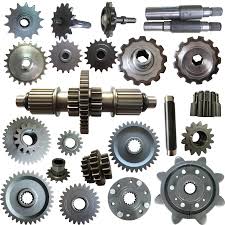
Harvester components consist of blades, gears, and sensors. They are designed to improve the efficiency of harvesting operations, enhancing crop yield and reducing loss during harvest.
Plow Parts
Plow parts include shares, moldboards, and skimmers. These components are crucial for soil preparation, allowing for better seedbed conditions and improved crop growth.
Irrigation System Parts
Irrigation system parts involve valves, pumps, and connectors. They ensure efficient water distribution, crucial for maintaining soil moisture and promoting healthy plant growth.
Fertilizer Spreader Parts
Fertilizer spreader parts include disks, hoppers, and calibration equipment. These components enhance the precision and efficiency of fertilizer application, optimizing crop nutrition.
𝗕𝗲𝗻𝗲𝗳𝗶𝘁𝘀 𝗮𝗻𝗱 𝗔𝗱𝘃𝗮𝗻𝘁𝗮𝗴𝗲𝘀
Agricultural Machinery Spare Parts offer numerous benefits that contribute to improved farming operations.
1. Increased Efficiency: High-quality spare parts enhance the performance of agricultural machinery, ensuring tasks are completed faster and with greater precision.
2. Reduced Downtime: Reliable spare parts minimize the risk of equipment failure, leading to fewer interruptions in farming activities.
3. Cost-Effectiveness: Investing in durable spare parts can reduce long-term maintenance costs, as they tend to last longer than cheaper alternatives.
4. Enhanced Safety: Quality spare parts contribute to safer machinery operation, reducing risks for operators and ensuring compliance with safety standards.
5. Improved Yield: Well-maintained machinery equipped with quality spare parts can lead to better crop yields, boosting overall productivity.
6. Customization Potential: Many suppliers offer customizable spare parts to fit specific machinery needs, allowing for tailored solutions that enhance performance.
𝗕𝘂𝘆𝗶𝗻𝗴 𝗚𝘂𝗶𝗱𝗲 𝗳𝗼𝗿 𝗕𝟮𝗕 𝗕𝘂𝘆𝗲𝗿𝘀
When sourcing Agricultural Machinery Spare Parts, it is essential to consider several factors to ensure a successful purchase.
1. Quality Assessment: Evaluate the material and manufacturing standards of the spare parts. Ensure they meet industry specifications and have certifications like CE or UL to guarantee reliability.
2. Supplier Verification: Vet suppliers through references and past performance. Reliable suppliers should have a proven track record in delivering quality parts on time.
3. Pricing and MOQ: Compare pricing among different suppliers and understand their minimum order quantity (MOQ) requirements. This comparison helps in budgeting and planning purchases.
4. Delivery and Lead Times: Confirm the expected delivery times before placing an order. Understanding lead times is crucial for maintaining machinery readiness during peak agricultural seasons.
5. Compliance Requirements: Ensure that the spare parts comply with local and international regulations. This consideration is vital for meeting legal standards and ensuring safe operation.
𝗖𝗼𝗺𝗽𝗹𝗶𝗮𝗻𝗰𝗲 𝗮𝗻𝗱 𝗖𝗲𝗿𝘁𝗶𝗳𝗶𝗰𝗮𝘁𝗶𝗼𝗻𝘀
Agricultural Machinery Spare Parts must adhere to various compliance and certification standards to ensure safety and quality.
Relevant quality standards, such as ISO 9001, ensure that manufacturers maintain a consistent level of quality in their production processes. This standard helps buyers trust that the parts will perform as expected.
Industry certifications like CE and UL indicate that the products meet specific safety and performance criteria. These certifications are crucial for buyers looking to ensure that the spare parts are reliable and safe for use in agricultural applications.
Safety and testing requirements are also fundamental in the industry. Parts should undergo rigorous testing to confirm they can withstand the conditions they will face in the field. This process includes assessments for durability, temperature resistance, and mechanical performance.
Moreover, regional compliance considerations are essential as different markets may have specific regulations governing agricultural equipment. Buyers should be aware of these requirements to avoid potential legal issues and ensure smooth operations.
𝗪𝗵𝘆 𝗦𝗼𝘂𝗿𝗰𝗲 𝗔𝗴𝗿𝗶𝗰𝘂𝗹𝘁𝘂𝗿𝗮𝗹 𝗠𝗮𝗰𝗵𝗶𝗻𝗲𝗿𝘆 𝗦𝗽𝗮𝗿𝗲 𝗣𝗮𝗿𝘁𝘀 𝗳𝗿𝗼𝗺 𝗣𝗲𝗽𝗮𝗴𝗼𝗿𝗮?
Pepagora provides a trusted platform for sourcing Agricultural Machinery Spare Parts, offering several key advantages to B2B buyers.
Verified Supplier Network: Pepagora connects buyers with a network of vetted suppliers. This verification ensures that buyers can source high-quality parts from reliable manufacturers, reducing risks associated with substandard products.
Streamlined RFQ Process: The platform offers a streamlined Request for Quotation (RFQ) process, allowing buyers to efficiently compare prices and terms from multiple suppliers. This efficiency simplifies sourcing and helps secure the best deals.
Trade Assurance and Support: Pepagora provides trade assurance and support to buyers, protecting their purchases and ensuring that any issues can be resolved promptly. This support builds trust and confidence in the sourcing process.
Regional Coverage: With a broad geographic reach, Pepagora serves buyers across India, the GCC, and Southeast Asia. This extensive coverage enables buyers to access a diverse range of suppliers and products, catering to different agricultural needs and preferences.
Newly Added









Recently Added
Bharat Tractors
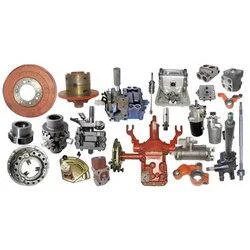
Industrial Machinery Oil Impressed Brakes For Heavy Duty Applications
Industrial Construction Intermediate Steel Plates High Strength Custom Sizing
Bharat Cylinder Head High Quality Compressor Parts For Industrial Applications
Deepak Traders, Delhi
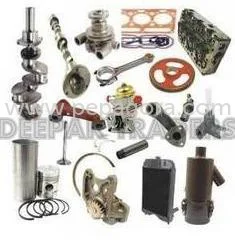
Premium Tractor Oil Seals And Rubber Parts For JCB And Agricultural Machinery
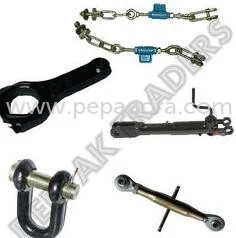
Agricultural Machinery Premium Tractor Linkage Parts Durable Top Links
Premium Tractor And JCB Machine Brake Parts Supplier
Anukampa Thermo Plast
Industrial Commercial RO Float Valves For Water Purification Systems
Industrial T Connectors For Electrical And Mechanical Systems
Industrial Textile Separators For Fiber Separation And Waste Removal
Good Good Manufacturers
Heavy Duty Air Filter Clamps For Tractors And Industrial Machinery
Industrial Cheese Head Screws For Automotive And Electronics Assembly
Premium Coil Rod High Tensile Strength Corrosion Resistance
Auto International
Premium Tractor Transmission Gears For Agricultural And Industrial Machinery
Precision Machined Auto Parts For High Strength And Reliability
Premium Crankshafts For Automotive Marine Industrial Engines
Jashan Auto Industries
Premium Brass And Steel Bushes For Combines And Tractors 10mm 150mm
JCB Pivot Pins For Heavy Machinery Durable Precision Hinge Components
Premium JCB Replacement Pins For Excavators And Loaders
Boraste Agro Implements & Allied Industry
Agricultural Sprayer 200L Tractor Mounted For Crop Protection
Agricultural Harrow For Soil Preparation And Seedbed Leveling
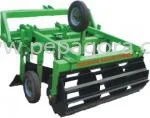
Agricultural Reidger for Soil Loosening and Weed Removal in Orchards
Vepson Engineers
Heavy Duty Shovel Bolts for Construction and Mining Equipment
Agricultural Machinery EN45 Seed Drill Shovel 40mm x 8mm x 310mm
Precision Farming High Quality Seed Drill Phalla Shovel Durable Reliable
B. D. J. International
Premium 13 HP Diesel Farm Power Tiller 125 kg Hand Cranking
Heavy Duty 1.5 Ton Power Tiller Trailer For Agriculture Transport
Agricultural DI Power Tiller 15 HP Diesel Engine 1039 cc Hand Cranking
B. B. H. Auto Industries
Combine Harvester Gears 1st 2nd 3rd Gear Durable Agricultural Machinery
Automotive Chamber Housing For Engine Brake Control System Protection
Automotive Transport Round Housing Premium Durable Reliable
Why Businesses Trust Pepagora
Thousands of companies trust Pepagora to source smarter and sell faster
Expand Your Sales Globally
25000+Products listed.Get discovered by global buyers
Tools to boost visibility
Build your own catalog

Source Smarter,Grow Faster
4000+Active RFQs
100+ Countries served
Easy Sourcing Tools
