
 IN
INundefined
Actuators (Pneumatic, Electric, Hydraulic)
15 products available
What are Actuators (Pneumatic, Electric, Hydraulic)?
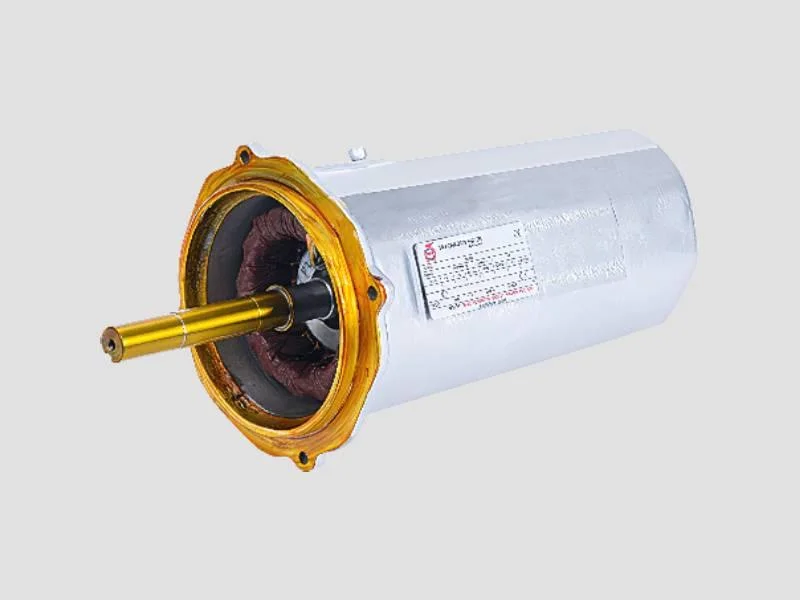
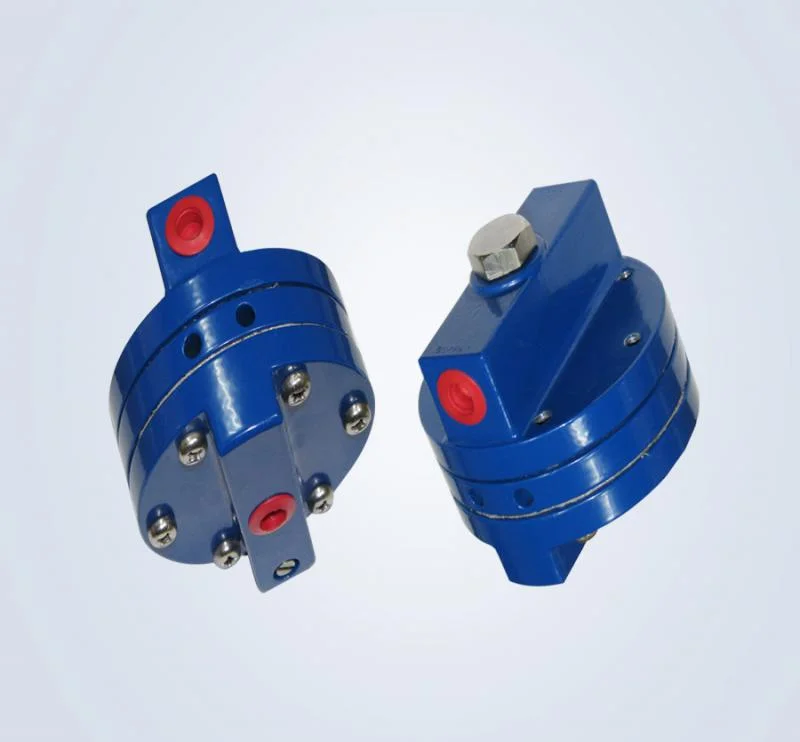
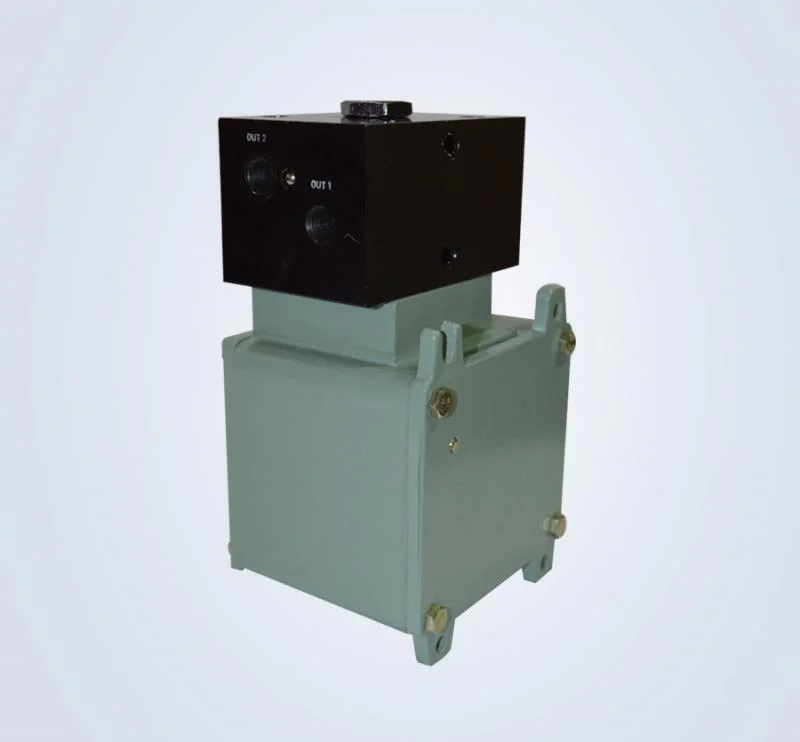
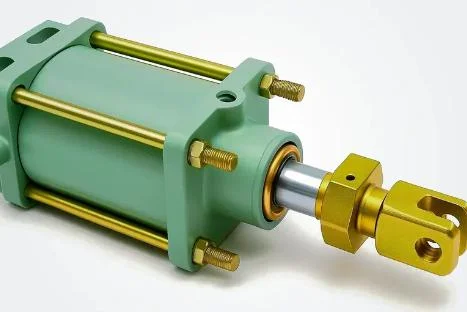
Actuators are devices that convert energy into motion, crucial in various industrial applications. They come in three primary types: pneumatic, electric, and hydraulic. Pneumatic actuators use compressed air to create motion, electric actuators rely on electric power, and hydraulic actuators utilize pressurized fluids. Each type serves specific operational needs, making them essential components in automated systems.
These actuators are widely used in industries such as manufacturing, automotive, and aerospace. They facilitate tasks ranging from opening and closing valves to controlling robotic arms. Their ability to provide precise control and powerful motion enhances productivity and efficiency in business processes. As industries move towards automation, the demand for these actuators continues to grow, influencing market trends and innovations.
In the current industrial landscape, actuators play a vital role in enhancing operational capabilities. The shift towards smart manufacturing and Industry 4.0 has led to increased reliance on advanced actuator technologies. This trend underscores the importance of selecting the right actuator type based on specific application requirements and operational contexts.
𝗞𝗲𝘆 𝗙𝗲𝗮𝘁𝘂𝗿𝗲𝘀 𝗮𝗻𝗱 𝗦𝗽𝗲𝗰𝗶𝗳𝗶𝗰𝗮𝘁𝗶𝗼𝗻𝘀
Actuators offer various features and specifications that cater to diverse industrial needs. Understanding these key specifications is essential for selecting the right actuator for your application.
Key specifications include:
1. Actuator Type
- Pneumatic, electric, or hydraulic options
- Each type designed for specific motion and control requirements
2. Power Source
- Compressed air for pneumatic actuators
- Electric power for electric actuators
- Hydraulic fluid for hydraulic actuators
3. Motion Type
- Linear or rotary motion capabilities
- Determines the applications suitable for each actuator
4. Control Mechanism
- Manual, automatic, or remote control options
- Enhances operational flexibility
5. Load Capacity
- Varies by actuator type
- Critical for application suitability
6. Speed
- Response time and movement speed specifications
- Important for timing-sensitive operations
7. Operating Temperature
- Suitable temperature ranges for each actuator type
- Ensures performance in varying environments
8. Compliance Standards
- Adherence to industry certifications
- Essential for quality assurance and regulatory compliance
These specifications help businesses identify the most effective actuator for their specific needs, ensuring optimal performance.
𝗖𝗼𝗺𝗺𝗼𝗻 𝗔𝗽𝗽𝗹𝗶𝗰𝗮𝘁𝗶𝗼𝗻𝘀 𝗮𝗻𝗱 𝗨𝘀𝗲 𝗖𝗮𝘀𝗲𝘀
Actuators are utilized in various industries to automate processes and improve operational efficiency.
1. Manufacturing: In manufacturing plants, actuators control machinery, conveyor belts, and robotic arms to streamline production lines.
2. Automotive: Actuators are used in automotive assembly lines for tasks such as part positioning and automated testing.
3. Aerospace: In the aerospace sector, actuators control flight surfaces and landing gear mechanisms, ensuring precise operations.
4. Food and Beverage: In food processing, actuators automate packaging and bottling lines, enhancing productivity and safety.
5. Pharmaceuticals: Actuators are essential in pharmaceutical manufacturing for precise dosage control and packaging.
6. Water Treatment: In water treatment facilities, actuators control valves and pumps for efficient water management.
7. HVAC Systems: Actuators regulate airflow and temperature in heating, ventilation, and air conditioning systems.
These applications showcase the versatility and importance of actuators across different sectors.
𝗣𝗿𝗼𝗱𝘂𝗰𝘁 𝗩𝗮𝗿𝗶𝗮𝗻𝘁𝘀 𝗮𝗻𝗱 𝗦𝘂𝗯𝗰𝗮𝘁𝗲𝗴𝗼𝗿𝗶𝗲𝘀
Actuators come in various types, each designed for specific applications and operational environments.
Pneumatic Actuators
Pneumatic actuators operate using compressed air, making them suitable for environments where high-speed operation is essential. They are commonly used in manufacturing and material handling systems.
Electric Actuators
Electric actuators use electric power to create motion, offering high precision and control. They are ideal for applications requiring exact positioning, such as in robotics and automation.
Hydraulic Actuators
Hydraulic actuators utilize pressurized fluids, providing significant force and power. They are often found in heavy machinery and construction equipment, where high performance is required.
𝗕𝗲𝗻𝗲𝗳𝗶𝘁𝘀 𝗮𝗻𝗱 𝗔𝗱𝘃𝗮𝗻𝘁𝗮𝗴𝗲𝘀
Selecting the right actuator brings numerous advantages to businesses.
1. Increased Efficiency: Actuators automate processes, reducing manual labor and enhancing operational efficiency.
2. Precision Control: Many actuators offer precise control over motion, improving accuracy in applications such as robotics.
3. Versatility: Available in various types, actuators can be customized for different applications, ensuring suitability across industries.
4. Durability: Quality actuators are built to withstand demanding environments, providing long-term reliability.
5. Reduced Operational Costs: By automating tasks, businesses can lower labor costs and minimize errors, leading to overall cost savings.
6. Enhanced Safety: Actuators reduce the need for manual intervention in hazardous environments, improving workplace safety.
𝗕𝘂𝘆𝗶𝗻𝗴 𝗚𝘂𝗶𝗱𝗲 𝗳𝗼𝗿 𝗕𝟮𝗕 𝗕𝘂𝘆𝗲𝗿𝘀
When sourcing Actuators (Pneumatic, Electric, Hydraulic), several critical factors should be considered to ensure the best purchasing decision.
1. Quality Assessment: Evaluate the quality of actuators by examining manufacturer standards and certifications. Look for products that meet recognized quality benchmarks.
2. Supplier Verification: Vet suppliers by checking their reputations and customer feedback. Reliable suppliers should have a history of delivering quality products on time.
3. Pricing and MOQ: Compare pricing across different suppliers and consider the minimum order quantities. Ensure that the pricing aligns with your budget while meeting your quantity needs.
4. Delivery and Lead Times: Assess suppliers' delivery capabilities to ensure timely procurement. Understanding lead times is crucial for maintaining production schedules.
5. Compliance Requirements: Confirm that the actuators meet industry regulations and compliance standards. This step is essential for maintaining operational integrity and safety.
𝗖𝗼𝗺𝗽𝗹𝗶𝗮𝗻𝗰𝗲 𝗮𝗻𝗱 𝗖𝗲𝗿𝘁𝗶𝗳𝗶𝗰𝗮𝘁𝗶𝗼𝗻𝘀
Compliance with industry standards and certifications is crucial for ensuring the quality and safety of actuators.
Actuators should adhere to relevant quality standards, such as ISO 9001, which focuses on quality management systems. This certification demonstrates a commitment to consistent quality in manufacturing processes.
Additionally, industry certifications like CE and UL ensure that actuators meet specific safety and performance requirements. These certifications are critical for gaining customer trust and ensuring compliance with regulatory frameworks.
Safety and testing requirements also play a significant role in actuator compliance. Manufacturers should conduct rigorous testing to verify the performance and safety of their products.
Regional compliance considerations are essential, as different markets may have unique regulations. Understanding these requirements ensures that actuators can be successfully deployed in various geographical locations.
Why Source Actuators (Pneumatic, Electric, Hydraulic) from Pepagora?
Pepagora offers a robust platform for sourcing Actuators (Pneumatic, Electric, Hydraulic), providing several key advantages to B2B buyers.
Verified Supplier Network: Pepagora features a network of verified suppliers, ensuring that buyers can access high-quality products from reputable manufacturers. This verification process helps mitigate risks associated with sourcing.
Streamlined RFQ Process: The platform simplifies the request for quotation process, allowing buyers to easily compare options and receive competitive pricing. This efficiency saves time and enhances sourcing capabilities.
Trade Assurance and Support: Pepagora provides trade assurance, offering buyers protection throughout the purchasing process. The platform's support team is available to assist with any inquiries or issues that may arise.
Regional Coverage: With a strong presence in India, the GCC, and Southeast Asia, Pepagora enables buyers to source actuators from a diverse array of suppliers, catering to regional needs and preferences. This geographic reach enhances accessibility and convenience for businesses looking to procure actuators.
Newly Added



Recently Added
Bright Castings
Industrial Flow Control Precision Valve Parts Durable Metal Casting
Precision Pump Castings In Stainless Steel, Cast Iron, SG Iron
Precision Engineering Components: Stainless Steel, Cast Iron, SG Iron Industrial Parts
Arrkay Power Transmission
Agricultural Power Tiller Brake Linings High Endurance Corrosion Resistant
Heavy Duty Baler Clutch Linings For Agricultural Machinery Wear Resistant & Durable
Industrial Machine Safety Magnetic Brake System High Performance Durable
Bharat Tractors
Industrial Machinery Oil Impressed Brakes For Heavy Duty Applications
Industrial Construction Intermediate Steel Plates High Strength Custom Sizing
Bharat Cylinder Head High Quality Compressor Parts For Industrial Applications
RICHTECH GEARS PVT LTD
Industrial Manual Gears RG Series Handwheel Lever Operated
Industrial Manual Gear RG S Series High Torque Precision Alloy Steel
Industrial Actuator Mounting Pads Zinc Plated Powder Coated F05 F25
Arvi Hitech
Industrial Automation Parker Linear Motors High Speed Precision Motion Control
Industrial Automation Parker Servo Drives Precision Motion Control
Parker Servo Stepper Motors for Industrial Automation CNC Robotics
Abhaya Precision Industries (P) Ltd
Industrial Extrusion Punch Tools For Metal Forming And Manufacturing
Industrial Metal Guides For Precision Linear Motion In Automation
Motor Stamping Progression Tools For High Precision Laminations
Automation Tekniks
Industrial Motorized Butterfly Valves For Automated Flow Control
Industrial Single Phase Motorized Butterfly Valve For Flow Control
Industrial Single Phase Motorized Valve For HVAC Water Treatment Flow Control
Bhawani Spares and Company
Synchro Start USA OEM Solenoid Starter Switch for Motors and Cranes
Commercial Vehicle Brake Chamber Durable Vibration Resistant Easy Maintenance
Hydraulic Repair Kit For Body Straightening Bosch Rexroth Aventics
Balaji Electronics
Industrial Bearing Condition Monitoring System For Predictive Maintenance
Premium Coal Drill Bits With Tungsten Carbide Tips And EN 9 Steel
Heavy Duty Earth Moving Machine With Pneumatic Control For Construction
Patil Enterprises
Industrial Ball Valves For Food And Agriculture High Pressure Leak Proof
Industrial Pinion Valves For Precise Flow Control
Industrial Machinery Premium Gear Parts For Durable Power Transmission
Why Businesses Trust Pepagora
Thousands of companies trust Pepagora to source smarter and sell faster
Expand Your Sales Globally
25000+Products listed.Get discovered by global buyers
Tools to boost visibility
Build your own catalog

Source Smarter,Grow Faster
4000+Active RFQs
100+ Countries served
Easy Sourcing Tools
