
 IN
INundefined
Accounting Software (Tally, QuickBooks, Zoho Books)
18 products available
What are Accounting Software (Tally, QuickBooks, Zoho Books)?
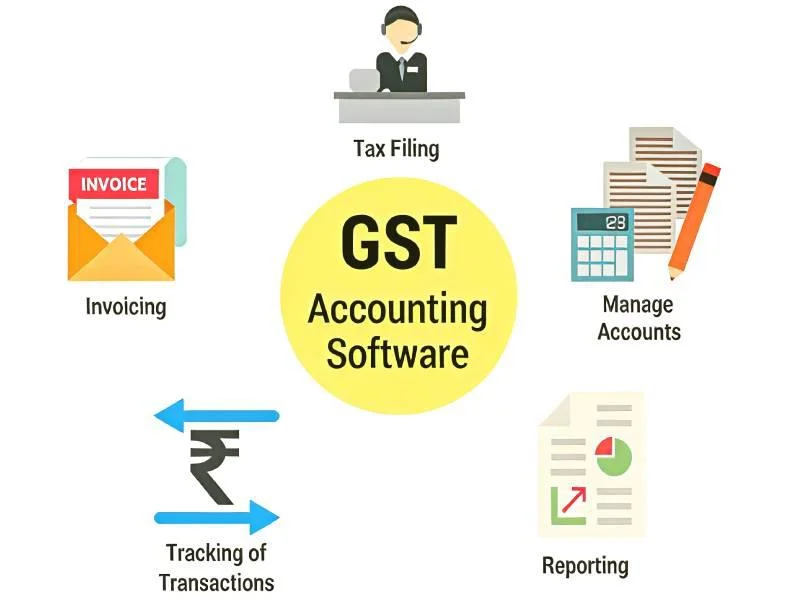
Accounting software refers to a class of applications designed to manage financial transactions and streamline accounting processes for businesses. Popular examples include Tally, QuickBooks, and Zoho Books. These tools automate various functions such as invoicing, payroll, expense tracking, and financial reporting, making it easier for businesses to maintain accurate financial records and comply with regulations.
These accounting solutions are primarily used by small to medium-sized enterprises (SMEs) and large corporations for managing their finances. They facilitate tasks such as budgeting, financial forecasting, and tax preparation. By simplifying these processes, companies can save time, reduce errors, and gain valuable insights into their financial health. The availability of cloud-based options further enhances accessibility and collaboration among teams.
In the current market landscape, accounting software plays a crucial role across various sectors. With the increasing need for financial transparency and efficiency, businesses are leaning towards technology-driven solutions. Tally, QuickBooks, and Zoho Books are recognized for their user-friendly interfaces and robust functionalities, making them relevant choices for many organizations.
𝗞𝗲𝘆 𝗙𝗲𝗮𝘁𝘂𝗿𝗲𝘀 𝗮𝗻𝗱 𝗦𝗽𝗲𝗰𝗶𝗳𝗶𝗰𝗮𝘁𝗶𝗼𝗻𝘀
Accounting software offers a variety of features designed to meet the diverse needs of businesses. The following specifications highlight key attributes that users can expect.
Key specifications include:
1. User Interface
- Intuitive design for easy navigation
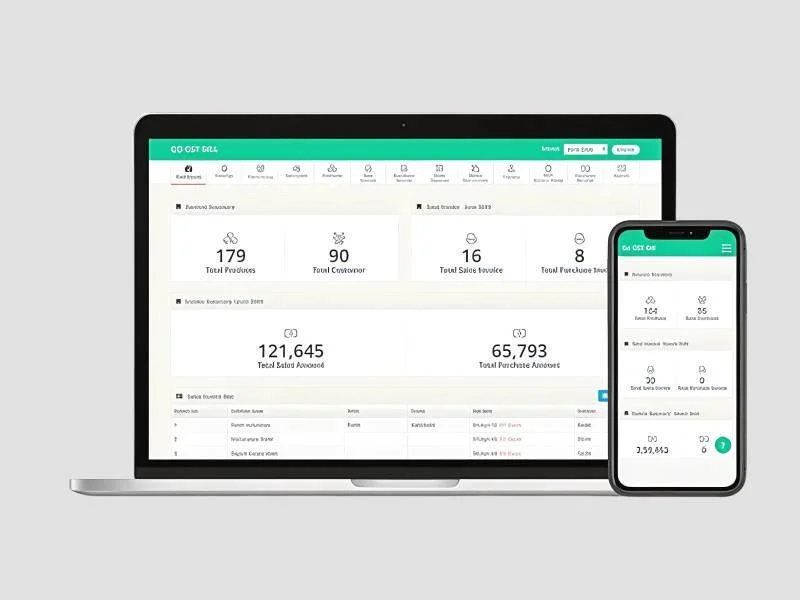
- Customizable dashboards for specific user needs
2. Multi-Currency Support
- Ability to handle transactions in multiple currencies
- Real-time conversion rates for accurate accounting
3. Financial Reporting
- Generation of standard and custom reports
- Options for profit and loss statements, balance sheets, and cash flow analysis
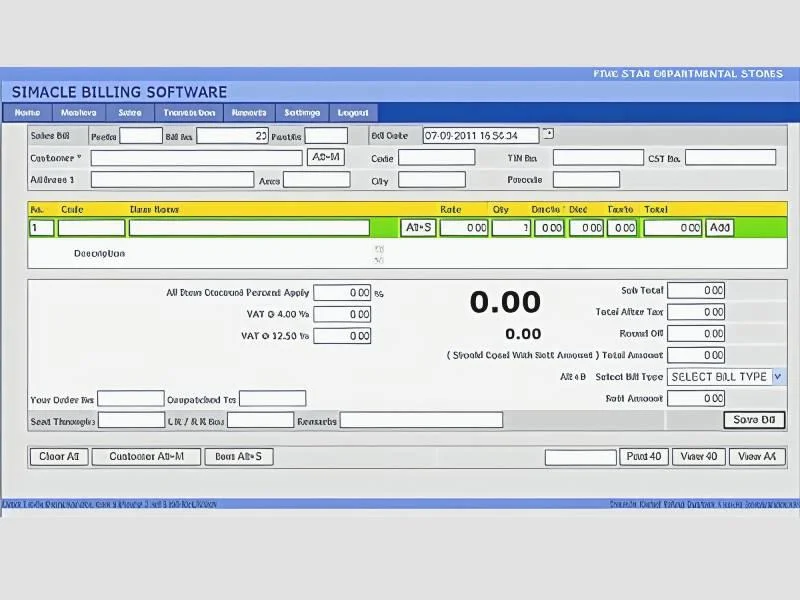
4. Invoicing
- Automated invoicing features with customizable templates
- Recurring billing options for subscription services
5. Tax Compliance
- Integrated tax calculation based on local regulations
- Support for generating tax reports
6. Mobile Access
- Availability of mobile applications for on-the-go access
- Synchronization with cloud-based data
7. Integration Capabilities
- Compatibility with other software such as CRM and ERP systems
- API support for advanced integrations
8. Security Features
- Data encryption for secure transactions
- Role-based access controls to safeguard sensitive information
These features collectively enhance the functionality of accounting software, making it a vital tool for businesses.
𝗖𝗼𝗺𝗺𝗼𝗻 𝗔𝗽𝗽𝗹𝗶𝗰𝗮𝘁𝗶𝗼𝗻𝘀 𝗮𝗻𝗱 𝗨𝘀𝗲 𝗖𝗮𝘀𝗲𝘀
Accounting software is versatile and serves various industries effectively.
1. Retail: In retail, businesses use accounting software to manage sales transactions, inventory, and supplier payments. It helps track daily sales and generate financial reports.
2. Manufacturing: Manufacturers rely on accounting software for managing production costs, payroll, and compliance with financial regulations. It aids in budgeting and forecasting.
3. Professional Services: Firms in consulting, law, and accounting utilize these tools to manage client billing, project costs, and expense tracking. It simplifies invoicing and time tracking.
4. E-commerce: Online retailers benefit from accounting software for tracking sales, managing returns, and handling multi-channel transactions. It also supports tax calculations for different jurisdictions.
5. Non-profits: Non-profit organizations use accounting software to manage donations, grants, and budgets. It helps in maintaining transparency and reporting to stakeholders.
6. Construction: In construction, these tools assist in project costing, payroll management, and compliance with industry standards. It supports tracking of expenses and invoicing for projects.
7. Healthcare: Healthcare providers use accounting software for managing patient billing, insurance claims, and payroll. It ensures compliance with financial regulations in the healthcare sector.
𝗣𝗿𝗼𝗱𝘂𝗰𝘁 𝗩𝗮𝗿𝗶𝗮𝗻𝘁𝘀 𝗮𝗻𝗱 𝗦𝘂𝗯𝗰𝗮𝘁𝗲𝗴𝗼𝗿𝗶𝗲𝘀
Accounting software comes in various forms to cater to different business needs.
Tally
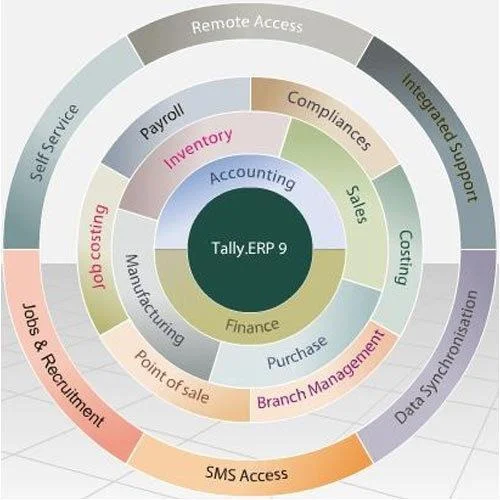
Tally is known for its comprehensive financial management capabilities. It offers features such as inventory management, payroll processing, and multi-currency support. Its user-friendly interface makes it suitable for businesses in various sectors.
QuickBooks
QuickBooks is a popular choice for small to medium-sized businesses. It provides robust tools for invoicing, expense tracking, and financial reporting. QuickBooks also offers cloud-based solutions for easier access and collaboration.
Zoho Books
Zoho Books is ideal for businesses looking for an all-in-one accounting solution. It includes features like automated workflows, project tracking, and integration with other Zoho applications. Its affordability and scalability make it appealing for startups and growing companies.
𝗕𝗲𝗻𝗲𝗳𝗶𝘁𝘀 𝗮𝗻𝗱 𝗔𝗱𝘃𝗮𝗻𝘁𝗮𝗴𝗲𝘀
Using accounting software provides numerous advantages for businesses.
1. Enhanced Accuracy: Automation reduces the chances of human error, ensuring more accurate financial records.
2. Time Savings: Streamlined processes save time on bookkeeping and financial management tasks, allowing teams to focus on core activities.
3. Improved Financial Insights: Real-time data and reporting capabilities help businesses make informed financial decisions.
4. Cost-Effective: By reducing the need for extensive manual labor and minimizing errors, businesses can save on operational costs.
5. Regulatory Compliance: Accounting software helps ensure compliance with financial regulations, reducing the risk of penalties.
6. Scalability: Many accounting solutions can grow with the business, accommodating increased transactions or additional users as needed.
𝗕𝘂𝘆𝗶𝗻𝗴 𝗚𝘂𝗶𝗱𝗲 𝗳𝗼𝗿 𝗕𝟮𝗕 𝗕𝘂𝘆𝗲𝗿𝘀
When sourcing accounting software, businesses should consider several critical factors.
1. Quality Assessment: Evaluate the software's reliability and performance based on user reviews and case studies. Look for ratings from trusted sources to ensure quality.
2. Supplier Verification: Ensure that suppliers have a proven track record of delivering reliable software solutions. Check for certifications and customer testimonials.
3. Pricing and MOQ: Understand the pricing structure, including any recurring fees. Consider the minimum order quantity and whether it aligns with your business needs.
4. Delivery and Lead Times: Assess the typical lead times for implementation and support services. Timely delivery is crucial for minimizing disruptions.
5. Compliance Requirements: Verify that the software complies with industry regulations and standards. This includes ensuring that it meets local tax laws and data protection regulations.
𝗖𝗼𝗺𝗽𝗹𝗶𝗮𝗻𝗰𝗲 𝗮𝗻𝗱 𝗖𝗲𝗿𝘁𝗶𝗳𝗶𝗰𝗮𝘁𝗶𝗼𝗻𝘀
Accounting software must adhere to various quality standards and regulations to ensure reliability and safety.
ISO 9001 is a widely recognized standard that focuses on quality management systems. Software that complies with this standard demonstrates a commitment to delivering high-quality products and services.
CE certification indicates that a product meets EU safety, health, and environmental protection standards. This certification assures users that the software complies with European regulations.
Additionally, it is important to consider safety and testing requirements specific to the industry. This includes ensuring that the software integrates well with existing systems and meets operational safety standards.
Regional compliance considerations may also come into play, especially for companies operating in multiple jurisdictions. It is essential to understand local regulations surrounding financial reporting and data protection.
Why Source Accounting Software (Tally, QuickBooks, Zoho Books) from Pepagora?
Pepagora offers a trusted platform for sourcing accounting software, providing several advantages for B2B buyers.
Verified Supplier Network: Pepagora ensures that all suppliers are vetted thoroughly, providing buyers with peace of mind regarding the quality and reliability of the software they purchase.
Streamlined RFQ Process: The platform simplifies the request for quotation process, allowing buyers to easily compare pricing and features from multiple suppliers, saving time and effort.
Trade Assurance and Support: Pepagora offers trade assurance, protecting buyers during transactions. Support services are also available to assist with any issues that may arise.
Regional Coverage: Pepagora's geographic reach includes India, the GCC, and Southeast Asia, making it easier for businesses in these regions to find suitable accounting solutions tailored to their needs.
Newly Added











Recently Added
Excel Solutions
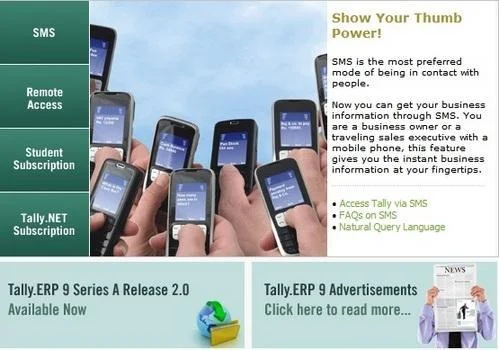
Tally.ERP9 Integration Services For CRM, E commerce, And Inventory
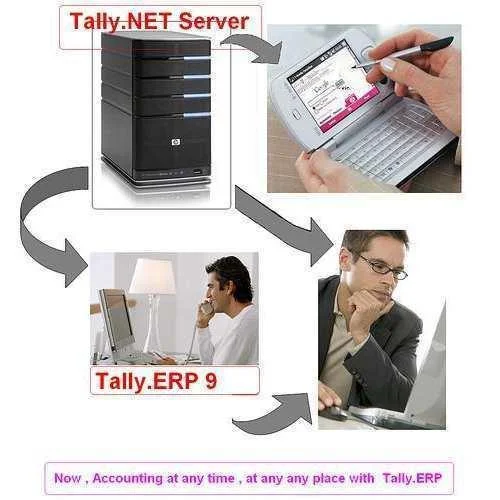
Tally.ERP9 Business Management Software for SMEs and Distributors
SME Business Management Software Tally9 Accounting Inventory Compliance
Apex Enterprises
Secure Document Shredder For Office And Home Data Protection
Professional Spiral Binding Machine 350mm Width 51mm Capacity
Office Laminators Fellowes Durable Portable A3 ID Card
CLM Software Solutions
Secure Email Digital Signing Encryption Class 1 Silver Certificate
Digital Security Class 2 Gold Certificate For Importers And Distributors
Digital Security Class 3 Platinum Certificate For Secure Transactions
Abhi Info Tech
LCD Desktop Monitors 17 19 21 Inch LG Samsung Acer
Enterprise Bulk Data Storage Hard Disks High Capacity Reliable
Business Desktop Virtualization Access Devices vSpace Software
Echjay Computer
Premium Server And Laptop Accessories For IT Infrastructure And Data Centers
Business Wireless Network And Email Solutions With Advanced Security
Professional Plotters And Printers For Precision Technical Drawings
Abhay Agencies
Commercial Ultrasonic Pest Repeller Silent Chemical Free 24/7 Control
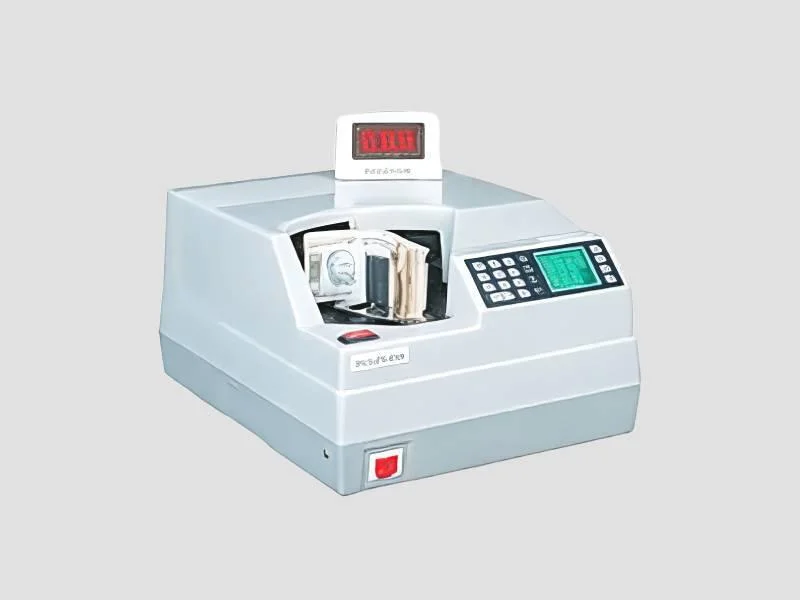
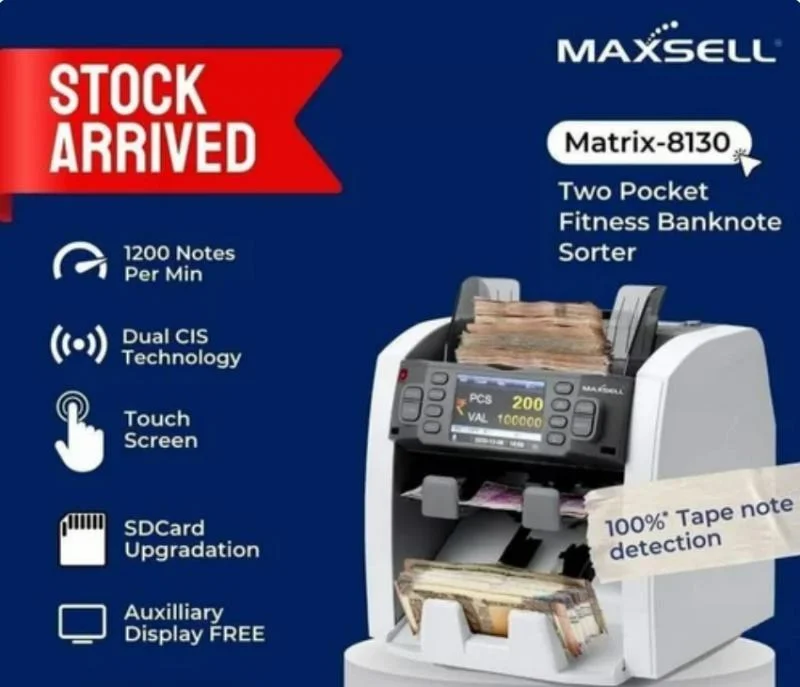
Banking Retail Financial High Speed Bundle Note Counting Machine With Counterfeit Detection
Bank Retail Cash Bundle Counting Machine High Precision Free Count
urmi technology
Office Shredder GBC Shred Master XP 422+ Cross Cut 20 Sheet Capacity
Small Office GBC Shredmaster S206 Compact Strip Cut Paper Shredder
Office Cross Cut Shredder GBC ShredMaster Autofeed 50X 50 Sheet
Nemmadi Technologies Private Limited
Commercial Security Surveillance Cameras 2MP 30m Range IP Analog Wi Fi
3 MP Wireless CCTV Camera 1080p HD Indoor Outdoor Security
Outdoor Security 4G Solar Camera with Human Detection and 256GB Storage
Ace Business System
Industrial Lamination Machine 330T Hydraulic System A3 Size
Industrial Lamination Machine DL 18 Hydraulic Press A 2 Size
Professional Lamination Machine Type 320 Thermal Cold Adjustable Temperature
Why Businesses Trust Pepagora
Thousands of companies trust Pepagora to source smarter and sell faster
Expand Your Sales Globally
25000+Products listed.Get discovered by global buyers
Tools to boost visibility
Build your own catalog

Source Smarter,Grow Faster
4000+Active RFQs
100+ Countries served
Easy Sourcing Tools
