
 IN
INundefined
AC Alternators
1 products available
𝗪𝗵𝗮𝘁 𝗮𝗿𝗲 𝗔𝗖 𝗔𝗹𝘁𝗲𝗿𝗻𝗮𝘁𝗼𝗿𝘀?
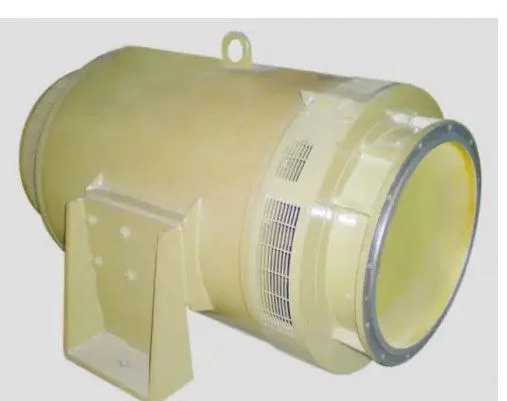
AC alternators are electrical devices that convert mechanical energy into alternating current (AC) electricity through electromagnetic induction. They play a crucial role in generating electrical power for various applications, from small-scale operations to large industrial systems. The core components of an AC alternator include a rotor, stator, and excitation system, which work together to produce a reliable source of electricity.
These alternators are widely utilized in industries such as manufacturing, construction, and renewable energy. They are essential for powering equipment, tools, and machinery, ensuring smooth operational processes. As industries increasingly rely on consistent electrical supply, AC alternators have gained significant importance in maintaining productivity and efficiency. The global market for AC alternators continues to grow, driven by advancements in technology and the demand for sustainable energy solutions.
𝗞𝗲𝘆 𝗙𝗲𝗮𝘁𝘂𝗿𝗲𝘀 𝗮𝗻𝗱 𝗦𝗽𝗲𝗰𝗶𝗳𝗶𝗰𝗮𝘁𝗶𝗼𝗻𝘀
AC alternators are equipped with several key features that enhance their performance and reliability. Understanding these specifications is essential for selecting the right alternator for specific applications.
Key specifications include:
1. Power Output
- Typical ranges from small units producing a few kilowatts to large industrial models generating megawatts.
2. Voltage Rating
- Common ratings include 120V, 240V, and 480V, suitable for different applications.
3. Frequency
- Standard operation at 50Hz or 60Hz, depending on regional requirements.
4. Efficiency
- High-efficiency models can exceed 90%, reducing energy losses.
5. Cooling System
- Options include air-cooled and liquid-cooled designs to manage temperature effectively.
6. Rotor Type
- Synchronous and asynchronous rotors offer different operational characteristics.
7. Size and Weight
- Compact models are available for mobile applications, while larger units cater to fixed installations.
8. Control Systems
- Advanced monitoring and control features ensure optimal performance and reliability.
In summary, these specifications highlight the versatility and adaptability of AC alternators, making them suitable for a wide range of applications.
𝗖𝗼𝗺𝗺𝗼𝗻 𝗔𝗽𝗽𝗹𝗶𝗰𝗮𝘁𝗶𝗼𝗻𝘀 𝗮𝗻𝗱 𝗨𝘀𝗲 𝗖𝗮𝘀𝗲𝘀
AC alternators serve various industries, providing essential power solutions.
1. Manufacturing: AC alternators are crucial for powering machinery and production lines, ensuring uninterrupted operations.
2. Construction: They are used on job sites to supply electricity for tools, lighting, and equipment.
3. Renewable Energy: Wind and hydroelectric power systems utilize AC alternators to convert mechanical energy into electrical power.
4. Telecommunications: These alternators support backup power systems to maintain service during outages.
5. Transportation: AC alternators are employed in marine and automotive applications for charging batteries and powering electrical systems.
6. Agriculture: They provide energy for irrigation systems and equipment used in farming.
7. Mining: AC alternators power heavy machinery and equipment in challenging environments.
𝗣𝗿𝗼𝗱𝘂𝗰𝘁 𝗩𝗮𝗿𝗶𝗮𝗻𝘁𝘀 𝗮𝗻𝗱 𝗦𝘂𝗯𝗰𝗮𝘁𝗲𝗴𝗼𝗿𝗶𝗲𝘀
AC alternators come in various configurations to meet diverse operational needs.
Portable AC Alternators
These units are designed for mobility, making them ideal for temporary power solutions at construction sites or outdoor events. They are lightweight and easy to transport, providing reliable electricity in remote locations.
Industrial AC Alternators
These heavy-duty models are built for rigorous applications in manufacturing and large facilities. They offer high power output and durability, capable of handling continuous operations in demanding environments.
𝗕𝗲𝗻𝗲𝗳𝗶𝘁𝘀 𝗮𝗻𝗱 𝗔𝗱𝘃𝗮𝗻𝘁𝗮𝗴𝗲𝘀
AC alternators offer numerous benefits that enhance their appeal to businesses.
1. Reliability: AC alternators provide a consistent and stable power supply, essential for operational continuity.
2. Versatility: They can be used in various applications, from small-scale to large industrial settings.
3. Efficiency: High-efficiency models minimize energy losses, reducing operational costs.
4. Customization: Many manufacturers offer tailored solutions to meet specific power requirements.
5. Durability: Built with robust materials, AC alternators are designed to withstand harsh conditions and long operational hours.
6. Maintenance: With proper care, these devices can have a long service life, minimizing downtime and repair costs.
𝗕𝘂𝘆𝗶𝗻𝗴 𝗚𝘂𝗶𝗱𝗲 𝗳𝗼𝗿 𝗕𝟮𝗕 𝗕𝘂𝘆𝗲𝗿𝘀
When sourcing AC alternators, businesses should consider several critical factors.
1. Quality Assessment: Ensure the alternators meet industry standards for performance and reliability. Look for certifications and quality control processes.
2. Supplier Verification: Vet suppliers through references, reviews, and their track record in delivering quality products. A reputable supplier can ensure timely delivery and support.
3. Pricing and MOQ: Understand the pricing structure and minimum order quantities. Compare different suppliers to find the best value for your needs.
4. Delivery and Lead Times: Confirm delivery schedules and lead times to ensure that your project timelines are met without delays.
5. Compliance Requirements: Be aware of regulatory compliance and safety standards specific to your region and industry. This ensures that the products meet legal and operational requirements.
𝗖𝗼𝗺𝗽𝗹𝗶𝗮𝗻𝗰𝗲 𝗮𝗻𝗱 𝗖𝗲𝗿𝘁𝗶𝗳𝗶𝗰𝗮𝘁𝗶𝗼𝗻𝘀
AC alternators must adhere to relevant quality standards to ensure safety and reliability. Common standards include ISO 9001, which focuses on quality management systems, and CE certification, indicating compliance with European safety regulations.
Additionally, manufacturers should consider safety and testing requirements to guarantee that their products meet industry benchmarks. Compliance with local and regional regulations, such as those specific to electrical devices, is essential for ensuring safe operation and market acceptance.
Being aware of these compliance standards assists businesses in making informed sourcing decisions and maintaining operational safety.
𝗪𝗵𝘆 𝗦𝗼𝘂𝗿𝗰𝗲 𝗔𝗖 𝗔𝗹𝘁𝗲𝗿𝗻𝗮𝘁𝗼𝗿𝘀 𝗳𝗿𝗼𝗺 𝗣𝗲𝗽𝗮𝗴𝗼𝗿𝗮?
Pepagora provides a trusted platform for sourcing AC alternators, offering several key advantages to businesses.
Verified Supplier Network: Pepagora partners with reputable suppliers, ensuring that buyers have access to high-quality products. This network undergoes rigorous verification processes to maintain standards.
Streamlined RFQ Process: The platform simplifies the request for quotation process, allowing businesses to receive and compare offers quickly. This efficiency saves time and enhances decision-making.
Trade Assurance and Support: Buyers benefit from trade assurance features that protect their purchases and provide support throughout the sourcing process. This assurance builds confidence in transactions.
Regional Coverage: Pepagora serves a wide geographic area, including India, GCC, and Southeast Asia. This broad reach enables businesses to find local suppliers and reduce shipping times and costs.
By leveraging these advantages, businesses can confidently source AC alternators that meet their operational needs while ensuring quality and reliability.


Recently Added
ATUL GENERATORS PVT LTD
ATUL PVC Submersible Pipes For Borewell Water Supply Systems
ATUL PVC Column Pipes 1 5 Inch Corrosion Free Water Transfer
Atul PVC Ribbed Pipes For Borewell Applications Lightweight Corrosion Resistant
Mak Controls and Systems Pvt Ltd
Aircraft Ground Power Unit 400Hz AC 28.5V DC With Touchscreen Controls
Aviation Ground Support MAK Self Propelled GPU 400Hz AC 28.5V DC Aircraft Power Unit
Aircraft Ground Support MAK 400 Hz Alternator Brushless AC Power
Why Businesses Trust Pepagora
Thousands of companies trust Pepagora to source smarter and sell faster
Expand Your Sales Globally
25000+Products listed.Get discovered by global buyers
Tools to boost visibility
Build your own catalog

Source Smarter,Grow Faster
4000+Active RFQs
100+ Countries served
Easy Sourcing Tools
