
 IN
INundefined
Abrasive Belts for Sharpening Machines
6 products available
𝗪𝗵𝗮𝘁 𝗮𝗿𝗲 𝗔𝗯𝗿𝗮𝘀𝗶𝘃𝗲 𝗕𝗲𝗹𝘁𝘀 𝗳𝗼𝗿 𝗦𝗵𝗮𝗿𝗽𝗲𝗻𝗶𝗻𝗴 𝗠𝗮𝗰𝗵𝗶𝗻𝗲𝘀?
Abrasive belts for sharpening machines are specialized tools designed to sharpen and refine the edges of various materials, primarily metals. These belts are composed of a backing material coated with abrasive particles that effectively grind away material, resulting in a sharper edge. The belts are typically used in powered sharpening machines, which enhance the efficiency and consistency of the sharpening process compared to manual methods.
These belts find primary use in industries where precision sharpening is critical, such as metalworking, woodworking, and manufacturing. Businesses utilize abrasive belts to maintain tools, blades, and other cutting implements, ensuring they perform at optimal levels. The demand for high-quality sharpening solutions has led to a growing market for abrasive belts, making them a crucial component in production lines where cutting efficiency is paramount.
𝗞𝗲𝘆 𝗙𝗲𝗮𝘁𝘂𝗿𝗲𝘀 𝗮𝗻𝗱 𝗦𝗽𝗲𝗰𝗶𝗳𝗶𝗰𝗮𝘁𝗶𝗼𝗻𝘀
Abrasive belts for sharpening machines come with various features that cater to different sharpening needs. Understanding these specifications helps businesses select the right type for their applications.
Key specifications include:
1. Abrasive Material
- Common materials include aluminum oxide and silicon carbide.
- Each material offers distinct grinding properties suitable for various applications.
2. Grit Size
- Grit sizes range from coarse (for heavy material removal) to fine (for finishing and polishing).
- Typical grit sizes vary from 36 to 1200, allowing versatility in sharpening tasks.
3. Belt Width
- Available in widths ranging from 1 inch to 12 inches or more.
- Wider belts are suitable for larger tools and machines.
4. Belt Length
- Standard lengths include options that fit most sharpening machines.
- Lengths can vary significantly based on machine specifications.
5. Backing Material
- Backing options include cloth, paper, or film.
- The choice of backing affects durability and flexibility.
6. Bonding Type
- Common bonding types include resin and adhesive.
- The bonding type impacts abrasive retention and performance under heat.
7. Temperature Resistance
- Designed to withstand varying temperatures during use.
- Specific temperature ratings depend on the abrasive material.
8. Compliance with Standards
- Many belts adhere to industry standards for quality and safety.
- Certification such as CE ensures compliance with European regulations.
Abrasive belts are essential for achieving optimal sharpening results, contributing to the overall productivity and performance of sharpening machines.
𝗖𝗼𝗺𝗺𝗼𝗻 𝗔𝗽𝗽𝗹𝗶𝗰𝗮𝘁𝗶𝗼𝗻𝘀 𝗮𝗻𝗱 𝗨𝘀𝗲 𝗖𝗮𝘀𝗲𝘀
Abrasive belts for sharpening machines serve multiple industries, each with specific applications that highlight their versatility.
1. Metalworking: In metal fabrication shops, abrasive belts are used to sharpen tools like chisels, blades, and end mills, ensuring precision cutting.
2. Woodworking: Wood shops utilize these belts for sharpening saw blades and router bits, maintaining cutting efficiency and quality finishes.
3. Manufacturing: Factories use abrasive belts for mass production of sharpened tools, optimizing workflow and reducing downtime.
4. Automotive: In automotive repair shops, these belts are essential for sharpening cutting tools and blades used in machining and bodywork.
5. Aerospace: Aerospace manufacturers use abrasive belts for precision sharpening of components, which is critical for safety and performance.
6. Construction: In construction, abrasive belts are used to sharpen tools and implements necessary for various tasks, enhancing work efficiency.
7. Jewelry Making: Jewelers employ abrasive belts for finely sharpening tools used in intricate designs and engravings.
𝗣𝗿𝗼𝗱𝘂𝗰𝘁 𝗩𝗮𝗿𝗶𝗮𝗻𝘁𝘀 𝗮𝗻𝗱 𝗦𝘂𝗯𝗰𝗮𝘁𝗲𝗴𝗼𝗿𝗶𝗲𝘀
Abrasive belts for sharpening machines come in various types, catering to diverse needs within different industries.
Aluminum Oxide Belts
These belts are durable and suitable for a range of metals. They are commonly used in general-purpose sharpening and are known for their long-lasting performance.
Silicon Carbide Belts
Ideal for sharpening non-ferrous materials, silicon carbide belts provide a fine finish. They are commonly used in applications requiring a smooth edge, such as woodworking.
Ceramic Belts
These belts offer superior cutting performance and are ideal for heavy-duty applications. They are commonly used in high-production environments where efficiency is critical.
𝗕𝗲𝗻𝗲𝗳𝗶𝘁𝘀 𝗮𝗻𝗱 𝗔𝗱𝘃𝗮𝗻𝘁𝗮𝗴𝗲𝘀
Abrasive belts for sharpening machines offer numerous benefits that enhance operational efficiency.
1. Improved Sharpening Efficiency: Abrasive belts significantly speed up the sharpening process compared to manual methods.
2. Consistent Results: Using these belts ensures uniform sharpening, leading to better tool performance and longevity.
3. Versatility in Applications: With various grit sizes and materials, abrasive belts can be tailored for multiple applications across industries.
4. Cost-Effective: The durability of abrasive belts reduces the frequency of replacements, leading to cost savings over time.
5. Enhanced Safety: Properly sharpened tools reduce the risk of accidents and improve workplace safety.
6. Easy to Use: Abrasive belts can be quickly replaced and installed on sharpening machines, minimizing downtime.
𝗕𝘂𝘆𝗶𝗻𝗴 𝗚𝘂𝗶𝗱𝗲 𝗳𝗼𝗿 𝗕𝟮𝗕 𝗕𝘂𝘆𝗲𝗿𝘀
When sourcing abrasive belts for sharpening machines, it is crucial for buyers to consider several factors to ensure they select the right products.
1. Quality Assessment: Evaluate the quality of abrasive belts based on material and grit size. Look for reputable brands that meet industry standards to ensure durability and performance.
2. Supplier Verification: Conduct thorough research on suppliers to confirm their reliability. Check for reviews, certifications, and their history in the market.
3. Pricing and MOQ: Understand the pricing structure and minimum order quantities. Request quotes from multiple suppliers to find the best deal that suits your budget.
4. Delivery and Lead Times: Inquire about lead times for delivery to avoid disruptions in your operations. Confirm that suppliers can meet your scheduling needs.
5. Compliance Requirements: Ensure that the abrasive belts meet any regulatory compliance specific to your industry. This may include safety certifications and quality standards.
𝗖𝗼𝗺𝗽𝗹𝗶𝗮𝗻𝗰𝗲 𝗮𝗻𝗱 𝗖𝗲𝗿𝘁𝗶𝗳𝗶𝗰𝗮𝘁𝗶𝗼𝗻𝘀
Compliance with industry standards is essential for ensuring the quality and safety of abrasive belts for sharpening machines.
Many abrasive belts adhere to ISO 9001 standards, which ensure consistent quality management processes. Additionally, certifications like CE indicate that products meet European safety and environmental requirements.
Safety and testing requirements are critical for abrasive belts, as they must withstand various operational stresses without failure. Manufacturers often conduct rigorous testing to ensure reliability.
Regional compliance considerations may vary based on local regulations. It is essential for businesses to be aware of these requirements to avoid legal issues and ensure safe operations.
𝗪𝗵𝘆 𝗦𝗼𝘂𝗿𝗰𝗲 𝗔𝗯𝗿𝗮𝘀𝗶𝘃𝗲 𝗕𝗲𝗹𝘁𝘀 𝗳𝗼𝗿 𝗦𝗵𝗮𝗿𝗽𝗲𝗻𝗶𝗻𝗴 𝗠𝗮𝗰𝗵𝗶𝗻𝗲𝘀 𝗳𝗿𝗼𝗺 𝗣𝗲𝗽𝗮𝗴𝗼𝗿𝗮?
Pepagora provides a trusted platform for sourcing abrasive belts for sharpening machines, offering numerous advantages that benefit buyers.
Verified Supplier Network: Pepagora ensures that all suppliers in its network are thoroughly vetted. This process guarantees that buyers are connected with reliable and quality-focused manufacturers.
Streamlined RFQ Process: The request for quotation (RFQ) system offered by Pepagora simplifies the procurement process. Buyers can easily compare prices and specifications from multiple suppliers, saving time and effort.
Trade Assurance and Support: Pepagora prioritizes buyer protection through trade assurance programs. These initiatives provide an added layer of security for transactions, ensuring buyer confidence.
Regional Coverage: With a wide geographic reach across India, the GCC, and Southeast Asia, Pepagora facilitates access to a diverse range of suppliers. This ensures that businesses can find the appropriate abrasive belts for their specific sharpening needs.
Newly Added


Recently Added
Karnal Agricultural Industries Ltd
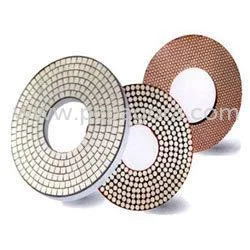
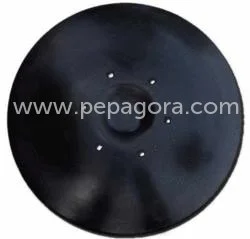
Industrial Flat Wavy Discs For Grinding Polishing Surface Prep
Industrial Notched Discs For Grinding And Cutting Applications
Industrial Abrasive Flat Back Discs For Grinding And Finishing
Abratech
Industrial Stone Grinding Wheels For Heavy Duty Applications
Industrial Aluminum Oxide Grinding Wheels For Metalworking
Industrial Grinding Depressed Center Wheels Reinforced Glass Fiber
Bhanu Cerglaze Private Limited
Abrasive Bonding Frits For High Performance Grinding And Cutting Tools
Industrial Abrasive Bond Frit For Grinding Wheels And Cutting Discs
Industrial Ceramic Tile Powdered Frits For Glazed Porcelain Monocottura
Bombay Traders
Industrial Stainless Steel Fasteners High Grade Corrosion Resistant
Premium HSS Cutting Tools For Industrial Metal Woodworking Applications
Industrial Adhesives For Manufacturing Construction Packaging
Aandhiwal Welding Supplies
Industrial Power Tools For Construction And Manufacturing By Bosch
Industrial Gas Cutting Equipment Nozzle Mixing Lightweight Precision
Industrial Hand Sleeves For Work Protection Multiple Sizes Colors
Amazon Brush Company
Industrial Abrasive Rolls For Metal Wood Composite Finishing
Industrial Coated Abrasives Emery Belts For Grinding And Finishing
Industrial Flap Discs For Metal Grinding And Surface Finishing
Why Businesses Trust Pepagora
Thousands of companies trust Pepagora to source smarter and sell faster
Expand Your Sales Globally
25000+Products listed.Get discovered by global buyers
Tools to boost visibility
Build your own catalog

Source Smarter,Grow Faster
4000+Active RFQs
100+ Countries served
Easy Sourcing Tools
