IN
INundefined

Similar Products
Description
Universal testing machines represent essential equipment for evaluating material mechanical properties with precision and reliability. These sophisticated systems measure how mater...
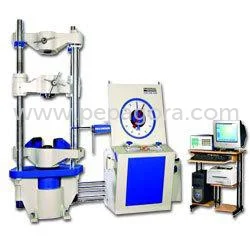
Universal testing machines represent essential equipment for evaluating material mechanical properties with precision and reliability. These sophisticated systems measure how materials respond to applied forces, determining critical characteristics including tensile strength, compressive resistance, and flexural behavior. Engineered for accuracy and repeatability, they provide quantitative data that informs material selection, product design, and quality assurance protocols. The equipment accommodates various specimen types and sizes through adaptable fixtures and grips, while digital interfaces facilitate test setup, monitoring, and result analysis. This comprehensive testing capability supports evidence-based decision-making in both production environments and research settings.

Multiple industries depend on these testing solutions to validate material performance and ensure regulatory compliance. Manufacturing facilities utilize them for incoming material inspection, in-process quality checks, and final product verification. Research institutions apply them in material science studies, new compound development, and comparative analysis of material alternatives. Specific sectors including automotive, aerospace, construction, and packaging rely on the data generated to certify material suitability for intended applications. The testing results help manufacturers maintain consistent quality standards while supporting innovation through material performance optimization.

Businesses benefit from the reliability and precision these machines deliver throughout their operational lifecycle. The robust construction ensures consistent performance in demanding industrial environments, while calibration capabilities maintain measurement accuracy over extended periods. The versatility to test multiple material types reduces equipment requirements and operational complexity. Data integrity supports compliance documentation and quality certification processes. The investment in quality testing equipment ultimately contributes to product reliability, customer satisfaction, and reduced liability through verified material performance.

Key Features:
- Multi-functional testing capabilities for tension, compression, and bending evaluations
- Precise load measurement with high accuracy sensors and calibration systems
- Versatile specimen accommodation with interchangeable grips and fixtures
- Digital control interface for test parameter configuration and monitoring
- Robust construction ensuring durability in industrial environments

Benefits:
- Reliable material performance data supporting quality assurance decisions
- Compliance with international testing standards and industry specifications
- Reduced material failure risks through comprehensive strength verification
- Enhanced product development through empirical material behavior analysis
- Long-term operational consistency with minimal maintenance requirements
Specifications
| Additional Information | |
|---|---|
| Country of Origin | India |
| Customisable | No |
Application
Universal testing machines serve critical roles in material verification across diverse sectors. These systems perform tension, compression, and bending tests to evaluate mechanical properties like tensile strength, yield point, and elasticity. They provide essential data for quality verification during production processes and material development phases. The versatility allows testing various materials including metals, polymers, composites, and textiles under controlled conditions.

Industries rely on these machines for compliance with international standards and specifications. From automotive component validation to construction material certification, the equipment ensures products meet required performance thresholds. Research institutions utilize them for material science studies while manufacturing facilities implement them for batch quality assurance. The testing capabilities support innovation in new material development and existing product improvement initiatives.

Real-world applications:
- Quality control verification in automotive parts manufacturing for strength and durability testing
- Material research laboratories developing advanced composites for aerospace applications
- Construction industry testing of steel, concrete, and building materials for safety compliance
- Packaging manufacturers evaluating material integrity under various stress conditions
- Educational institutions providing hands-on engineering training with practical testing equipment
Trade Details
| Available Stock | In stock |
| Sample Availability | No |
Payment Terms
| Payment Terms |
|
| Payment Methods |
|
Company Profile

PSI Sales Pvt Ltd, New Delhi New Delhi, India
New Delhi, IndiaIndustrial Equipment & Machinery•Manufacturer
Factory Details
Factory SizeBelow 1000 sqm
Universal Testing Machine For Material Strength Testing In Manufacturing And Research
Universal Testing Machine by leading manufacturers for material strength testing in manufacturing and research, featuring precise tension, compression, and bending capabilities with reliable performance.
Min. Order Quantity: 1 pieces
Shipping
Shipping fee and delivery date to be negotiated. Contact supplier now for more details.
PSI Sales Pvt Ltd
 New Delhi, India
New Delhi, IndiaIndustrial Equipment & MachineryManufacturer