IN
INundefined
Similar Products
Description
Commercial Industrial Solar Panel Systems represent advanced photovoltaic technology that converts sunlight directly into usable electricity through high-efficiency silicon cells. ...
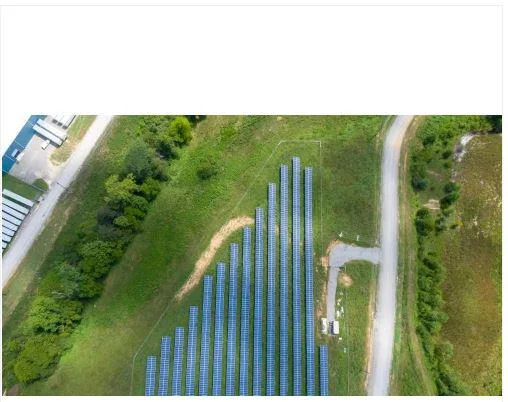
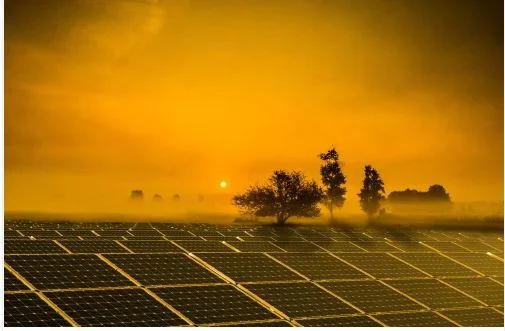
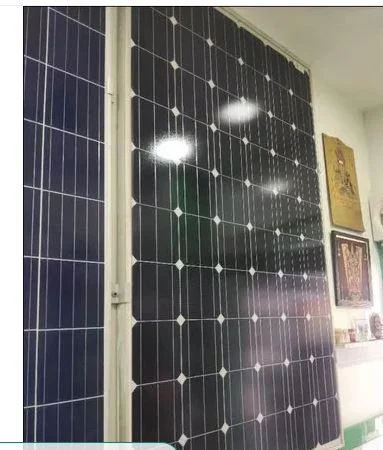
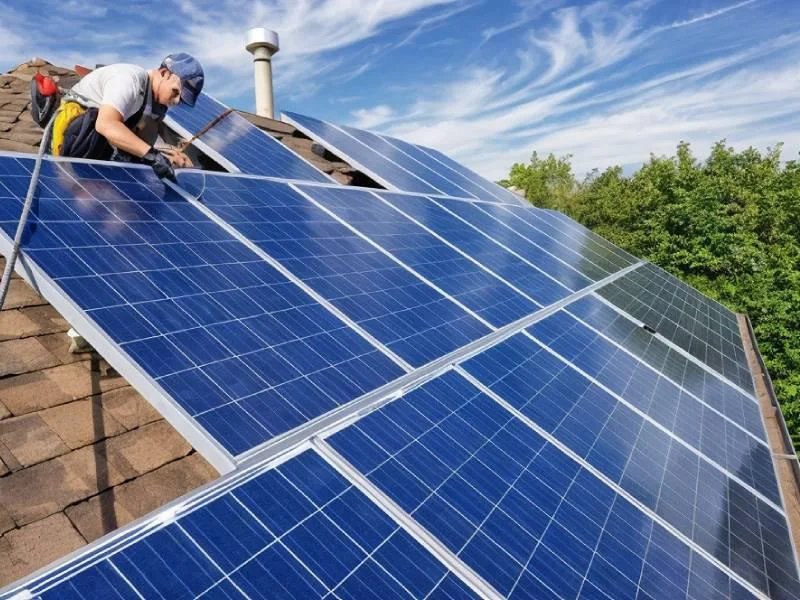
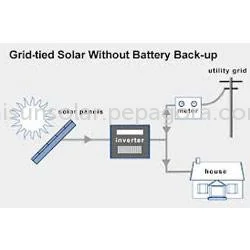
Commercial Industrial Solar Panel Systems represent advanced photovoltaic technology that converts sunlight directly into usable electricity through high-efficiency silicon cells. These comprehensive systems include solar panels, inverters, mounting structures, and monitoring equipment designed for seamless integration into existing commercial and industrial infrastructures. Available in grid-tied, off-grid, and hybrid configurations, they offer flexibility for diverse energy requirements while maintaining consistent power output. The technology features both monocrystalline and polycrystalline options, each providing distinct efficiency advantages for different climatic conditions and installation environments, ensuring optimal performance across various geographical locations.

Multiple industries increasingly adopt solar panel systems as primary or supplementary power sources. Manufacturing facilities utilize them to operate heavy machinery and production lines, while retail chains install rooftop systems to power lighting, HVAC, and point-of-sale systems. Agricultural businesses employ solar for irrigation pumps and processing equipment, and logistics companies integrate them into warehouse operations to reduce energy costs. The technology's scalability makes it suitable for small enterprises through to large industrial complexes seeking energy independence and operational resilience against power disruptions.

Investing in solar panel systems delivers substantial business value through reduced electricity costs and enhanced operational reliability. These systems provide predictable energy pricing, protecting businesses from utility rate fluctuations while demonstrating environmental commitment to stakeholders and communities. With lifespans exceeding 25 years and minimal maintenance requirements, they offer strong return on investment through energy savings and potential government incentives. The reliability of modern solar technology ensures consistent performance even in demanding industrial environments, making them a strategic long-term investment for forward-thinking organizations focused on sustainable growth.

Key Features:
- High-efficiency monocrystalline and polycrystalline solar panels for maximum energy conversion
- Durable photovoltaic technology designed for commercial and industrial scale applications
- Complete systems including panels, inverters, mounting structures, and monitoring equipment
- Grid-tied, off-grid, and hybrid configurations for flexible installation options
- Scalable designs suitable for various facility sizes and energy requirements

Benefits:
- Significant reduction in operational electricity costs and long-term energy expenses
- Enhanced energy security and reliability for continuous business operations
- Predictable energy pricing protection against utility rate fluctuations
- Minimal maintenance requirements with system lifespans exceeding 25 years
- Environmental advantages through clean, renewable energy generation and reduced carbon footprint
Specifications
| Additional Information | |
|---|---|
| Country of Origin | India |
| Customisable | No |
Application
Commercial solar panel systems deliver primary or backup power for retail spaces, office buildings, and manufacturing plants. These installations significantly reduce grid dependency while supporting sustainability objectives through clean energy generation during peak operational hours, ensuring consistent power availability for daily business activities.

Industrial-grade solar solutions power heavy manufacturing equipment, extensive warehouse operations, and large-scale facility infrastructure. They guarantee energy security for continuous production cycles while dramatically lowering long-term electricity expenses and carbon footprints across entire operational supply chains, providing financial and environmental advantages.
- Powering retail store lighting, HVAC systems, and electronic payment terminals during business hours
- Supporting continuous operation of manufacturing plant machinery and automated assembly lines
- Providing reliable energy for warehouse lighting, security systems, and material handling equipment
- Supplying electricity for corporate office complexes, data centers, and communication systems
- Enabling agricultural operations including irrigation pumps, processing facilities, and cold storage units
Trade Details
| Available Stock | In stock |
| Sample Availability | No |
Payment Terms
| Payment Terms |
|
Company Profile

Kondaas Automation Pvt Ltd, Tamil Nadu Tamil Nadu, India
Tamil Nadu, IndiaElectronics & Electrical•ManufacturerRetailer
Factory Details
Factory SizeBelow 1000 sqm
Annual Production Capacity0
Commercial Industrial Solar Panel Systems High Efficiency Renewable Energy
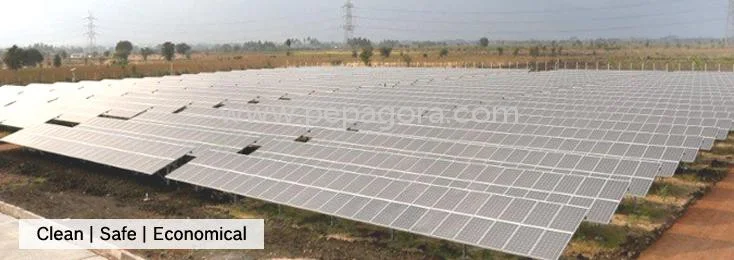
Commercial Industrial Solar Panel Systems provide high-efficiency renewable energy solutions for factories, warehouses, and large facilities. These durable photovoltaic systems reduce operational costs with reliable, scalable power generation.
Min. Order Quantity: 1 Pieces
Shipping
Shipping fee and delivery date to be negotiated. Contact supplier now for more details.
Kondaas Automation Pvt Ltd
 Tamil Nadu, India
Tamil Nadu, IndiaElectronics & ElectricalManufacturer