
 IN
INundefined

Similar Products
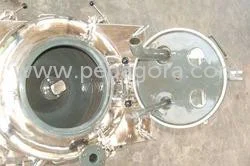
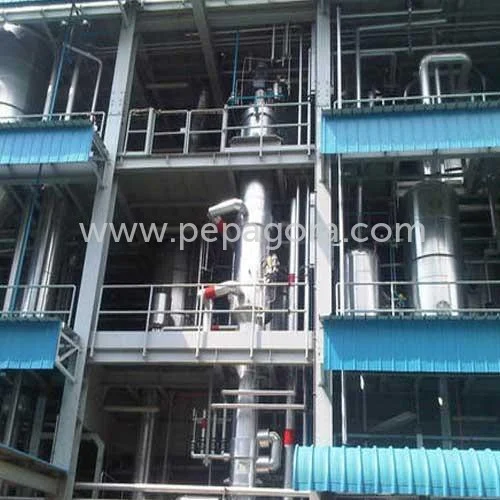

Description
Industrial reactive distillation systems represent a significant advancement in process intensification by seamlessly combining chemical reaction and distillation within a single, ...
Industrial reactive distillation systems represent a significant advancement in process intensification by seamlessly combining chemical reaction and distillation within a single, integrated unit. This innovative design dramatically improves overall process efficiency, increases product yield, and reduces both energy consumption and waste generation compared to conventional sequential reaction and separation setups. Engineered for robust, continuous operation in demanding industrial environments, these systems are constructed from durable, corrosion-resistant materials such as stainless steel and specialized alloys to reliably handle aggressive chemicals, high temperatures, and varying pressures. The technology offers seamless integration into existing plant infrastructure, providing a compact and efficient solution for industries focused on optimizing production and embracing sustainable manufacturing practices.

Multiple sectors leverage reactive distillation technology for their core production needs. Chemical manufacturers depend on these systems for efficient esterification and hydrolysis reactions, producing essential compounds with higher purity and significantly lower energy input. Petrochemical plants employ them for critical processes like alkylation and etherification to create valuable fuel additives and chemical intermediates. The pharmaceutical industry utilizes this technology for synthesizing high-purity intermediates and active ingredients under precisely controlled, reproducible conditions. Furthermore, biofuel producers implement reactive distillation for transesterification processes that convert feedstocks into biodiesel, ensuring high conversion rates, consistent product quality, and compliance with stringent environmental and fuel standards.

For industrial operators and procurement specialists, reactive distillation delivers substantial operational and economic value. The technology's integrated, compact design reduces the overall facility footprint and eliminates intermediate processing steps, leading to lower capital investment and reduced operational expenditures. System reliability is ensured through durable construction, advanced control mechanisms for precise temperature and pressure management, and adaptability to diverse feedstocks and process conditions. This results in consistent, long-term performance with minimal unplanned downtime, which is critical for maintaining productivity and profitability in large-scale continuous operations. The inherent design efficiency ensures optimal performance and a strong return on investment by maximizing output while minimizing resource use and waste.

Key Features:
- Integrated unit design combining chemical reaction and product distillation into a single, efficient system.
- Constructed with robust, corrosion-resistant materials including stainless steel and specialized alloys for longevity.
- Advanced control systems for precise management of temperature, pressure, and residence time.
- Engineered for reliable, continuous operation in high-temperature and corrosive industrial environments.
- Scalable design adaptable to various production capacities and specific process requirements.

Benefits:
- Significant reduction in energy consumption and operational costs by integrating reaction and separation steps.
- Enhanced product yield and purity through precise control over the reaction and distillation environment.
- Reduced capital expenditure and plant footprint due to the compact, integrated system design.
- Increased process reliability and minimized downtime with durable construction and robust engineering.
- Improved sustainability profile through lower waste generation and more efficient resource utilization.
Specifications
| Additional Information | |
|---|---|
| Country of Origin | India |
| Customisable | No |
Application
Reactive distillation systems are engineered for processes where chemical reactions and product separation occur simultaneously. This integrated approach is essential for industries like chemical manufacturing, petrochemical refining, and pharmaceutical production, where it enhances yield, reduces energy consumption, and lowers operational costs by consolidating multiple steps into a single, efficient unit operation suitable for both continuous and batch processes.

These systems provide precise control over critical parameters such as temperature, pressure, and residence time, making them ideal for complex reactions including esterification, hydrolysis, alkylation, and transesterification. This ensures high product purity, operational scalability, and adaptability to various feedstocks, meeting the stringent demands of modern industrial applications while maintaining process reliability and consistency.
- Chemical manufacturing plants producing high-purity esters like ethyl acetate for solvents, coatings, and adhesives.
- Petrochemical refineries utilizing alkylation processes to create valuable gasoline additives and ether-based oxygenates.
- Pharmaceutical facilities synthesizing pure intermediates and active pharmaceutical ingredients (APIs) under controlled conditions.
- Biodiesel production units efficiently converting vegetable oils and fats into renewable fuel via transesterification.
- Specialty chemical manufacturers operating integrated units for producing ethers, acetates, and other high-value compounds.
Trade Details
| Available Stock | In stock |
| Sample Availability | No |
Payment Terms
| Payment Terms |
|
Company Profile
Abhishek Scientific Company, Maharashtra
 Maharashtra, India
Maharashtra, IndiaElectronics & Electrical•ManufacturerDistributor / WholesalerImporter / Exporter
Factory Details
Factory SizeBelow 1000 sqm
Annual Production Capacity0
Industrial Reactive Distillation Systems For Chemical Processes
Industrial reactive distillation systems integrate chemical reaction and separation in one efficient unit. These reliable systems offer high performance for esterification, hydrolysis, and alkylation processes, delivering superior purity and energy savings for chemical and petrochemical applications.
Min. Order Quantity: 1 units
Shipping
Shipping fee and delivery date to be negotiated. Contact supplier now for more details.
Abhishek Scientific Company Maharashtra, India
Maharashtra, IndiaElectronics & ElectricalManufacturer
