
 IN
INundefined
Similar Products

Description
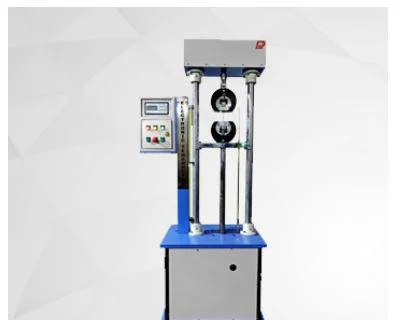
PSI tensile testing machines represent precision engineering for material strength evaluation, featuring advanced microprocessor control that ensures accurate measurement of tensil...
PSI tensile testing machines represent precision engineering for material strength evaluation, featuring advanced microprocessor control that ensures accurate measurement of tensile properties. These robust systems measure force ranges from 10 Newtons to 100kN, accommodating everything from delicate textiles to industrial metals. With digital displays, peak load indicators, and specialized jaws for secure material handling, they deliver reliable results that professionals trust. The equipment's design prioritizes user-friendly operation while maintaining laboratory-grade accuracy, making sophisticated testing accessible to various technical teams. Since 1986, PSI has built a reputation for durable, dependable testing solutions that withstand rigorous daily use in demanding environments.

These testing machines find essential applications across multiple sectors where material performance directly impacts safety and quality. In automotive manufacturing, they verify components like seatbelts, hoses, and structural elements meet crash safety standards. Aerospace companies rely on them to test composite materials and alloys for aircraft construction. Textile producers use them to evaluate fabric strength, elasticity, and durability for apparel and industrial applications. Construction material suppliers test steel reinforcements, cables, and polymers to ensure structural integrity. Research institutions employ them for material science studies and product development across various industries.

The business value of PSI tensile testing machines lies in their ability to prevent costly failures and enhance product reliability. By identifying material weaknesses early, companies reduce warranty claims, improve customer satisfaction, and maintain brand reputation. These machines support compliance with international standards and regulatory requirements across industries. Their consistent performance minimizes testing variability, leading to better quality control decisions. The durability and low maintenance requirements provide long-term operational savings, while the precise data generated supports continuous improvement initiatives and product innovation efforts.

Key Features:
- Advanced microprocessor control system for precise measurement and data accuracy
- Wide force measurement range from 10 Newtons to 100kN for versatile material testing
- Digital display with peak load indicator for clear, immediate results
- Specialized jaws and grips designed for secure handling of various materials
- Robust construction ensuring durability and consistent performance in demanding environments

Benefits:
- Delivers reliable, repeatable test results that support quality assurance decisions
- Helps prevent product failures by identifying material weaknesses during development
- Supports compliance with industry standards and regulatory requirements
- Reduces long-term operational costs through durable design and low maintenance
- Provides precise data that drives product improvement and innovation initiatives
Specifications
| Additional Information | |
|---|---|
| Country of Origin | India |
| Customisable | No |
Application
PSI tensile testing machines serve critical roles in manufacturing and research environments where material integrity is non-negotiable. Their precise measurement capabilities help verify that products meet strict specifications before reaching the market, reducing failures and ensuring safety. These versatile testin

g systems adapt to various materials, from delicate fabrics to industrial metals, providing consistent results that support informed decision-making. Industries rely on this equipment to maintain standards, improve product designs, and comply with regulatory requirements through accurate, repeatable testing processes.

Real-world applications:
- Automotive component manufacturers use these machines to test seatbelt webbing, airbag fabrics, and metal parts for crash safety compliance.
- Aerospace engineers evaluate the tensile strength of composite materials and alloys used in aircraft structures and interiors.
- Textile producers assess fabric durability, elasticity, and seam strength for apparel, upholstery, and technical textiles.
- Construction material suppliers verify the performance of steel reinforcements, cables, and polymer-based building products.
- Research laboratories in universities and private institutions conduct material science experiments and product development testing.
Trade Details
| Available Stock | In stock |
| Sample Availability | No |
Payment Terms
| Payment Terms |
|
| Payment Methods |
|
Company Profile

PSI Sales Pvt Ltd, New Delhi New Delhi, India
New Delhi, IndiaIndustrial Equipment & Machinery•Manufacturer
Factory Details
Factory SizeBelow 1000 sqm
Material Strength Testing PSI Tensile Testing Machine For Quality Assurance
PSI tensile testing machines deliver precise material strength measurement with microprocessor control for quality assurance across textiles, metals, plastics, and composites.
Min. Order Quantity: 1 pieces
Shipping
Shipping fee and delivery date to be negotiated. Contact supplier now for more details.
PSI Sales Pvt Ltd
 New Delhi, India
New Delhi, IndiaIndustrial Equipment & MachineryManufacturer