
 IN
INundefined
Similar Products
Description
Portable power generators are self-contained units designed to produce electrical power independently of the main utility grid. Built for mobility and resilience, they integrate a ...
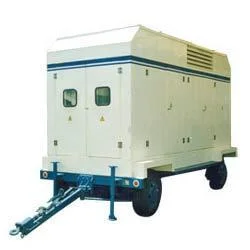
Portable power generators are self-contained units designed to produce electrical power independently of the main utility grid. Built for mobility and resilience, they integrate a combustion engine with an alternator, housed within a rugged frame often equipped with wheels and handles for easy maneuvering. Available in a range of power outputs, these generators can be configured to run on diesel, gasoline, or propane, offering operational flexibility. The core design prioritizes reliability in diverse and often challenging conditions, from dusty construction sites to variable outdoor weather, ensuring a consistent power supply is always within reach.

These generators are indispensable across sectors where power access is critical but not guaranteed. In construction, they are the lifeline for operating pneumatic tools, welding equipment, and temporary site facilities, directly impacting project timelines. The events industry utilizes them to create fully functional venues anywhere, powering everything from stage production to vendor services. For telecommunications, they ensure network towers remain operational during outages, maintaining vital communication lines. In agriculture, they enable productivity in remote fields by running irrigation and processing equipment. Furthermore, they serve as a critical safety net for emergency services, hospitals, and commercial facilities, providing immediate backup power to protect assets, data, and human safety during unexpected power failures.

The investment in a portable power generator translates directly into enhanced operational security and reduced financial risk. By eliminating dependency on unstable grid power, businesses safeguard against costly downtime, lost productivity, and data corruption. Units with high fuel efficiency lower long-term operating expenses, while durable construction reduces maintenance frequency and extends service life, offering a strong return on investment. The assurance of having reliable, on-demand power builds significant trust, allowing businesses to operate with confidence in any location or circumstance. This reliability makes them not just a piece of equipment, but a strategic asset for continuity planning and operational expansion.

Key Features:
- Durable, weather-resistant construction built to withstand harsh job site conditions and frequent transport.
- Choice of fuel types including diesel, gasoline, and propane models to suit availability and application needs.
- Integrated mobility systems with heavy-duty wheels, lifting points, and handles for straightforward positioning.
- Advanced voltage regulation and clean power output to safely operate sensitive electronics and digital tools.
- Efficient engine design focused on maximizing runtime per tank of fuel and minimizing overall operational costs.

Benefits:
- Ensures business continuity and project deadlines are met by providing dependable power regardless of location.
- Reduces operational costs through fuel-efficient engines that lower refueling frequency and expenses.
- Offers application versatility, capable of powering everything from industrial tools to essential facility systems.
- Minimizes maintenance downtime with robust components designed for longevity and easy service access.
- Provides immediate deployment capability for emergency response, protecting assets and enabling critical services during outages.
Specifications
| Additional Information | |
|---|---|
| Country of Origin | India |
| Customisable | No |
Application
Portable power generators deliver essential electricity where traditional grid power is unavailable or unreliable. Their mobile design allows for quick deployment to remote locations, temporary work sites, and emergency situations, ensuring critical operations continue without interruption. These units are engineered to support a broad spectrum of equipment, from heavy-duty construction machinery to sensitive electronic systems, providing versatile power solutions across various demanding scenarios.

Multiple industries depend on these generators for their daily functions and contingency planning. Construction firms use them to run tools and site lighting, event organizers power stages and vendor stalls, and facilities managers maintain operations during utility failures. Their adaptability to different fuel types and power outputs makes them suitable for diverse operational needs, from powering a single piece of equipment to supporting an entire temporary site's electrical load.
- Supplying primary power for construction tools, site offices, and perimeter lighting at remote or newly developed job sites.
- Delivering reliable electricity for sound systems, lighting rigs, and food vendors at outdoor festivals, concerts, and markets.
- Providing backup power to maintain critical operations at healthcare clinics, data servers, and communication hubs during grid outages.
- Enabling agricultural operations by powering water pumps for irrigation, grain dryers, and other essential farming machinery in fields.
- Supporting disaster recovery teams and emergency services by powering mobile command centers, lighting, and life-saving equipment in affected areas.
Trade Details
| Available Stock | In stock |
| Sample Availability | No |
Payment Terms
| Payment Terms |
|
Company Profile

Adithya Container Conversions, Tamil Nadu
 Tamil Nadu, India
Tamil Nadu, IndiaManufacturerImporter / Exporter
Factory Details
Factory SizeBelow 1000 sqm
Annual Production Capacity0
Portable Power Generators For Construction Events Emergency Backup
Portable power generators provide reliable electricity for construction sites, outdoor events, and emergency backup. These robust units feature fuel-efficient engines and durable designs for uninterrupted power supply in demanding environments.
Min. Order Quantity: 1 units
Shipping
Shipping fee and delivery date to be negotiated. Contact supplier now for more details.
Adithya Container Conversions Tamil Nadu, India
Tamil Nadu, IndiaManufacturer