
 IN
INundefined
Similar Products
Description
Industrial PEEK sheet stock represents the highest standard in performance engineering thermoplastics, specifically engineered for demanding industrial applications where conventio...
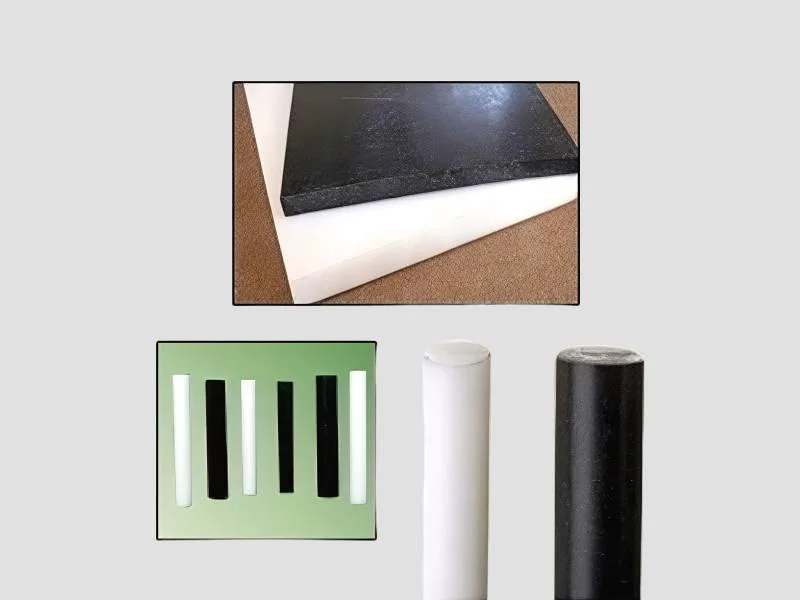
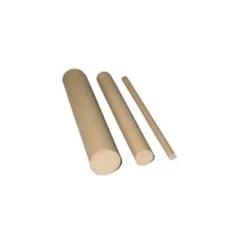
Industrial PEEK sheet stock represents the highest standard in performance engineering thermoplastics, specifically engineered for demanding industrial applications where conventional materials fall short. This premium polyetheretherketone material delivers an unmatched combination of thermal stability, mechanical strength, and chemical resistance that surpasses standard plastics and competes with metals in many applications. With continuous service temperature capabilities reaching 250°C and exceptional load-bearing characteristics, PEEK maintains structural integrity in environments that would compromise other materials. Its inherent flame retardant properties and minimal smoke emission make it ideal for safety-critical applications where fire resistance is paramount. The material's outstanding wear resistance and low friction coefficient ensure extended service life even under constant mechanical stress and abrasive conditions. Available in various standard thicknesses and sizes, our PEEK sheets provide manufacturers with reliable raw material for creating components that must perform consistently in the most extreme operating conditions.

Across multiple industrial sectors, PEEK sheet stock has become the preferred material for engineering solutions demanding uncompromising reliability and performance. In aerospace applications, it is specified for aircraft components that must withstand extreme temperature fluctuations while maintaining precision under constant vibration and mechanical stress. The automotive industry utilizes PEEK for transmission components, bearings, and seals that require minimal maintenance and maximum durability in high-temperature engine environments. Medical equipment manufacturers rely on its sterilization compatibility and mechanical stability for surgical instruments and diagnostic equipment components. The electronics industry values PEEK for its excellent dielectric properties in high-temperature applications where electrical insulation must be maintained. Chemical processing facilities specify PEEK components for equipment handling corrosive substances at elevated temperatures, where metal corrosion would lead to frequent maintenance issues and operational downtime.

Investing in high-quality PEEK sheet stock delivers substantial business value through reduced maintenance costs, extended component lifespan, and enhanced operational reliability. Our PEEK sheets undergo comprehensive quality control procedures to ensure consistent material properties across all production batches, providing manufacturers with confidence that their production processes will not be interrupted by material inconsistencies. The material's capability to replace metals in numerous applications often results in significant weight reduction without performance compromise, leading to energy savings and improved efficiency in moving parts and systems. The proven reliability of PEEK components translates directly to fewer equipment failures, reduced operational downtime, and lower total cost of ownership for critical systems and machinery. This engineering thermoplastic offers long-term value through its ability to perform consistently in challenging environments where other materials would require frequent replacement, making it a cost-effective solution for demanding industrial applications.

Key Features:
- Exceptional thermal stability with continuous service temperature up to 250°C
- Outstanding chemical resistance against wide range of organic and inorganic substances
- High mechanical strength and stiffness maintained across temperature variations
- Excellent wear resistance and low friction coefficient for moving components
- Inherent flame retardant properties with minimal smoke emission characteristics

Benefits:
- Extended component lifespan reducing replacement frequency and maintenance costs
- Reliable performance in extreme temperature and chemical exposure conditions
- Reduced equipment downtime through consistent material performance and durability
- Weight reduction opportunities compared to metal components with similar strength
- Enhanced safety through flame retardant properties and low smoke emission
Specifications
| Additional Information | |
|---|---|
| Country of Origin | India |
| Customisable | No |
Application
PEEK sheet stock excels in high-stress environments where traditional materials fail, offering superior mechanical properties and resistance to extreme conditions. Industries depend on this material for components that demand exceptional durability and consistent performance under challenging operational scenarios, ensuring reliability in critical applications where failure is not an option.

This engineering thermoplastic is ideal for precision machining and custom fabrication processes, allowing easy cutting, drilling, and shaping to meet specific design requirements. Manufacturers appreciate PEEK's dimensional stability and consistent performance across various production methods, making it a trusted choice for components that must maintain precision and functionality throughout their service life.
- Aerospace components including seals, bearings, and thermal insulation parts
- Automotive transmission systems, gears, and high-temperature seals
- Medical devices and surgical instruments requiring sterilization compatibility
- Electrical insulation in high-temperature and high-voltage applications
- Chemical processing equipment for pumps, valves, and corrosion-resistant seals
Trade Details
| Available Stock | In stock |
| Sample Availability | No |
Payment Terms
| Payment Terms |
|
Company Profile

Arizona Tech- Zeal, Maharashtra
 Maharashtra, India
Maharashtra, IndiaIndustrial Equipment & Machinery•Trading CompanyDistributor / WholesalerImporter / Exporter
Factory Details
Factory SizeBelow 1000 sqm
Annual Production Capacity0
Industrial PEEK Sheet Stock High Performance Thermal Chemical Resistance
Industrial PEEK sheet stock delivers exceptional thermal stability, chemical resistance, and mechanical strength for demanding aerospace, automotive, and medical applications requiring reliable high-performance engineering plastic solutions.
Min. Order Quantity: 1 units
Shipping
Shipping fee and delivery date to be negotiated. Contact supplier now for more details.
Arizona Tech- Zeal Maharashtra, India
Maharashtra, IndiaIndustrial Equipment & MachineryTrading Company