IN
INundefined
Similar Products
Description
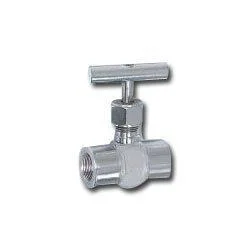
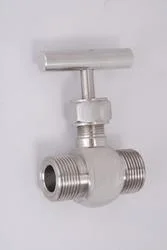
A needle valve is a precision flow control device designed for accurate regulation of low-volume fluid and gas streams. It operates using a finely tapered, needle-like plunger that...
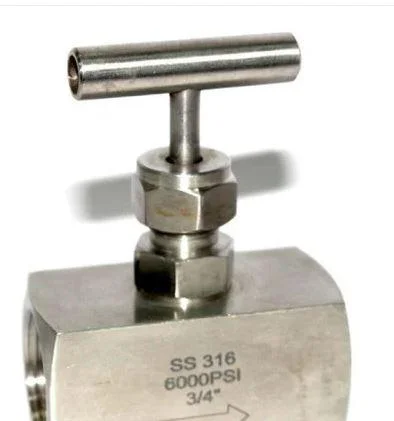
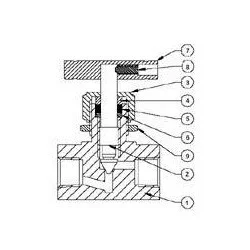
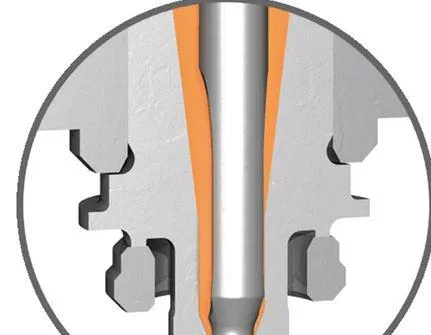
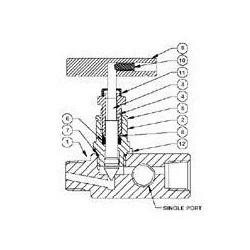
A needle valve is a precision flow control device designed for accurate regulation of low-volume fluid and gas streams. It operates using a finely tapered, needle-like plunger that moves into or out of a matching seat, allowing for gradual and meticulous adjustment of flow rates. This mechanism provides superior control compared to standard valves, making it indispensable in applications where even minor flow variations are critical. Constructed typically from robust materials like stainless steel, brass, or specialized alloys, needle valves offer excellent corrosion resistance and long-term durability. Their ability to provide a tight shut-off and smooth, fine-threaded operation prevents leaks and ensures consistent performance in demanding environments, from high-purity systems to aggressive chemical services.

These valves are extensively utilized across a wide range of industries where precision is non-negotiable. In the oil and gas sector, they are vital for controlling flow in metering skids, sampling lines, and instrumentation panels. Chemical and petrochemical plants rely on them for safely handling and dosing aggressive chemicals and solvents. The pharmaceutical and biotechnology industries use needle valves in manufacturing processes to ensure sterile, precise fluid handling for reagents and media. Furthermore, they are fundamental components in laboratory research, pilot plants, calibration stands, and HVAC systems, providing the exact control needed for experiments, testing, and system balancing.

For B2B buyers, needle valves represent a critical investment in process reliability and operational safety. Their precise control minimizes waste, enhances product quality, and improves the accuracy of data collection in testing and monitoring applications. The reliability of a well-made needle valve reduces downtime and maintenance costs, offering a strong return on investment. Key differentiators include superior machining for leak-tight performance, material choices that withstand specific corrosive or high-pressure environments, and customization options like varying connection types, stem designs, and pressure ratings to fit unique system requirements, ensuring optimal suitability for your specific operational needs.

Key Features:
- Fine-threaded stem and tapered needle for precise, gradual flow adjustment.
- Robust construction from materials like stainless steel or brass for corrosion resistance.
- Leak-tight shut-off capability ensuring zero leakage when fully closed.
- Compatibility with a wide range of fluids, gases, and aggressive media.
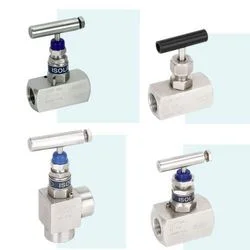
- Available in various port sizes, end connections, and pressure ratings for customization.

Benefits:
- Enables exact flow control for improved process accuracy and product quality.
- Enhances system safety by providing reliable shut-off and preventing fluid loss.
- Reduces maintenance needs and downtime due to durable, long-lasting construction.
- Offers versatility for integration into diverse industrial systems and applications.
- Provides excellent value by minimizing waste and optimizing operational efficiency.
Specifications
| Additional Information | |
|---|---|
| Country of Origin | India |
| Customisable | No |
Application
Needle valves are essential for industries requiring exact fluid regulation in low-flow environments. Their precision engineering supports critical processes where even minor flow variations can impact safety, quality, or performance. These valves are trusted in sectors demanding repeatable accuracy and leak-free operation under varying pressures and temperatures.

Common applications span instrumentation, sampling systems, and calibration setups across multiple high-stakes industries. They are widely used in chemical processing, oil and gas control panels, pharmaceutical manufacturing, and laboratory research equipment. Their design allows for fine-tuning in systems handling gases, liquids, and aggressive media, making them a versatile component for engineers and technicians. Real-world applications:
Real-world applications:
- Calibrating and controlling flow in industrial instrumentation and meter proving systems.
- Regulating sample flow in chemical and petrochemical plant analysis and safety systems.
- Precise control of fuel, lubricant, and process fluid flow in oil and gas pipelines and rigs.
- Managing sterile fluid paths and reagent dosing in pharmaceutical production and biotech labs.
- Adjusting gas and liquid flow in laboratory experiments, research setups, and pilot plants.
Trade Details
| Available Stock | In stock |
| Sample Availability | No |
Payment Terms
| Payment Terms |
|
Company Profile

K Tech Fluid Controls, Gujarat Gujarat, India
Gujarat, IndiaIndustrial Equipment & Machinery•ManufacturerDistributor / WholesalerRetailer
Factory Details
Factory SizeBelow 1000 sqm
Precision Needle Valves For Chemical Oil Gas Pharmaceutical Lab Flow Control
Needle valves deliver precise flow control for low-volume applications with fine-tapered needles, ensuring accuracy in chemical, oil and gas, pharmaceutical, and laboratory systems. Built for reliability and customization.
Min. Order Quantity: 1
Shipping
Shipping fee and delivery date to be negotiated. Contact supplier now for more details.
K Tech Fluid Controls
 Gujarat, India
Gujarat, IndiaIndustrial Equipment & MachineryManufacturer