
 IN
INundefined
Similar Products



Description
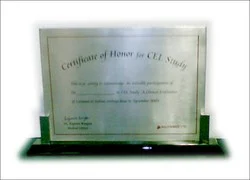
The Industrial Metal Certificate represents a comprehensive quality assurance document that provides verified details about metal composition, mechanical properties, and manufactur...
The Industrial Metal Certificate represents a comprehensive quality assurance document that provides verified details about metal composition, mechanical properties, and manufacturing standards. This certification serves as authoritative proof that materials comply with international quality benchmarks, ensuring they meet specific requirements for strength, durability, and performance characteristics. Essential for businesses that depend on reliable metal supplies, this document reduces risks associated with substandard materials while supporting informed procurement decisions through transparent, standardized verification processes that build trust between suppliers and buyers.

Multiple industries depend on these certificates to ensure material integrity throughout their supply chains. The automotive sector utilizes them to verify that metals used in safety-critical components meet stringent performance standards. Construction companies rely on certification for structural steel and reinforcement materials to comply with building regulations and engineering specifications. Aerospace manufacturers require documented verification that metals used in aircraft components adhere to rigorous quality and durability requirements. Additionally, heavy equipment manufacturers and industrial machinery producers use these certificates to maintain quality control and prevent operational failures in demanding environments.

The business value of Industrial Metal Certification lies in its ability to enhance supply chain reliability, minimize operational risks, and ensure compliance with global standards. This documentation differentiates suppliers by demonstrating commitment to quality and transparency, which is crucial for securing contracts and establishing long-term business relationships. The certificate provides assurance that metals are sourced and processed according to specified criteria, reducing potential for defects, recalls, or compliance issues. This reliability makes it indispensable for serious buyers who prioritize verified quality and need documented proof to support their material selection and procurement strategies.

Key Features:
- Provides certified verification of metal chemical composition and mechanical properties.
- Ensures compliance with international quality, safety, and industry standards.
- Includes detailed information on material origin, processing methods, and manufacturing dates.
- Offers standardized documentation format recognized across global markets.
- Supports traceability through complete material history and testing records.

Benefits:
- Reduces supply chain risks by verifying material authenticity and quality parameters.
- Facilitates international trade through standardized compliance documentation.
- Enhances trust between suppliers and buyers with transparent verification processes.
- Supports regulatory compliance for various industries and applications.
- Provides reliable documentation for quality control and material traceability requirements.
Specifications
| Additional Information | |
|---|---|
| Country of Origin | India |
| Customisable | No |
Application
Industrial Metal Certificates serve as essential verification documents that confirm the chemical composition, mechanical properties, and origin of metal products. These certificates provide critical assurance for businesses procuring metals for manufacturing and construction applications, ensuring materials meet specified international standards and regulatory requirements while reducing supply chain risks through verified documentation.

Industries requiring stringent quality control rely on these certificates to maintain operational safety and compliance. From automotive component manufacturing to structural steel in construction projects, these documents provide transparent data about material sourcing, processing standards, and quality parameters, supporting informed procurement decisions and facilitating smoother international trade through standardized verification processes.
- Verifying material specifications for automotive parts manufacturing to ensure compliance with safety and durability requirements.
- Ensuring aerospace industry compliance for metal components used in aircraft construction and maintenance.
- Certifying structural steel and reinforcement materials for construction projects to meet building code standards.
- Providing necessary documentation for customs clearance and international trade compliance procedures.
- Supporting quality assurance in machinery manufacturing by verifying metal properties for critical components.
Trade Details
| Available Stock | In stock |
| Sample Availability | No |
Payment Terms
| Payment Terms |
|
Company Profile

Antrikash Metal Works, Maharashtra
 Maharashtra, India
Maharashtra, IndiaSports & Entertainment•ManufacturerTrading CompanyDistributor / Wholesaler
Factory Details
Factory SizeBelow 1000 sqm
Annual Production Capacity0
Main Markets
Domestic
Industrial Metal Certificate For Quality Assurance And Compliance
Industrial Metal Certificate provides certified quality assurance and compliance verification for industrial metals, ensuring material authenticity meets international standards for importers and distributors.
Min. Order Quantity: 1 units
Shipping
Shipping fee and delivery date to be negotiated. Contact supplier now for more details.
Antrikash Metal Works Maharashtra, India
Maharashtra, IndiaSports & EntertainmentManufacturer