IN
INundefined
Similar Products
Description
Industrial looms represent the core technology transforming yarn into fabric through precise interlacing of warp and weft threads. These sophisticated machines have evolved from tr...
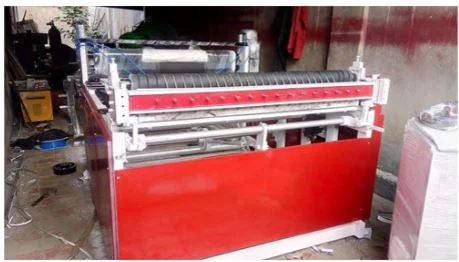
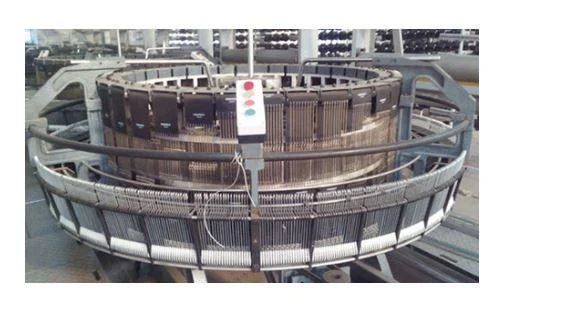
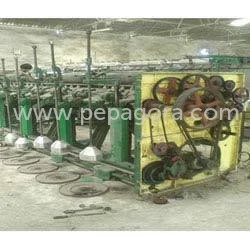
Industrial looms represent the core technology transforming yarn into fabric through precise interlacing of warp and weft threads. These sophisticated machines have evolved from traditional systems to advanced automated equipment that delivers unprecedented production efficiency. Modern looms incorporate precision engineering that ensures consistent fabric quality across extended production runs while accommodating various material types including cotton, wool, silk, and synthetic blends. The integration of electronic controls and monitoring systems allows for real-time quality assurance and minimal manual intervention, making them suitable for operations ranging from specialized workshops to large-scale manufacturing facilities. This technological progression has maintained fundamental weaving principles while dramatically enhancing production capabilities to meet contemporary market demands.

Textile manufacturers across multiple industries rely on industrial looms for their fabric production needs. The apparel industry utilizes these machines to create everything from delicate silks to durable denims, while home furnishing producers depend on them for curtains, upholstery fabrics, and bedding materials. Technical textile manufacturers employ specialized looms for industrial applications including automotive interiors, medical textiles, geotextiles, and protective clothing. The carpet industry operates heavy-duty looms for residential and commercial flooring production, and fashion houses use precision looms for creating exclusive designer fabrics. This widespread industrial adoption demonstrates the machine's versatility across different market segments and production requirements.

Businesses investing in quality industrial looms gain significant competitive advantages through enhanced production reliability and operational efficiency. Our machines are engineered for continuous operation with minimal downtime, featuring robust construction that withstands demanding production environments. The equipment allows manufacturers to adapt quickly to market trends and specific client requirements without compromising on output quality. This reliability translates to consistent fabric quality that builds reputation and customer trust. The reduced maintenance requirements and energy-efficient operation contribute to lower total cost of ownership, while the scalability ensures businesses can expand production capacity as market opportunities grow.

Key Features:
- Precision weaving mechanisms for consistent fabric quality
- Robust construction designed for continuous industrial operation
- Customizable configurations to meet specific production requirements
- Advanced electronic controls for operational monitoring and adjustment
- Compatibility with diverse yarn types including natural and synthetic fibers

Benefits:
- Enhanced production efficiency with reduced operational costs
- Consistent fabric quality that meets international standards
- Flexibility to adapt to changing market demands and material types
- Reduced manual intervention through automated operation features
- Long-term reliability that protects your manufacturing investment
Specifications
| Additional Information | |
|---|---|
| Country of Origin | India |
| Customisable | No |
Application
Modern industrial looms serve as essential equipment for textile production across multiple sectors. These versatile machines handle various materials from natural fibers like cotton and silk to synthetic blends, adapting to different production scales from small workshops to large manufacturing facilities. Their flexibility makes them indispensable for businesses requiring diverse fabric outputs with consistent quality and reliability.

From garment manufacturing to technical textiles, looms provide the foundation for countless commercial products. Advanced models incorporate automation features that maintain consistent quality while optimizing operational efficiency. This reliability ensures manufacturers can meet demanding production schedules and maintain competitive positioning in domestic and international markets.
- Garment and apparel manufacturing for fashion retailers and clothing brands
- Home textile production including curtains, bedsheets, and decorative fabrics
- Carpet and rug weaving for residential and commercial flooring solutions
- Industrial textile fabrication for automotive, medical, and technical applications
- Upholstery and furnishing production for furniture manufacturers and interior designers
Trade Details
| Available Stock | In stock |
| Sample Availability | No |
Payment Terms
| Payment Terms |
|
Company Profile

 , India
Industrial Equipment & Machinery•ManufacturerDistributor / WholesalerImporter / Exporter
Factory Details
Factory SizeBelow 1000 sqm
Annual Production Capacity0
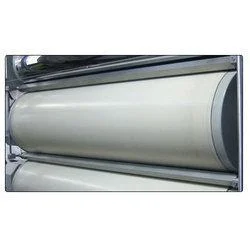
Textile Manufacturing Industrial Looms For Apparel And Home Textiles
Premium industrial looms deliver reliable fabric production for apparel and home textiles. These machines ensure consistent weaving quality with customization options to meet specific manufacturing requirements.
Min. Order Quantity: 1 Pieces
Shipping
Shipping fee and delivery date to be negotiated. Contact supplier now for more details.
Shree Krishna Industries
 , India
, IndiaIndustrial Equipment & MachineryManufacturer