IN
INundefined
Similar Products


Description
Hydrogenated Nitrile Butadiene Rubber (HNBR) represents a premium class of high-performance elastomers engineered for extreme service conditions. Through selective hydrogenation of...
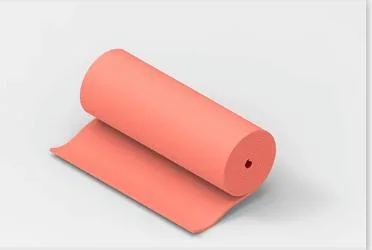
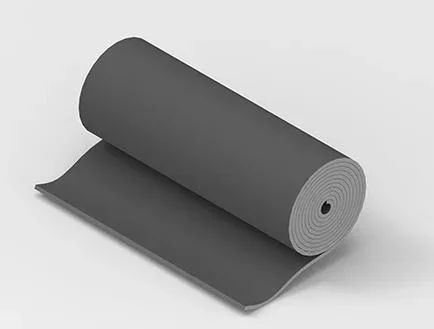
Hydrogenated Nitrile Butadiene Rubber (HNBR) represents a premium class of high-performance elastomers engineered for extreme service conditions. Through selective hydrogenation of NBR rubber, this material achieves exceptional resistance to heat, oxidation, chemicals, and ozone, far surpassing standard nitrile rubber capabilities. Operating effectively across a broad temperature range from -40°C to 165°C, with short-term performance up to 180°C, HNBR delivers reliable functionality where other polymers degrade. This makes it the definitive solution for engineers and procurement specialists who require components that maintain integrity under severe operational stress, ensuring system reliability and preventing costly failures.

HNBR rubber serves as a critical material across multiple heavy industries where performance cannot be compromised. In automotive manufacturing, it's essential for timing belts, turbocharger hoses, crankshaft seals, and transmission components that face constant exposure to hot oils and fuels. The oil and gas sector depends on HNBR for downhole drilling tools, packers, and various seals that resist sour gas, amines, and aggressive drilling fluids. Manufacturing operations utilize it for industrial rolls, hydraulic hoses, and diaphragms that endure abrasive and chemical environments. Additionally, it meets stringent requirements in aerospace for fuel system seals and in food processing for equipment needing durable, compliant sealing solutions.

The fundamental business value of HNBR lies in its ability to enhance operational reliability while reducing long-term costs. By specifying HNBR components, companies significantly decrease unplanned downtime, lower maintenance expenses, and avoid production interruptions caused by premature component failure. Its extended service life compared to conventional elastomers results in a lower total cost of ownership and delivers a stronger return on investment through improved equipment uptime and reduced replacement frequency. This material provides predictable performance that supports efficient planning and protects capital investments in critical machinery.

Key Features:
- Excellent heat resistance with reliable performance from -40°C to 165°C continuous service.
- Superior resistance to oils, fuels, chemicals, and abrasive wear in harsh environments.
- Enhanced mechanical properties including high tensile strength and exceptional tear resistance.
- Good compression set resistance ensuring long-term sealing integrity and performance.
- Proven durability with resistance to ozone, oxidation, and weathering for extended service life.

Benefits:
- Reduces equipment downtime and maintenance costs through extended component life.
- Protects machinery from failure in extreme temperature and chemical exposure conditions.
- Delivers reliable sealing performance that maintains system integrity under pressure.
- Lowers total cost of ownership by minimizing replacement frequency and production interruptions.
- Provides consistent quality and performance that meets stringent industrial specifications.
Specifications
| Additional Information | |
|---|---|
| Country of Origin | India |
| Customisable | No |
Application
HNBR rubber is engineered to withstand extreme conditions where other materials fail. Its exceptional resistance to heat, oils, chemicals, and abrasion makes it the preferred choice for critical sealing components and dynamic parts. This high-performance elastomer maintains integrity under sustained pressure and temperature fluctuations, delivering long-term reliability and reducing system failure risks in harsh operational environments.

Industries that demand durability and consistent performance rely on HNBR for its proven capabilities. Specifically formulated to outperform standard nitrile rubber, it offers extended service life and minimizes maintenance requirements. This translates to reduced downtime and lower total operational costs, supporting continuous production cycles and protecting valuable machinery from premature wear in challenging conditions.
- Automotive engine seals, timing belts, and fuel system hoses requiring high temperature and oil resistance.
- Oil and gas drilling equipment including downhole packers, blowout preventer seals, and valve components.
- Industrial machinery such as conveyor belts, printer rolls, pump diaphragms, and heavy-duty gaskets.
- Aerospace fuel handling systems, hydraulic seals, and O-rings demanding extreme reliability.
- Food processing equipment seals that withstand aggressive cleaning chemicals and steam sterilization.
Trade Details
| Available Stock | In stock |
| Sample Availability | No |
Payment Terms
| Payment Terms |
|
Company Profile

Arizona Tech- Zeal, Maharashtra
 Maharashtra, India
Maharashtra, IndiaIndustrial Equipment & Machinery•Trading CompanyDistributor / WholesalerImporter / Exporter
Factory Details
Factory SizeBelow 1000 sqm
Annual Production Capacity0
Industrial HNBR Rubber For Heat Oil Chemical Resistance
Industrial HNBR rubber provides superior heat, oil, and chemical resistance for demanding automotive, oil & gas, and manufacturing applications. This premium elastomer ensures reliable performance in extreme environments.
Min. Order Quantity: 1 units
Shipping
Shipping fee and delivery date to be negotiated. Contact supplier now for more details.
Arizona Tech- Zeal Maharashtra, India
Maharashtra, IndiaIndustrial Equipment & MachineryTrading Company