IN
INundefined

Similar Products
Description
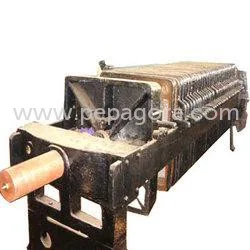
The filter press plate element is the core working component of a hydraulic or automatic filter press, responsible for creating the sealed chambers where solid-liquid separation oc...
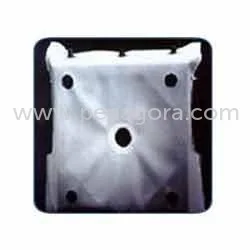
The filter press plate element is the core working component of a hydraulic or automatic filter press, responsible for creating the sealed chambers where solid-liquid separation occurs. Manufactured from durable materials like Polypropylene (PP), Cast Iron (CI), or Stainless Steel (SS), each plate is precision-engineered with a flat profile, internal drainage grooves, and strategically placed ports. The plate's face uniformly supports a filter cloth, while its perimeter provides a reliable sealing surface. When multiple plates are compressed together under hydraulic pressure, they form a series of leak-proof chambers. Slurry is pumped into these chambers through feed ports; the liquid (filtrate) passes through the cloth, is collected by the drainage grooves, and exits via outlet ports, leaving a solid filter cake behind. This simple yet highly effective mechanical process is valued for its reliability, high solids capture rate, and ability to produce a dry, disposable, or valuable cake.

These plates serve critical functions in numerous heavy industries. In chemical manufacturing and pigment production, PP plates resist corrosion while ensuring high-clarity filtrate. The mining and mineral processing sector relies on robust CI or SS plates to dewater abrasive kaolin, coal, and quartz slurries, reducing transport costs and environmental impact. Wastewater treatment plants use them extensively to thicken biological and chemical sludges, significantly reducing volume for disposal. Within food, pharmaceutical, and starch processing, hygienic SS plates provide the consistent, clean separation required for product quality and safety. Their design adaptability makes them suitable for both large-scale municipal projects and precise, small-batch industrial processes, proving indispensable wherever efficient dewatering is needed.

Investing in high-quality filter press plates delivers direct business value through enhanced operational reliability and lower lifetime costs. Their robust construction ensures dimensional stability under repeated high-pressure cycles, minimizing downtime and maintenance. The choice of material—PP for chemical resistance, CI for strength and cost, or SS for hygiene and durability—allows for perfect suitability to your specific process slurry, preventing premature failure. Efficient drainage grooves maximize filtrate flow rates, shortening cycle times and increasing throughput. A well-supported filter cloth lasts longer and prevents tearing, reducing consumable expenses. Ultimately, these plates are engineered for long-term, trouble-free service, providing a dependable foundation for your filtration system that protects your process continuity and bottom line.

Key Features:
- Available in three durable material options: corrosion-resistant Polypropylene (PP), heavy-duty Cast Iron (CI), and hygienic Stainless Steel (SS).
- Precision-molded drainage grooves and channels efficiently collect and direct filtrate toward outlet ports for fast liquid removal.
- Integrated central or side feed ports and filtrate outlets ensure uniform slurry distribution and effective clarified liquid discharge.
- Rigid flat profile with a sealing perimeter creates leak-proof filtration chambers when plates are compressed under hydraulic force.
- Designed to provide even support for filter cloths, preventing sagging and cloth damage during high-pressure filtration cycles.

Benefits:
- Enables highly efficient solid-liquid separation, producing dry, compact filter cakes and clear filtrate for process reuse or safe discharge.
- Material versatility allows selection of the optimal plate for your specific application, whether corrosive, abrasive, or requiring high hygiene.
- Robust construction ensures long service life and reliable performance under repeated high-pressure cycling, reducing replacement frequency.
- Consistent cake formation and support prevent process variability, leading to predictable outcomes and stable product quality.
- Directly contributes to lower operational costs by increasing throughput, reducing filter cloth wear, and minimizing downtime for maintenance.
Specifications
| productDetailPage.specification.attribute | productDetailPage.specification.value |
|---|---|
| Product TypeMaterial OptionsDesign FeatureFunctionConnection/PortsApplication Use |
| Additional Information | |
|---|---|
| Country of Origin | India |
| Customisable | No |
Application
Filter press plate elements are engineered to form the essential filtration chambers within hydraulic and automatic filter presses. They provide the structural support for filter cloths and feature integrated drainage channels that efficiently direct clarified liquid away from the solid cake. This reliable design ensures consistent performance across countless cycles, making them a fundamental component for any industrial dewatering operation.

These plates are utilized across a wide spectrum of industries where separating solids from liquids is a critical process step. Their robust construction and material versatility allow them to handle everything from corrosive chemical slurries to abrasive mineral mixtures. By enabling precise cake formation and filtrate clarity, they directly contribute to process efficiency, waste reduction, and product recovery in demanding environments.
- Dewatering chemical, dye, and pigment sludges to recover valuable solids and produce clear process water.
- Treating industrial and municipal wastewater by separating biological and metal hydroxide sludges for safe disposal.
- Processing minerals, ceramics, and coal slurries in mining to reduce slurry volume and recover usable materials.
- Filtering pharmaceutical intermediates, food starches, sugars, and edible oils where hygiene and consistent results are paramount.
- Clarifying process streams in paint manufacturing and other industries requiring high-purity filtrate and dry cake discharge.
Trade Details
| Available Stock | In stock |
| Sample Availability | No |
Payment Terms
| Payment Terms |
|
Company Profile

PC Pumps & Systems, Tamil Nadu Tamil Nadu, India
Tamil Nadu, IndiaIndustrial Equipment & Machinery•Manufacturer
Factory Details
Factory SizeBelow 1000 sqm
Filter Press Plate Elements PP CI SS Materials Industrial Dewatering
Filter press plate element made from PP, CI, or SS materials features drainage grooves and feed ports to support filter cloths, form chambers, and deliver efficient solid-liquid separation in hydraulic filter presses for industrial dewatering.
Min. Order Quantity: 1
Shipping
Shipping fee and delivery date to be negotiated. Contact supplier now for more details.
PC Pumps & Systems
 Tamil Nadu, India
Tamil Nadu, IndiaIndustrial Equipment & MachineryManufacturer