IN
INundefined
Similar Products
Description
Ethyl cellulose is a premium cellulose ether polymer engineered through ethyl ether substitution, creating a water-insoluble material with exceptional film-forming, binding, and th...
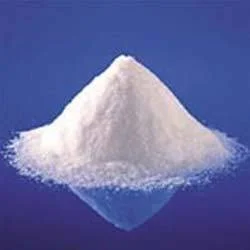
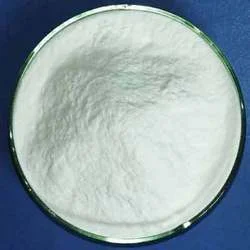
Ethyl cellulose is a premium cellulose ether polymer engineered through ethyl ether substitution, creating a water-insoluble material with exceptional film-forming, binding, and thickening capabilities. This chemically modified polymer demonstrates remarkable flexibility, toughness, and thermoplastic behavior, making it suitable for various processing methods including hot-melt applications. Its consistent performance stems from controlled ethoxyl content and viscosity grades, ensuring reliable results across different formulations. The polymer's inherent resistance to water, oils, greases, and chemicals provides long-lasting protection and stability in finished products. Manufacturers value its predictable behavior and compatibility with other materials, allowing for seamless integration into existing production processes while maintaining high quality standards.

This versatile polymer serves critical functions across multiple industries, particularly in pharmaceutical manufacturing where it acts as a key excipient for controlled-release tablet coatings and capsule formulations. The coatings industry relies on ethyl cellulose for durable protective finishes on metals, plastics, and wood surfaces, offering enhanced water resistance and adhesion properties. Printing ink manufacturers utilize its thickening and stabilizing capabilities to maintain consistent viscosity and pigment dispersion. In personal care products, it provides film-forming properties for long-lasting cosmetic formulations. Additionally, advanced materials manufacturing incorporates ethyl cellulose as a binding agent in ceramic production and specialty composites, demonstrating its broad utility in demanding industrial applications that require precise performance characteristics.

Businesses select ethyl cellulose for its proven reliability and ability to enhance product performance while maintaining strict regulatory compliance. The polymer's consistent quality reduces production risks and ensures batch-to-batch uniformity, crucial for pharmaceutical and industrial applications where product integrity is paramount. Its non-toxic nature makes it suitable for sensitive applications including food-contact coatings and medicinal products. Suppliers differentiate through rigorous quality control measures and technical support, helping manufacturers optimize formulations for specific operational needs. This combination of performance characteristics, safety profile, and supplier reliability makes ethyl cellulose a valuable investment for companies seeking to improve their product quality and manufacturing efficiency while meeting industry standards.

Key Features:
- Customizable ethoxyl content and viscosity grades for specific applications
- Excellent film-forming ability with high flexibility and toughness
- Resistance to water, oils, greases, and most chemicals
- Thermoplastic properties suitable for hot-melt processing
- Compliance with pharmaceutical and industrial safety standards

Benefits:
- Enhanced product performance through reliable film formation and binding
- Improved durability and chemical resistance in final applications
- Consistent results across batches with predictable behavior
- Versatile compatibility with various materials and processes
- Meets stringent regulatory requirements for sensitive applications
Specifications
| Additional Information | |
|---|---|
| Country of Origin | India |
| Customisable | No |
Application
Ethyl cellulose is a versatile polymer widely used in pharmaceutical formulations as a controlled-release coating for tablets and capsules, ensuring precise drug delivery and stability. Its excellent film-forming properties provide effective moisture barriers and durability, making it essential for oral solid dosage forms and functional coatings in medicine production where reliability and consistency are critical for patient safety and efficacy.

In industrial sectors, this polymer enhances performance in protective coatings, printing inks, and specialty adhesives by providing superior chemical resistance, thermal stability, and binding strength. It serves as a key thickener in paint formulations, improves pigment suspension in inks, and acts as a binding agent in ceramics and advanced materials manufacturing, offering formulators a dependable solution across diverse processing conditions and end-use requirements.
- Controlled-release coatings for pharmaceutical tablets and capsules
- Protective coatings for metal, wood, and plastic surfaces
- Thickening and stabilizing agent in industrial paints and printing inks
- Binding agent in ceramic manufacturing and advanced material composites
- Film-forming additive in cosmetic products and personal care formulations
Trade Details
| Available Stock | In stock |
| Sample Availability | No |
Payment Terms
| Payment Terms |
|
Company Profile

All India Drug Supply Co., Maharashtra
 Maharashtra, India
Maharashtra, IndiaManufacturerDistributor / WholesalerImporter / Exporter
Factory Details
Factory SizeBelow 1000 sqm
Annual Production Capacity0
Main Markets
Domestic
Ethyl Cellulose Premium Polymer For Film Forming Binding Thickening
Ethyl Cellulose premium polymer delivers excellent film-forming, binding, and thickening for pharmaceuticals, coatings, and industrial applications with reliable performance and consistent quality.
Min. Order Quantity: 1 units
Shipping
Shipping fee and delivery date to be negotiated. Contact supplier now for more details.
All India Drug Supply Co. Maharashtra, India
Maharashtra, IndiaManufacturer