
 IN
INundefined
Similar Products
Description
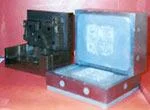
Epoxy tooling utilizing aluminum-filled epoxy molds represents an advanced manufacturing solution for high-precision prototype and small-batch production. This method incorporates ...
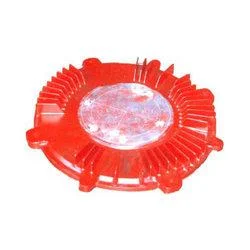
Epoxy tooling utilizing aluminum-filled epoxy molds represents an advanced manufacturing solution for high-precision prototype and small-batch production. This method incorporates aluminum particles within the epoxy matrix, significantly enhancing thermal conductivity, structural integrity, and overall mold durability compared to standard tooling approaches. The process begins with master pattern creation followed by epoxy mold fabrication that captures intricate details with exceptional accuracy. These robust molds withstand the pressures and temperatures of various molding processes, enabling production of components using actual end-use materials. With a typical mold life supporting up to 200 pieces, epoxy tooling effectively bridges the gap between rapid prototyping and full-scale production, offering manufacturers a practical solution for design evaluation and market testing before committing to expensive permanent tooling.

This manufacturing approach serves numerous industries requiring precision prototypes and limited production runs. Automotive manufacturers utilize epoxy tooling for producing interior components, light assemblies, and dashboard prototypes that require dimensional accuracy. Aerospace companies benefit from its capability to create composite parts, ductwork prototypes, and cabin interior components for testing and validation. Consumer goods manufacturers rely on these molds for housing prototypes and structural components, while medical equipment producers use them for device prototypes and surgical tool development. Industrial equipment manufacturers employ this technology for creating jigs, fixtures, and custom tooling components that streamline production processes.

Epoxy tooling delivers substantial business value through reduced development costs, shorter lead times, and minimized financial risk during critical product development phases. The aluminum-filled epoxy construction ensures reliable performance through multiple production cycles while maintaining dimensional stability and surface quality across all manufactured parts. This approach provides particular value for businesses transitioning from prototype validation to pre-production and market testing phases without the substantial investment required for permanent tooling solutions. The technology's consistency in producing high-quality parts batch after batch makes it an essential manufacturing solution for companies seeking to accelerate product development while controlling costs.

Key Features:
- Aluminum-filled epoxy construction for enhanced durability and thermal management
- Capability to produce up to 200 pieces per mold with consistent quality
- Compatibility with various molding machines and production processes
- Excellent reproduction of fine details and complex geometries
- Customizable formulations to meet specific project requirements

Benefits:
- Cost-effective solution for small to medium batch production requirements
- Reduced development time and faster market entry for new products
- High precision and dimensional stability across multiple production cycles
- Versatile compatibility with various materials including plastics and composites
- Reliable performance with consistent part quality throughout mold lifespan
Specifications
| Additional Information | |
|---|---|
| Country of Origin | India |
| Customisable | No |
Application
Epoxy tooling with aluminum-filled molds provides exceptional durability and heat resistance for various manufacturing processes including injection molding and composite production. These molds deliver precise results with tight tolerances and smooth surface finishes, making them ideal for short production runs where traditional metal tooling proves too expensive or time-consuming to implement effectively.

Manufacturers benefit from the flexibility to work with diverse materials including plastics, rubbers, and composites during product development cycles. The technology serves as excellent bridge tooling between prototyping and full-scale production, significantly reducing time to market while maintaining consistent quality standards across multiple production batches and material types.
- Automotive components: Production of interior parts, light covers, and dashboard prototypes using injection molding
- Aerospace prototypes: Manufacturing ductwork, cabin interior components, and composite parts for testing
- Consumer goods: Creating housing prototypes, structural components, and product enclosures
- Medical equipment: Producing device prototypes, surgical tool models, and equipment enclosures
- Industrial manufacturing: Developing jigs, fixtures, and custom tooling for production applications
Trade Details
| Available Stock | In stock |
| Sample Availability | No |
Payment Terms
| Payment Terms |
|
Company Profile
Marcopolo Products Pvt Ltd, West Bengal
 West Bengal, India
West Bengal, IndiaElectronics & Electrical
Factory Details
Factory SizeBelow 1000 sqm
Annual Production Capacity0
Epoxy Tooling Aluminum Filled Molds For Prototype Production
Epoxy Tooling Aluminum Filled Molds deliver durable, high-precision prototype production for up to 200 pieces per mold. This cost-effective solution supports small to medium batch manufacturing across multiple industries with reliable performance.
Min. Order Quantity: 1 units
Shipping
Shipping fee and delivery date to be negotiated. Contact supplier now for more details.
Marcopolo Products Pvt Ltd West Bengal, India
West Bengal, IndiaElectronics & Electrical