
 IN
INundefined
Similar Products
Description
Electroless nickel plating on mild steel represents advanced surface treatment technology that deposits a uniform nickel-phosphorus coating through an autocatalytic chemical proces...
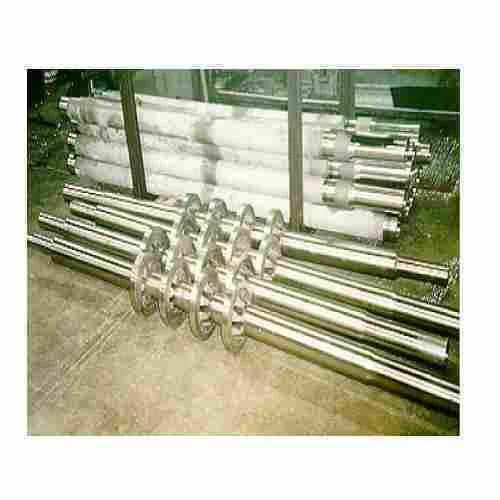
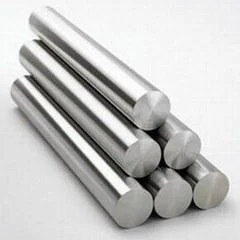
Electroless nickel plating on mild steel represents advanced surface treatment technology that deposits a uniform nickel-phosphorus coating through an autocatalytic chemical process without electrical current. This method ensures consistent thickness coverage even on complex part geometries, internal surfaces, and intricate details where traditional electroplating methods fall short. The process works effectively on various metals including carbon steel, alloy steels, aluminum, and copper alloys, providing exceptional adhesion and a pore-free protective layer that significantly enhances component durability and performance in demanding operational environments. This reliable plating solution maintains precise dimensional tolerances while offering superior protection characteristics.

This plating solution serves critical needs across multiple industries where reliability and longevity are paramount. In automotive manufacturing, it protects transmission components and engine parts from wear and corrosion while maintaining dimensional stability. Aerospace applications benefit from its consistent performance in extreme temperature variations and corrosive atmospheres for structural elements and fasteners. The oil and gas industry relies on electroless nickel plating for valves, pumps, and drilling equipment that face harsh chemical exposure and abrasive conditions. Electronics manufacturers use it for connectors and housings requiring stable electrical properties, while general industrial applications include machinery components, tools, and hydraulic systems that demand reduced friction and extended service life under continuous operation.

Businesses choose electroless nickel plating for its proven reliability and significant return on investment through reduced maintenance costs and extended component lifecycles. The process delivers consistent quality batch after batch, ensuring manufactured parts meet strict industry specifications and performance requirements. Unlike conventional plating methods, this autocatalytic approach eliminates electricity-related inconsistencies, providing uniform coverage that maintains precise dimensional tolerances without additional machining. This reliability translates to fewer production rejects, lower warranty claims, and enhanced customer satisfaction for businesses that prioritize quality and long-term value in their supply chain partnerships while minimizing operational downtime.

Key Features:
- Uniform coating thickness achieved on all surfaces including complex geometries
- Exceptional corrosion resistance against chemicals, moisture, and environmental factors
- Enhanced wear resistance and increased surface hardness for extended component life
- Low coefficient of friction that improves performance in moving applications
- Autocatalytic chemical process requiring no electrical current for consistent results

Benefits:
- Extended component lifespan reducing replacement frequency and maintenance costs
- Consistent performance across complex geometries and internal surfaces
- Reduced friction for improved efficiency in mechanical applications
- Protection against harsh environmental conditions and chemical exposure
- Maintains dimensional stability without additional post-processing requirements
Specifications
| Additional Information | |
|---|---|
| Country of Origin | India |
| Customisable | No |
Application
Electroless nickel plating creates a uniform, durable coating that significantly extends component lifespan in demanding operational environments. This autocatalytic chemical process ensures consistent coverage even on complex geometries and internal surfaces without requiring electrical current. The result is exceptional protection against corrosion, abrasion, and chemical exposure that maintains reliable performance where part failure is not an option.

Manufacturers across multiple sectors rely on electroless nickel plating for critical components requiring minimal maintenance and maximum durability. From automotive transmission systems to aerospace structural elements, this process delivers unmatched consistency and quality. The plating solution protects against harsh chemicals, reduces friction, and maintains dimensional stability across temperature variations and operational stresses for long-term reliability.
- Automotive components including pistons, shafts, and brake parts requiring corrosion resistance
- Aerospace industry fittings, fasteners, and structural elements exposed to extreme conditions
- Oil and gas sector valves, pumps, and drilling equipment facing corrosive environments
- Electronic connectors and housings needing consistent conductivity and protection
- Industrial machinery gears, tools, and hydraulic components subject to wear and friction
Trade Details
| Available Stock | In stock |
| Sample Availability | No |
Payment Terms
| Payment Terms |
|
Company Profile
A. K. Finishing Technologies, Tamil Nadu
 Tamil Nadu, India
Tamil Nadu, IndiaConstruction•ManufacturerDistributor / WholesalerImporter / Exporter
Factory Details
Factory SizeBelow 1000 sqm
Annual Production Capacity0
Electroless Nickel Plating For Superior Corrosion And Wear Resistance
Electroless nickel plating provides superior corrosion and wear resistance without electricity for carbon steel, aluminum, and copper alloys. This reliable surface treatment ensures uniform protection for industrial components.
Min. Order Quantity: 1 units
Shipping
Shipping fee and delivery date to be negotiated. Contact supplier now for more details.
A. K. Finishing Technologies Tamil Nadu, India
Tamil Nadu, IndiaConstructionManufacturer