IN
INundefined
Similar Products
Description
Dry block heaters represent advanced laboratory heating technology designed for precise temperature control without traditional water baths. These instruments feature metal heating...
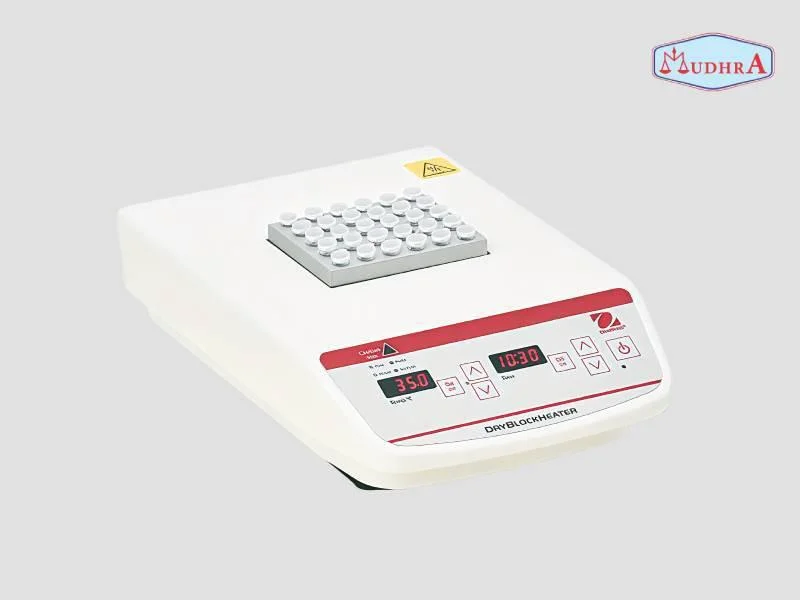
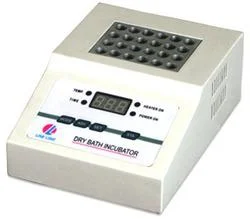
Dry block heaters represent advanced laboratory heating technology designed for precise temperature control without traditional water baths. These instruments feature metal heating blocks with precisely engineered wells that securely hold sample containers including test tubes, vials, and microplates. Operating across a broad temperature spectrum from ambient +5°C to 120°C, with specialized models reaching 200°C, these devices deliver exceptional thermal uniformity as tight as ±0.1°C. The dry heating method eliminates contamination risks associated with water baths while providing consistent, reliable performance for sensitive laboratory procedures. Both digital and analog control options are available, catering to diverse laboratory preferences and application requirements.

These heating systems serve critical functions across multiple industries including biotechnology, pharmaceuticals, clinical diagnostics, and chemical manufacturing. Research laboratories utilize dry block heaters for DNA amplification, enzyme reactions, and protein studies where temperature precision directly impacts experimental outcomes. Clinical and diagnostic laboratories depend on them for sample preparation, incubation, and testing procedures. Pharmaceutical companies integrate them into quality control processes, while industrial laboratories employ them for material testing and chemical analysis. The versatility of interchangeable blocks allows seamless adaptation to various container formats, making these heaters valuable across different departmental functions within organizations.

The business value of dry block heaters extends beyond technical specifications to operational reliability and cost efficiency. These instruments reduce maintenance requirements compared to water baths while minimizing contamination risks that could compromise valuable samples. The over-temperature protection and hot warning indicators ensure safe operation, protecting both personnel and samples. Customization options allow businesses to select specific block configurations that match their exact workflow needs. The proven reliability of these heating systems translates to consistent experimental results, reduced downtime, and long-term operational savings, making them smart investments for organizations prioritizing data integrity and process consistency.

Key Features:
- Broad temperature range from ambient +5°C to 120°C, with options reaching 200°C
- Exceptional thermal uniformity within ±0.1°C, especially stable at 37°C
- Interchangeable modular blocks accommodating various tube sizes and microplates
- Digital models with precise temperature programming and timer functions
- Comprehensive safety features including over-temperature protection and warning indicators

Benefits:
- Eliminates water bath contamination risks while ensuring consistent heating
- Versatile configuration options adapt to multiple laboratory applications
- Enhanced safety protections for both operators and valuable samples
- Reduced maintenance requirements compared to traditional heating methods
- Reliable performance ensuring reproducible experimental results
Specifications
| productDetailPage.specification.attribute | productDetailPage.specification.value |
|---|---|
| Temperature RangeUniformity and StabilityModular BlocksDigital and Analog ControlsSafety Features |
| Additional Information | |
|---|---|
| Country of Origin | 106 |
| Customisable | No |
Application
Dry block heaters serve critical roles across scientific and industrial laboratories where precise temperature control is essential. These versatile instruments eliminate the water bath mess while delivering consistent heating for samples in tubes, vials, and microplates. Their modular design accommodates various container sizes, making them indispensable for research facilities, quality control labs, and diagnostic centers requiring reliable thermal processing.

These heating systems find extensive use in molecular biology workflows, clinical diagnostics, pharmaceutical development, and chemical analysis. The dry bath technology ensures contamination-free operation while maintaining temperature stability within ±0.1°C at critical temperatures like 37°C. Laboratories benefit from both digital models with programmable settings and analog versions for straightforward manual control, providing options for different technical requirements and budget considerations. Real-world applications:
Real-world applications:
- DNA amplification and PCR preparation in molecular biology laboratories
- Sample incubation for clinical diagnostics and medical testing facilities
- Enzyme reactions and protein studies in biochemical research
- Quality control testing in pharmaceutical manufacturing processes
- Chemical synthesis and sample preparation in analytical chemistry labs
Trade Details
| Available Stock | In stock |
| Sample Availability | No |
Payment Terms
| Payment Terms |
|
Company Profile

Mudhra Weighing, Andhra Pradesh Andhra Pradesh, India
Andhra Pradesh, IndiaIndustrial Equipment & Machinery•Manufacturer
Factory Details
Factory SizeBelow 1000 sqm
Laboratory Dry Block Heaters For Precise Temperature Control Up To 200C
Professional dry block heaters provide precise temperature control for laboratory samples without water baths. Ideal for molecular biology, clinical testing, and research applications requiring reliable heating from ambient to 200°C with excellent uniformity.
Min. Order Quantity: 1
Shipping
Shipping fee and delivery date to be negotiated. Contact supplier now for more details.
Mudhra Weighing
 Andhra Pradesh, India
Andhra Pradesh, IndiaIndustrial Equipment & MachineryManufacturer