
 IN
INundefined
Similar Products



Description
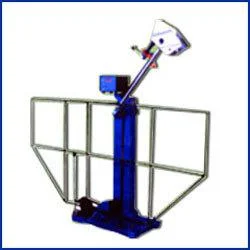
The Digital Impact Testing Machine is engineered for accuracy and reliability in measuring material impact strength, determining the energy absorbed by specimens during fracture to...
The Digital Impact Testing Machine is engineered for accuracy and reliability in measuring material impact strength, determining the energy absorbed by specimens during fracture to provide essential data for material selection and quality validation. Featuring a digital display for clear readouts, automated hammer release, and calibration compliant with global standards like ASTM E23 and ISO 148, it ensures consistent performance with minimal operator effort. Ideal for laboratories and production facilities, this machine supports rigorous testing protocols, delivering repeatable results that help maintain high standards in material toughness analysis across diverse industrial applications.

This testing machine is widely utilized in industries where material integrity is critical, such as automotive manufacturing for testing chassis parts and safety-critical metals to ensure vehicle durability and safety. In aerospace, it validates alloys and composites for aircraft structures, while construction firms use it to verify steel and concrete additives for structural reliability. Consumer goods manufacturers rely on it for assessing plastic and polymer products, and research institutions employ it in material development and failure analysis, ensuring new innovations meet practical durability requirements and industry specifications.

The business value of the Digital Impact Testing Machine lies in its reliability and robust construction, which reduces downtime and maintenance needs, leading to long-term cost savings and enhanced operational efficiency. Trusted by quality managers and engineers, it provides repeatable, accurate results that support compliance with international standards, minimize material failure risks, and protect customer safety. This reliability fosters confidence in product quality, ultimately safeguarding brand reputation and ensuring that materials perform as expected in real-world conditions.

Key Features:
- Digital display for precise energy absorption readings in joules.
- Automated hammer release system for consistent test initiation.
- Compliance with international standards including ASTM E23 and ISO 148.
- Robust construction ensures durability and minimal maintenance needs.
- Customizable impact energy levels and specimen holders for flexible testing.

Benefits:
- Accurate and repeatable results for reliable quality control and material validation.
- Enhanced efficiency with automated features reducing operator effort and errors.
- Compliance with global standards ensuring acceptance in international markets.
- Durable design minimizing downtime and maintenance costs for long-term savings.
- Flexible testing options adapting to various materials and industry requirements.
Specifications
| Additional Information | |
|---|---|
| Country of Origin | India |
| Customisable | No |
Application
Digital Impact Testing Machines provide critical data on material behavior under sudden force, helping engineers verify compliance with international standards like ASTM and ISO. These tests prevent material failure in applications where durability is essential, supporting quality assurance across multiple sectors with precise digital readings and easy data export for detailed reporting and analysis.

Industries including automotive, aerospace, construction, and manufacturing rely on these machines to test metals, polymers, composites, and ceramics. They ensure products withstand operational stresses, from vehicle components to building materials, offering reliable performance that reduces risks and enhances safety in demanding environments.
- Quality control testing of metal components in automotive manufacturing for crashworthiness.
- Verifying impact resistance of aerospace alloys and composites for safety compliance.
- Testing construction materials like steel rebars and concrete additives for durability.
- Evaluating polymer products in consumer goods for fracture resistance under stress.
- Research and development in material science labs for new alloy or composite development.
Trade Details
| Available Stock | In stock |
| Sample Availability | No |
Payment Terms
| Payment Terms |
|
Company Profile

Aditya Instruments, Maharashtra
 Maharashtra, India
Maharashtra, IndiaConstruction•ManufacturerDistributor / WholesalerImporter / Exporter
Factory Details
Factory SizeBelow 1000 sqm
Annual Production Capacity0
Main Markets
South Asia
Digital Impact Testing Machine For Material Toughness Analysis
Digital Impact Testing Machine delivers precise material toughness analysis for quality control. It serves automotive, aerospace, and manufacturing industries with accurate, repeatable impact test results and reliable performance.
Min. Order Quantity: 1 units
Shipping
Shipping fee and delivery date to be negotiated. Contact supplier now for more details.
Aditya Instruments Maharashtra, India
Maharashtra, IndiaConstructionManufacturer