IN
INundefined
Similar Products
Description
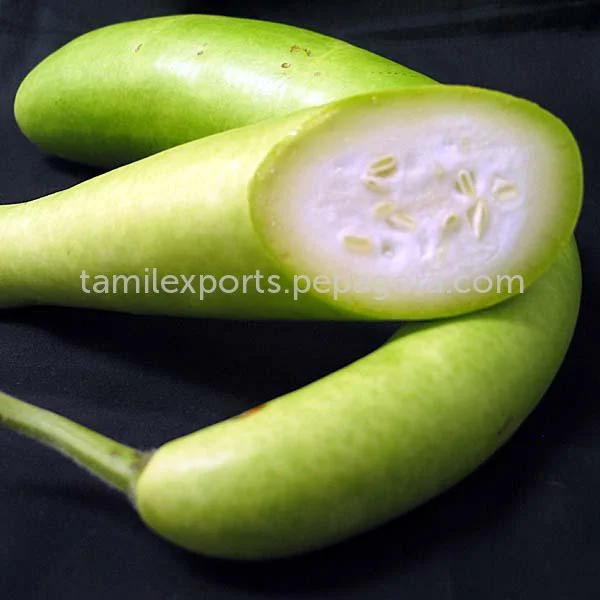
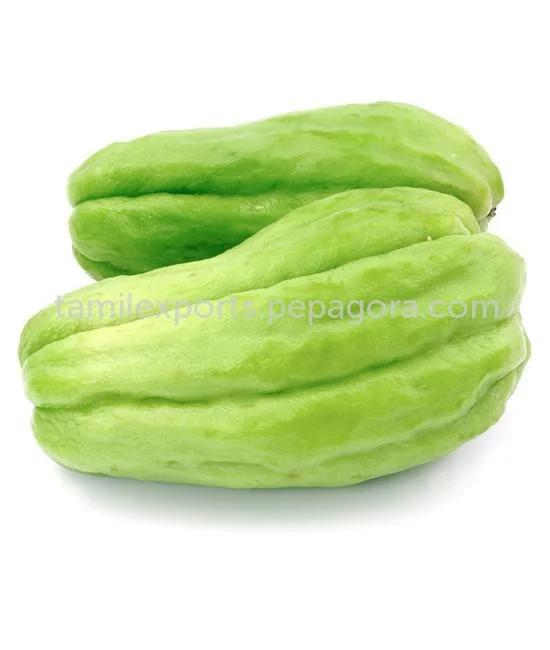
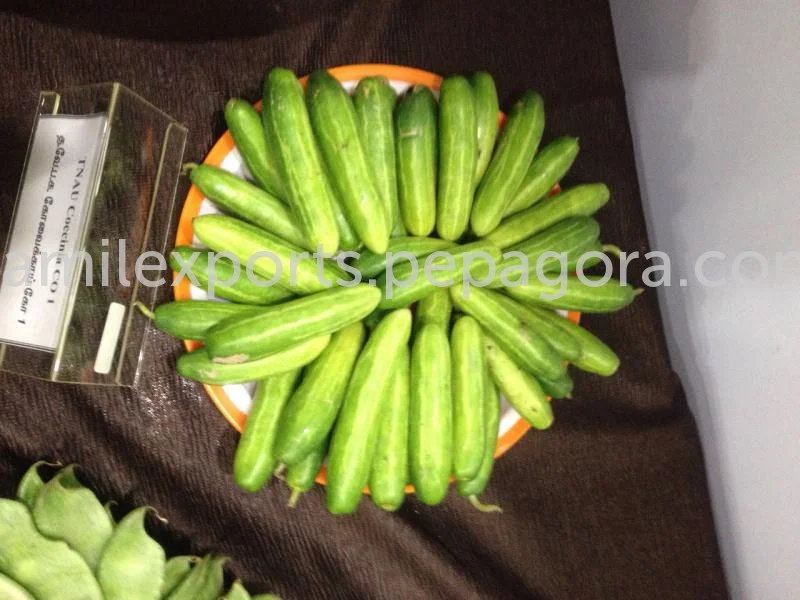
Organic Chow Chow, scientifically classified as Sechium edule, represents a premium fresh vegetable selection cultivated through certified organic methods. This pear-shaped vegetab...
Organic Chow Chow, scientifically classified as Sechium edule, represents a premium fresh vegetable selection cultivated through certified organic methods. This pear-shaped vegetable typically measures 10 to 20 cm in length and belongs to the Cucurbitaceae family, ensuring natural growing practices without chemical interventions. Each 5 kg box contains vegetables with impressive nutritional credentials including 25g dietary fiber, 17% vitamin C content, and minimal sodium and sugar levels. The hygienic packaging preserves freshness and quality throughout the supply chain, providing distributors with a reliable product that maintains its nutritional integrity from farm to table. The vegetable's mild flavor profile and firm texture make it suitable for diverse culinary applications while its organic certification guarantees purity standards.

This vegetable finds extensive usage across multiple food industry segments, particularly among health-conscious product manufacturers and quality-focused food processors. Restaurants and hotel chains incorporate fresh chow chow into their menu offerings for its nutritional benefits and culinary versatility. Food manufacturing facilities utilize this vegetable in canned goods, frozen food lines, and prepared meal solutions where organic certification adds market value. The produce serves health food brands developing low-calorie options, vegan product lines seeking plant-based ingredients, and supplement companies requiring high-fiber components. Ethnic cuisine specialists also value chow chow for its ability to absorb flavors while contributing beneficial nutrients to traditional dishes.

Businesses benefit from incorporating organic chow chow through enhanced product quality, market differentiation, and customer satisfaction. The reliable supply of consistently high-quality vegetables supports inventory planning and product development timelines. Organic certification enables companies to access growing market segments focused on clean eating and sustainable sourcing. The reasonable pricing structure ensures competitive positioning while the nutritional profile adds value to end products. Proper storage maintains product integrity, reducing waste and maximizing shelf life. By selecting this vegetable, businesses strengthen their supplier relationships and build trust with consumers who prioritize health-conscious ingredients in their food choices.

Key Features:
- Certified organic cultivation methods ensuring chemical-free production
- High dietary fiber content measuring 25g per serving
- Significant vitamin C content providing 17% of daily requirements
- Hygienic packaging in 5 kg boxes for optimal freshness preservation
- Low sodium at 3mg and sugar at 2g supporting health-conscious formulations

Benefits:
- Organic certification meets growing consumer demand for natural products
- High fiber content supports digestive health and satiety in food products
- Vitamin C enrichment enhances nutritional value of prepared foods
- Secure packaging ensures product integrity during transportation and storage
- Low sodium and sugar content aligns with health-focused dietary trends
Specifications
| productDetailPage.specification.attribute | productDetailPage.specification.value |
|---|---|
| Cultivation Type | Organic |
| Category | Vegetables |
| Style | Fresh |
| Binomial Name | Sechium edule |
| Family | Cucurbitaceae |
| Genus | Sechium |
| Order | Cucurbitales |
| Length | 10 to 20Â cm |
| Height | 12 meters |
| Shape | Pear |
| Quality | Good |
| Price | Reasonale |
| Purity | 100% |
| Packaging | Hygienic |
| Protein | 1 g |
| Carbohydrates | 5 g |
| Sugar | 2 g |
| Sodium | 3 mg |
| Fiber | 25 g |
| Vitamin C | 17% |
| Calcium | 1% |
| Iron | 1% |
| Vitamin B-6 | 5% |
| Magnesium | 3% |
| 1 Box | 5 kgs |
| Additional Information | |
|---|---|
| Country of Origin | India |
| Customisable | No |
Application
Chow chow serves as a versatile ingredient across multiple food sectors due to its mild flavor and impressive nutritional profile. This organic vegetable enhances various culinary preparations while maintaining its texture and nutritional value through different cooking methods. Its adaptability makes it valuable for both traditional recipes and modern health-conscious formulations that require reliable, quality ingredients.

Food manufacturers particularly value chow chow for its organic certification and consistent quality. The vegetable's high fiber content and low calorie profile make it ideal for health-focused product lines and specialty diets. Its neutral flavor allows seamless integration into diverse cuisines while the pear-shaped form ensures easy processing and preparation for various food applications.
- Fresh salad preparations for restaurant chains and food service establishments
- Canned soup production and vegetable mix manufacturing
- Pickling and fermentation for specialty condiment lines
- Ready-to-eat meal kits and health-conscious prepared foods
- Baby food formulations and nutritional supplement products
Trade Details
| Available Stock | In stock |
| Sample Availability | No |
Payment Terms
| Payment Terms |
|
Shipping & Logistics
| Shipping Internationally | No | |
| Methods | -- | |
| IncoTerms | -- | |
| Port of Dispatch | Tiruppur | |
| Packaging Type | -- | |
| Units per Package | -- | |
| Barcode / HSN / GTIN / UPC | -- | |
| Dispatch Lead time | -- |
Company Profile
Tamil Exports, Tamil Nadu
 Tamil Nadu, India
Tamil Nadu, IndiaFood & Agriculture•Importer / Exporter
Factory Details
Factory SizeBelow 1000 sqm
No. of Production Lines1
Annual Production Capacity0
Organic Chow Chow Fresh Vegetable High Fiber 5kg Box
Premium organic chow chow fresh vegetable offers high fiber content and essential nutrients in convenient 5kg boxes. This Sechium edule variety features hygienic packaging and reliable quality for food distributors and wholesalers seeking nutritious produce.
Min. Order Quantity: 100 Kilogram
Shipping
Shipping fee and delivery date to be negotiated. Contact supplier now for more details.
Tamil Exports Tamil Nadu, India
Tamil Nadu, IndiaFood & AgricultureImporter / Exporter