
 IN
INundefined
Similar Products
Description
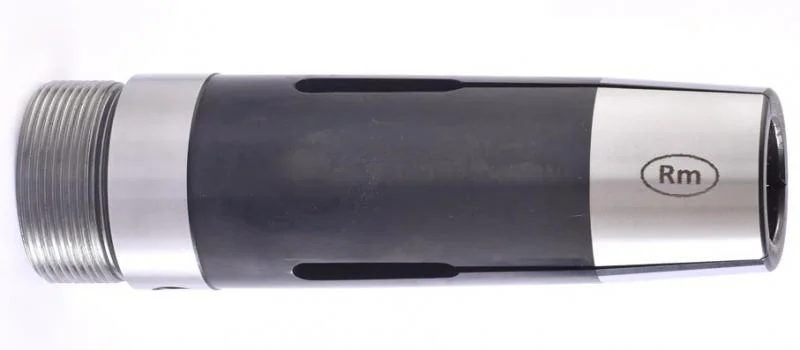
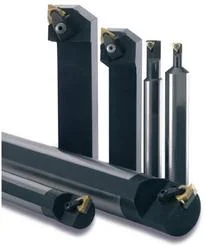
Standard Feed Fingers are engineered components specifically designed for reliable workpiece handling in automated machining environments. These precision tools serve as the critic...
Standard Feed Fingers are engineered components specifically designed for reliable workpiece handling in automated machining environments. These precision tools serve as the critical link between raw materials and finished products, ensuring workpieces move smoothly through various stages of manufacturing processes. Built with durability in mind, they maintain consistent performance even under demanding production schedules, reducing the need for frequent replacements and minimizing unexpected interruptions. Their standardized design allows for easy integration into existing CNC and automated systems, providing manufacturers with a practical solution to enhance their material handling capabilities without requiring extensive system overhauls. By focusing on precise gripping and smooth transfer mechanics, these feed fingers help maintain production flow and support operational consistency across different manufacturing scenarios.

These feed fingers serve vital roles across multiple industrial sectors where precision and reliability are non-negotiable. In metalworking facilities, they handle various components through milling, drilling, and turning operations with consistent accuracy. Automotive manufacturers rely on them for automated part feeding in assembly lines where timing and positioning are critical. Electronics producers utilize them for delicate component handling during circuit board manufacturing and device assembly. Aerospace applications benefit from their precise handling of specialized materials and complex part geometries. Even general manufacturing operations implement these tools to streamline workflows and maintain quality standards throughout production cycles, demonstrating their versatility across different industrial requirements.

The business value of Standard Feed Fingers lies in their ability to enhance operational efficiency while reducing costs associated with downtime and manual handling. Their reliable performance translates to fewer production stoppages and more consistent output quality, directly impacting a facility's bottom line. Manufacturers can expect reduced maintenance requirements and longer service life compared to less durable alternatives, providing better return on investment over time. The standardized design ensures compatibility with various systems, eliminating the need for custom engineering in many applications. This reliability makes them a trusted component in production environments where consistency directly correlates with customer satisfaction and business reputation. By minimizing workpiece handling errors and reducing machine idle time, these feed fingers contribute to overall productivity improvements that support business growth and competitive advantage in manufacturing markets.

Key Features:
- Durable construction using high-quality materials for long-lasting performance in demanding environments.
- Precise gripping mechanism designed for reliable workpiece handling across various sizes and shapes.
- Standardized design ensuring compatibility with most CNC and automated machining systems.
- Smooth transfer capability that minimizes jams and misalignment during operation.
- Versatile application support for different industrial processes and manufacturing requirements.

Benefits:
- Enhanced production efficiency through reliable automated material handling and reduced manual intervention.
- Reduced machine downtime by ensuring consistent workpiece feeding and minimizing operational interruptions.
- Improved workflow consistency with precise part positioning and transfer between manufacturing stages.
- Lower maintenance requirements due to durable construction and reliable performance under continuous use.
- Increased operational reliability that supports consistent output quality and meets production targets.
Specifications
| Additional Information | |
|---|---|
| Country of Origin | India |
| Customisable | No |
Application
Standard Feed Fingers are essential components in modern manufacturing environments where automated material handling is critical. They serve as the reliable interface between workpieces and machining equipment, ensuring components move smoothly through production stages without manual intervention. This automation is vital for maintaining consistent workflow and meeting production targets in facilities that operate around the clock.

These versatile feed fingers find their place across numerous industrial settings that demand precision and repeatability. From initial part loading to final transfer, they handle various workpiece geometries with consistent grip and alignment. Their design supports seamless integration into existing systems, making them a practical upgrade for operations seeking to enhance their automation capabilities and reduce reliance on manual handling processes.

Real-world applications:
- Automated loading and unloading of workpieces in CNC milling and turning centers for continuous operation.
- Precise part positioning and transfer within robotic assembly lines for automotive component manufacturing.
- Feeding systems for high-volume production of precision parts in aerospace and defense industries.
- Material handling in automated inspection stations where consistent part orientation is crucial.
- Component transfer in packaging machinery and automated sorting systems for manufacturing facilities.
Trade Details
| Available Stock | In stock |
| Sample Availability | No |
Payment Terms
| Payment Terms |
|
| Payment Methods |
|
Company Profile

Ramm Precision Products Pvt Ltd, Tamil Nadu Tamil Nadu, India
Tamil Nadu, IndiaConstruction•Manufacturer
Factory Details
Factory SizeBelow 1000 sqm
Standard Feed Fingers for Efficient Workpiece Handling in CNC and Automated Machining Systems
Standard Feed Fingers provide reliable and precise workpiece handling in CNC and automated machining systems, ensuring smooth feeding, reduced downtime, and enhanced production efficiency for manufacturers.
Min. Order Quantity: 1 pieces
Shipping
Shipping fee and delivery date to be negotiated. Contact supplier now for more details.
Ramm Precision Products Pvt Ltd
 Tamil Nadu, India
Tamil Nadu, IndiaConstructionManufacturer