
 IN
INundefined
Similar Products

Description
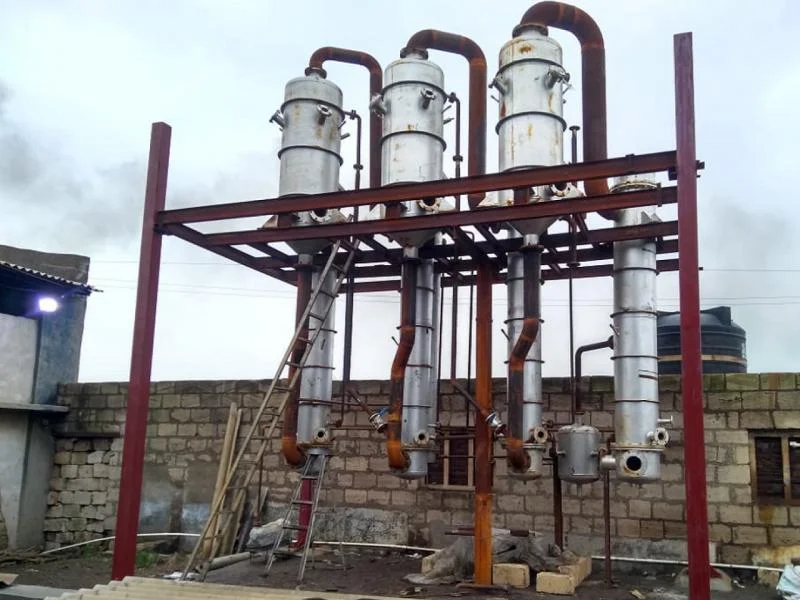
The Caustic Recovery Plant (CRP) is engineered to efficiently recover up to 95% of caustic soda from industrial effluents, specifically targeting textile processing operations. Thi...
The Caustic Recovery Plant (CRP) is engineered to efficiently recover up to 95% of caustic soda from industrial effluents, specifically targeting textile processing operations. This system addresses the challenge of dilute caustic liquor (typically 5-7% concentration) generated during mercerizing processes, which if discharged untreated results in significant chemical loss and increased effluent treatment plant (ETP) loads. By capturing and purifying this valuable chemical, the CRP enables its reuse in production cycles, reducing operational costs while supporting environmental compliance and sustainable manufacturing practices. The technology represents a practical solution for facilities seeking to optimize resource utilization and minimize waste generation.

This recovery system finds primary application in textile manufacturing, particularly in operations involving cotton yarn, bleached or dyed yarn, knit fabrics, and denim production where mercerization is essential. The process enhances fabric properties including strength, dye affinity, and luster, making caustic soda a critical but costly chemical input. Industries beyond textiles that generate similar caustic-containing effluents can also implement this technology to recover valuable chemicals. The system's design accommodates various production scales, from medium-sized mills to large industrial facilities, providing flexibility across different manufacturing environments with caustic soda usage.

Implementing a CRP delivers substantial business value through reduced chemical procurement costs, lower effluent treatment expenses, and decreased environmental compliance burdens. The system's reliability stems from robust engineering that ensures consistent recovery rates and minimal maintenance requirements, providing long-term operational stability. By returning purified caustic soda to production processes, facilities achieve better resource utilization and improved process economics. The technology supports sustainable manufacturing goals while maintaining production quality, making it a strategic investment for forward-thinking operations focused on efficiency and environmental responsibility.

Key Features:
- Recovers up to 95% of caustic soda from textile and industrial effluents
- Specifically designed for mercerizing processes in cotton, yarn, knit, and denim fabrics
- Handles dilute caustic liquor typically at 5-7% concentration levels
- Reduces load on effluent treatment plants (ETP) by minimizing discharge volume
- Engineered for reliable operation with consistent recovery performance

Benefits:
- Significantly reduces chemical procurement costs through caustic soda recovery
- Lowers effluent treatment expenses by decreasing ETP processing requirements
- Supports environmental compliance by minimizing chemical discharge
- Enhances sustainable production practices through resource conservation
- Improves operational efficiency with reliable chemical recovery and reuse
Specifications
| Additional Information | |
|---|---|
| Country of Origin | India |
| Customisable | No |
Application
The CRP system is essential for textile mills handling cotton yarn and fabric mercerization, where it efficiently recovers caustic soda from process effluents. This technology supports operations involving grey, bleached, or dyed yarn as well as knit and denim fabric production, minimizing chemical waste.

Industrial facilities generating dilute caustic liquor effluents benefit significantly from implementing this recovery solution. By capturing and purifying caustic soda, the plant reduces effluent volume sent to treatment systems while enabling chemical reuse in mercerizing processes, promoting sustainable production practices.

Real-world applications:
- Textile mills processing cotton yarn and fabrics for mercerization operations
- Mercerizing facilities handling grey, bleached, or dyed yarn production
- Knit and denim fabric manufacturing plants with caustic soda usage
- Industrial operations generating dilute caustic liquor effluents requiring treatment
- Production systems aiming to minimize chemical consumption and effluent discharge
Trade Details
| Available Stock | In stock |
| Sample Availability | No |
Payment Terms
| Payment Terms |
|
| Payment Methods |
|
Company Profile

Roto Tech Products, Tamil Nadu Tamil Nadu, India
Tamil Nadu, IndiaIndustrial Equipment & Machinery•Manufacturer
Factory Details
Factory SizeBelow 1000 sqm
CRP (Caustic Recovery Plant) for Textile and Industrial Applications
CRP Caustic Recovery Plant recovers up to 95% caustic soda from textile effluents, reducing chemical loss and ETP load for mercerizing processes in cotton, yarn, knit, and denim fabrics.
Min. Order Quantity: 1 pieces
Shipping
Shipping fee and delivery date to be negotiated. Contact supplier now for more details.
Roto Tech Products
 Tamil Nadu, India
Tamil Nadu, IndiaIndustrial Equipment & MachineryManufacturer